What To Wear & Bring On A Cabo Whale Watching Tour
What to wear whale watching in Cabo? Layer smart for wind and sun—see the exact packing list by month, what to skip, and mistakes that ruin tours.
Every whale watching season we see tourists making the same packing mistakes, showing up at the marina in flip-flops that slide dangerously on wet decks, wearing all black in 85-degree April heat, forgetting sunscreen and suffering severe burns by noon, or bringing only t-shirts for chilly 65-degree December mornings then shivering through entire tours. Some visitors pack like they’re moving to Cabo permanently, hauling giant backpacks with no room on boats. Others bring absolutely nothing except their phones, no sun protection, no layers, no seasickness medication, then spend three hours miserable and uncomfortable. The unprepared tourists don’t enjoy whale watching because they’re too cold, too hot, too sunburned, too seasick, or too worried about dropped phones to focus on breaching humpbacks.
At Cabo Whale Tours, we’ve guided thousands of whale watching tours across every month of the season, watching what works and what doesn’t when it comes to clothing, gear, and preparation. This guide covers exactly what to wear and bring for comfortable successful whale watching: essential items everyone needs regardless of season (sunscreen, layers, proper footwear, medications), month-by-month clothing recommendations from December’s cool mornings through April’s heat, camera and electronics protection preventing costly losses overboard, what NOT to bring that causes problems, common packing mistakes to avoid, and specific guidance for families with kids, different tour lengths, and varying weather conditions. Whether you’re visiting next week or planning months ahead, this guide ensures you show up properly prepared to enjoy whale watching instead of suffering through it because of easily preventable clothing and packing mistakes.
Packing gets easier once you know the actual duration and inclusions of the boat you want. Use these product-specific prompts to separate what is supplied from the personal layers, sun protection and camera protection you still need. Compare The Cabo Tour Options Below →
Pack for the current forecast and assigned boat, not a universal Cabo checklist. The biologist trip supplies water and guide photos; the catamaran includes a light meal and domestic bar; the private charter includes food, drinks and snorkel gear; the whale shark day includes gear, wetsuit, life jacket and towels.
Essential Items To Bring On Every Cabo Whale Watching Tour
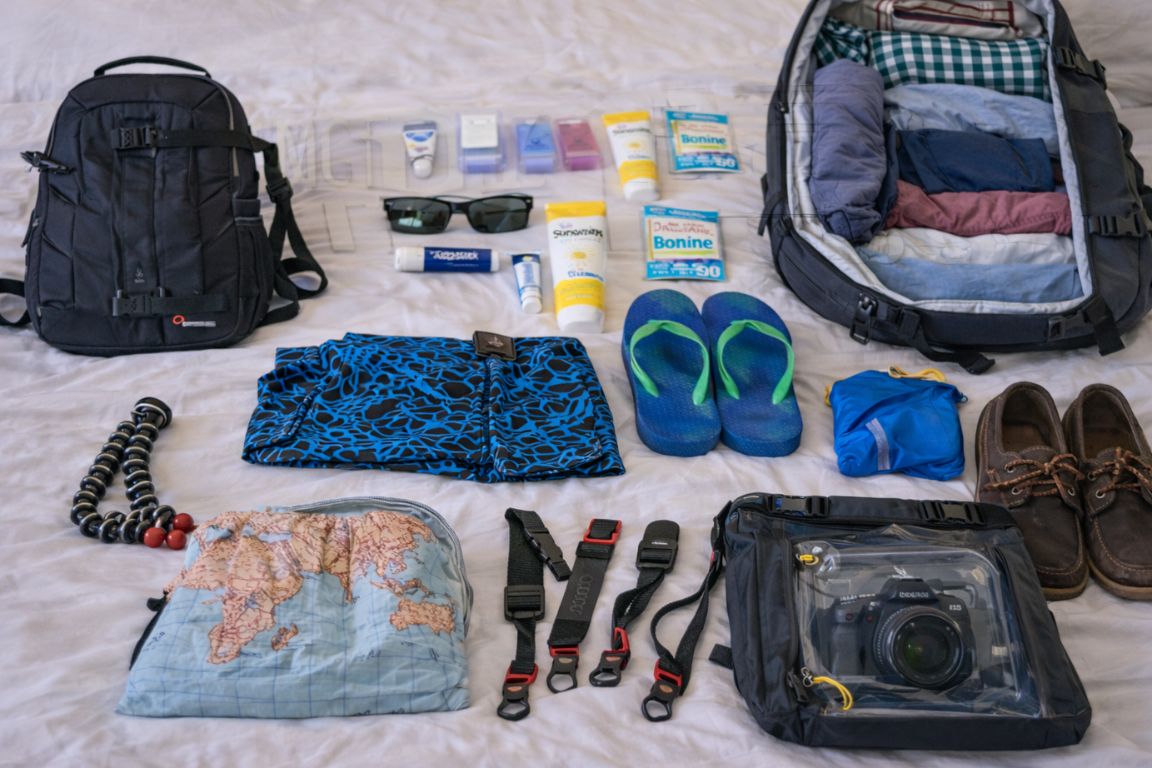
Sunscreen represents the single most critical item for Cabo whale watching, with SPF 50+ being the minimum recommended protection level. The reflection off ocean surfaces intensifies UV rays, effectively doubling sun exposure compared to land-based activities. Apply sunscreen 15-30 minutes before boarding, covering all exposed skin including often-forgotten areas like ears, back of neck, tops of feet, and hands.
Bring sun protection that fits the operator and destination rules for your trip. Ask the operator whether it restricts particular sunscreen ingredients, and use clothing, shade, and a product suited to your own needs.
Reapplication every 90 minutes maintains protection throughout tours. Saltwater spray, sweat, and inadvertent touching all reduce sunscreen effectiveness, requiring consistent reapplication regardless of “waterproof” claims. Bring the bottle on board rather than assuming single pre-tour application suffices.
Sun protection extends beyond sunscreen to physical barriers and accessories preventing UV damage. Hats with chin straps or adjustable cords prevent loss overboard when wind picks up. Wide brims (3+ inches) provide face, ear, and neck protection. Baseball caps cover heads but leave ears and necks exposed, making wide-brim hats superior choices.
Polarized sunglasses reduce glare off water surfaces making whale spotting easier while protecting eyes from UV damage. The polarization cuts reflected light that obscures distant whale spouts. Secure sunglasses with croakies or sports straps preventing loss overboard during excitement when whales breach nearby.
Lip balm with SPF 30+ prevents painful chapped burned lips that ruin post-tour eating and drinking. Lips lack melanin protection and burn easily with reflected sun and wind exposure. Reapply lip balm as frequently as sunscreen, keeping it easily accessible in pockets.
Layers prove essential even during “warm” months because early morning marina temperatures, wind chill from moving boats, and marine layer fog create cooler conditions than expected. December through February mornings start at 65-75°F feeling genuinely cold during 8-9am departures. Wind from boat movement drops perceived temperatures 5-10 degrees below actual air temperature.
Light windbreakers or zip-up hoodies provide perfect outer layers, easily removed and tied around waists when midday sun warms conditions. Long-sleeve UV protection shirts serve dual purposes as both sun protection and light layers.
Avoid cotton layers when temperatures might be cool, as cotton absorbs moisture from spray or sweat and stays cold and clammy against skin. Synthetic moisture-wicking fabrics or merino wool dry quickly and maintain warmth even when damp.
A cool or windy morning can feel colder on a moving boat. Check the current forecast and bring a removable layer rather than relying on an anecdotal temperature example.
If you are considering motion-sickness medicine, read the label and ask a pharmacist or clinician which product and timing fit your age, health, pregnancy status, and other medicines. Do not use this article as individualized dosing advice.
Carry only medicines you can use as directed. Do not increase a dose or combine products based on this article; ask a pharmacist or clinician before the trip.
Personal medications including inhalers, EpiPens, insulin, and any prescription medications you might need during 2-3 hours away from hotels should come on boats. Tour boats aren’t stocked with personal medications.
Small backpack or bag organizes essential items keeping them together, protected, and easily accessible. Small daypacks or beach bags work perfectly, holding sunscreen, layers, cameras, medications, snacks, and water without taking excessive boat space. Avoid huge backpacks that don’t fit under seats or in limited storage areas.
Waterproof dry bags provide extra protection for electronics, medications, and items you cannot afford to get wet. The 10-20 liter size bags hold phones, wallets, and cameras while fitting easily under boat seats. They guard against splashing waves, spray from whale tail slaps, and occasional rogue waves.
Organize bags strategically with items you’ll need during tours (sunscreen, lip balm, phone) easily accessible in outer pockets, while items you won’t need until later stay buried deeper.
Planning your first whale watching trip? This guide on how to plan your visit to Cabo whale tours covers all the stuff most people don’t think about until it’s too late.
| Category | Pack or wear | Confirm |
|---|---|---|
| Sun and weather | Sun protection, hat with retainer, removable layer | Current forecast and operator sunscreen rules |
| Footing | Secure shoes with useful grip | Assigned vessel guidance |
| Personal items | Closed bag and protected phone or camera | Storage and spray exposure |
| Health | Regular medicines as directed | Individual motion-sickness advice from a pharmacist or clinician |
What To Wear On Cabo Whale Watching Tours By Month
Wear layers for December-February cool mornings (65-75°F), lighter clothing for warming March (72-82°F), minimal layers with maximum sun protection for hot April (75-88°F). Always bring sun protection regardless of month including hat, sunglasses, and sunscreen. Closed-toe shoes with grip are essential year-round.
December-February clothing requires genuine layers for cool mornings that feel colder than temperatures suggest. Early morning 8-9am departures at 65-72°F combined with 10-15mph wind from boat movement create perceived temperatures 10 degrees cooler. Start with long pants or jeans rather than shorts, as bare legs get cold quickly in wind. Capri pants work for moderate cold tolerance.
Bottom layer should be t-shirt or tank top allowing you to shed outer layers as conditions warm mid-tour. Middle layer adds long-sleeve shirt, light sweater, or hoodie providing insulation without bulk. Outer layer needs windbreaker, light jacket, or zip-up hoodie blocking wind while remaining easy to remove and tie around waist.
By 10-11am most passengers remove outer layers as sun warms conditions. The layering system lets you adjust throughout the tour rather than suffering through cold mornings or overheating at midday. January specifically can feel quite cold at 8:30am with temperatures at 65-68°F and wind chill dropping perceived temperature to 55-60°F.
Cold-sensitive visitors should bring light gloves for January mornings, though most people don’t need them. Scarves or neck gaiters help but aren’t essential. The key is having enough layers to stay comfortable during the first hour when conditions feel coldest.
March clothing transitions to lighter layers as temperatures warm to 72-82°F. Mornings still need light coverage with long-sleeve UV shirt or thin hoodie, but heavy windbreakers become overkill. Start with shorts or lightweight pants, as March rarely feels cold enough for jeans unless you’re extremely cold-sensitive.
The bottom layer can be t-shirt or tank top, with a single light long-sleeve layer sufficient for most people. By mid-March, many visitors wear just t-shirts and shorts with a light jacket brought but never worn. The warming creates sun protection priorities over cold protection.
March weather varies between cooler early month conditions similar to February and warmer late March approaching April heat. Check specific forecast for your travel dates, as early March might need February-style layers while late March requires April-style lighter clothing.
April clothing shifts to heat management with temperatures reaching 75-88°F. Lightweight breathable clothing becomes essential rather than layering for warmth. Shorts and t-shirts or tank tops form the base, with a light long-sleeve UV shirt or thin windbreaker for boat wind during travel but removed once stationary with whales.
Light-colored clothing reflects sun better than dark colors, reducing heat absorption during extended sun exposure. White, tan, and light blue clothing stays cooler than black or dark colors. Moisture-wicking synthetic fabrics help manage sweat in April heat, keeping you more comfortable than cotton.
Maximum sun protection matters more in April than cooler months, as the intense sun combined with longer days and higher UV index creates severe burn risk. Wide-brim hats, UV protection clothing, and frequent sunscreen reapplication become critical rather than optional.
Late April specifically can feel genuinely hot at 85-90°F by midday, making heat management and hydration priorities. Bring extra water bottles, wear minimal lightweight clothing, and consider neck cooling towels or small handheld fans for heat-sensitive visitors.
Footwear must be closed-toe shoes with good grip regardless of season or personal preference. Flip-flops create serious safety hazards on boats with wet decks that become slippery from spray, waves washing over sides, or cleaning water. Flip-flops slide easily, provide no ankle support on moving boats, and fly off overboard when wind catches them.
Boat shoes with non-marking rubber soles designed specifically for marine use provide optimal grip, water resistance, and comfort. The non-marking soles don’t leave scuff marks on boat decks, while the siped rubber provides excellent wet surface traction. Classic Sperry or Sebago boat shoes work perfectly.
Athletic sneakers or running shoes work well if you don’t own boat shoes, as long as they have good tread and fit securely. Avoid brand-new shoes that might cause blisters during extended wear. Well-broken-in sneakers provide adequate grip and comfort for whale watching.
Water shoes with closed toes and good grip work acceptably, particularly for people planning post-tour beach or water activities. The quick-dry properties and secure fit make them functional whale watching footwear, though less comfortable than proper boat shoes or sneakers for extended wear.
Avoid entirely: flip-flops, sandals without back straps, heels, dress shoes, new uncomfortable shoes, or going barefoot. The safety and comfort priorities outweigh fashion considerations on whale watching boats.
Swimwear considerations depend on post-tour plans and personal comfort preferences. If planning beach time or hotel pool after whale watching, wear swimsuit under clothes eliminating hotel return for changing. The layered approach works well with board shorts or swim trunks under pants, or one-piece suits under shirts.
Bringing swimwear separately in a waterproof bag makes sense for combo tours including snorkeling or beach stops, allowing you to change on boat if facilities permit or at beach locations. Most standard whale watching tours don’t include swimming opportunities, making swimwear unnecessary unless planning separate beach activities afterward.
Women should avoid bikini tops as sole upper layer, as they provide inadequate sun protection and create comfort issues during boat movement and wind. Tankinis, one-pieces under UV shirts, or rash guards over bikinis work better for marine activities.
| Travel period | Starting point | Final check |
|---|---|---|
| December-February | Bring a removable warm or wind layer. | Current departure-time forecast |
| March-April | Use lighter layers but keep wind and sun protection. | Current heat, wind and shade conditions |
| Any date | Choose clothing you can add or remove. | Operator’s latest trip instructions |
Sunscreen And Sun Protection For Cabo Whale Watching
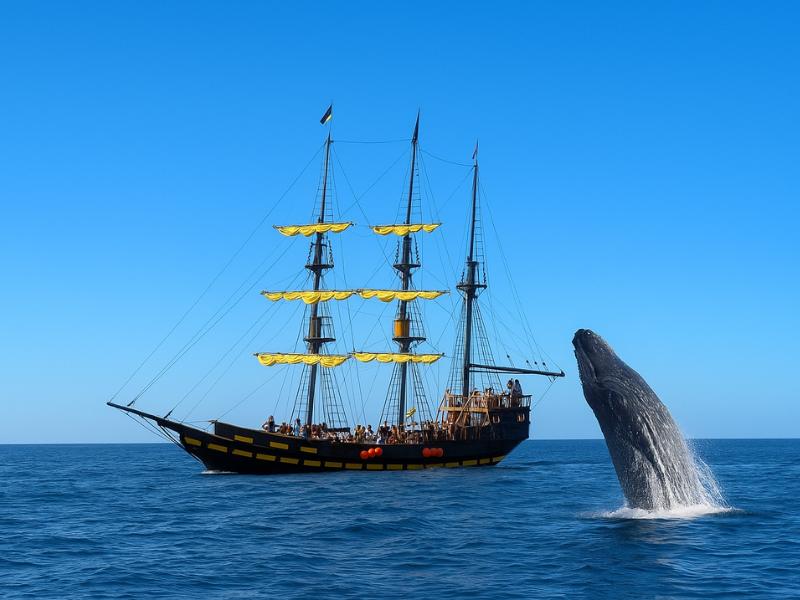
Sunscreen rules vary by operator and protected area. Check the current trip instructions before boarding and consider protective clothing, a hat, and shade alongside sunscreen.
Reef-safe sunscreens use mineral-based active ingredients like zinc oxide or titanium dioxide instead of chemical filters. These minerals sit on skin surface reflecting UV rays rather than absorbing into skin and washing off into ocean water. Brands meeting reef-safe standards include Stream2Sea, Raw Elements, Badger, ThinkSport, and Blue Lizard. The bottles clearly state “reef-safe,” “reef-friendly,” or list only mineral active ingredients.
The reef-safe requirement matters because Cabo’s marine ecosystems support not just whales but entire food chains from plankton through fish to marine mammals. Chemical sunscreens washing off thousands of tourists weekly accumulate in waters, damaging coral reefs that thousands of species depend on. Using reef-safe formulations protects the environment you’re paying to experience.
Sun exposure can be strong on open water. Use suitable sun protection and follow current operator or protected-area instructions without relying on an unverified medical anecdote.
Additional sun protection through clothing and accessories supplements sunscreen providing comprehensive UV defense. Rash guards or UV protection shirts with UPF 50+ ratings block 98% of UV rays while remaining lightweight and comfortable even when wet. Long-sleeve rash guards protect arms that people often under-sunscreen, and the synthetic fabrics dry quickly when splashed by waves or whale tail slaps.
Wide-brim hats with 3+ inch brims protect face, ears, and neck from direct sun while secured chin straps prevent loss overboard. Baseball caps protect scalp but leave ears and neck exposed, making them inadequate for extended marine sun exposure. Bucket hats, sun hats with neck flaps, or wide-brim fishing hats provide superior coverage.
Polarized sunglasses serve dual purposes blocking UV damage to eyes while reducing water glare that makes whale spotting difficult. The polarization cuts reflected light off water surface, letting you see whale shapes underwater before they surface and spotting distant spouts more easily. Secure sunglasses with croakies or sports straps, as excitement when whales breach nearby causes many people to drop or lose glasses overboard.
UV protection buffs or neck gaiters cover neck and can be pulled up over face for additional protection during peak sun exposure. The lightweight breathable fabric doesn’t overheat while providing excellent UV blocking.
Lip protection gets forgotten by most people despite lips being extremely vulnerable to sun damage. Lips lack melanin providing natural UV protection, making them burn easily and severely. Wind exposure on boats dries lips, while salt spray irritates them, creating perfect conditions for painful chapped burned lips.
Lip balm with SPF 30+ minimum prevents damage, but requires reapplication every 60-90 minutes throughout the tour. Keep lip balm in pocket for easy access rather than buried in bags, making frequent reapplication convenient. Most people apply sunscreen to body multiple times but forget lips entirely, then suffer painful consequences.
Severely burned lips crack, bleed, and make eating, drinking, and talking painful for days after tours. The discomfort ruins remaining vacation days, making $4 SPF lip balm one of the highest-value items you can bring.
Face vs body sunscreen serves different needs due to facial skin sensitivity and different formulation requirements. Face sunscreen uses lighter non-comedogenic formulations that don’t clog pores, cause breakouts, or feel greasy on facial skin. The lighter texture works better under makeup and doesn’t run into eyes causing stinging when you sweat.
Body sunscreen uses heavier formulations providing robust protection for less sensitive skin on arms, legs, and torso. The thicker consistency spreads easily over large surface areas and stays put during activity and sweating. Using body sunscreen on face often causes breakouts, oily feeling, and eye irritation.
Separate face and body sunscreens optimize protection and comfort for different skin areas. Apply face sunscreen to face, ears, and neck. Use body sunscreen on arms, legs, chest, and back. The dual approach prevents the common mistake of using too little sunscreen because heavy body formulations feel uncomfortable on face.
Facial skin also needs more frequent reapplication since you touch your face more often, wipe sweat, and experience more exposure at the front of your body facing forward on boats.
Best Footwear For Whale Watching Boats
Boat shoe advantages make them the optimal footwear choice for whale watching with features specifically designed for marine environments. Non-marking rubber soles with siped (razor-cut) tread patterns provide excellent grip on wet fiberglass and wood decks, preventing slipping that causes injuries. The siping creates small channels squeezing water out from under soles, maintaining traction even on soaked surfaces. Water-resistant leather or synthetic uppers shed splashing waves and spray without absorbing water, drying quickly and keeping feet comfortable.
The low-profile design without thick cushioning keeps your center of gravity low, improving stability on moving boats while providing adequate support for standing during 2-3 hour tours. Brands like Sperry, Sebago, and Helly Hansen specialize in proper boat shoes designed for exactly this use. The non-marking sole quality prevents dark scuff marks on boat decks that black-soled sneakers leave, keeping operators happy.
Sneakers that work include athletic shoes and running shoes with good tread patterns providing adequate wet surface grip. Look for deep lugs or aggressive tread designs rather than flat smooth soles that slide easily on wet surfaces. Well-broken-in sneakers prevent blisters during extended standing and movement, making comfortable worn-in shoes better choices than brand-new sneakers that cause friction and hot spots.
Athletic shoes with mesh uppers dry faster than solid synthetic or leather when splashed, improving comfort during tours. Running shoes, trail runners, and cross-trainers work well with their varied tread patterns designed for outdoor traction. Avoid basketball shoes or indoor court shoes with flat rubber soles that don’t grip wet boat decks well.
Water shoes make sense for combination tours including snorkeling or beach stops after whale watching, eliminating the need to carry multiple shoe pairs. Closed-toe water shoes with substantial soles and secure fit work acceptably for whale watching, though grip varies by model with better water shoes providing adequate traction while cheaper versions slide dangerously on wet decks.
The minimal cushioning and support in most water shoes creates comfort issues during extended standing compared to proper boat shoes or athletic sneakers. Water shoes work best for travelers planning water activities beyond just whale watching, prioritizing versatility over optimal whale watching performance.
Sandals with straps including sport sandals like Tevas or Chacos represent marginal improvements over flip-flops but remain suboptimal for whale watching. The back and ankle straps prevent sandals flying off when wind catches them, and the secure fit improves stability. However, the open design still leaves toes exposed to stubbing on boat equipment, dropping heavy items on feet, or getting stepped on in crowded conditions.
Sport sandals with aggressive tread patterns provide adequate grip on wet surfaces, making them safer than flip-flops for traction. Sandals work acceptably in warm April weather for heat-tolerant visitors prioritizing foot cooling over optimal safety, but closed-toe shoes remain superior choices in cooler months or for safety-conscious travelers.
| Footwear | Useful traits | Avoid when |
|---|---|---|
| Boat shoe or sneaker | Secure fit and useful wet-surface grip | Sole is worn smooth or shoe slips off |
| Closed sandal | Secure straps and good traction | Operator requires closed toes or footing is uncertain |
| Loose sandal or flip-flop | Easy for shore use | It cannot stay secure on a moving, wet deck |
| Bare feet or dress shoes | None assumed | Crew or vessel rules make them unsuitable |
Camera And Photography Equipment For Whale Watching
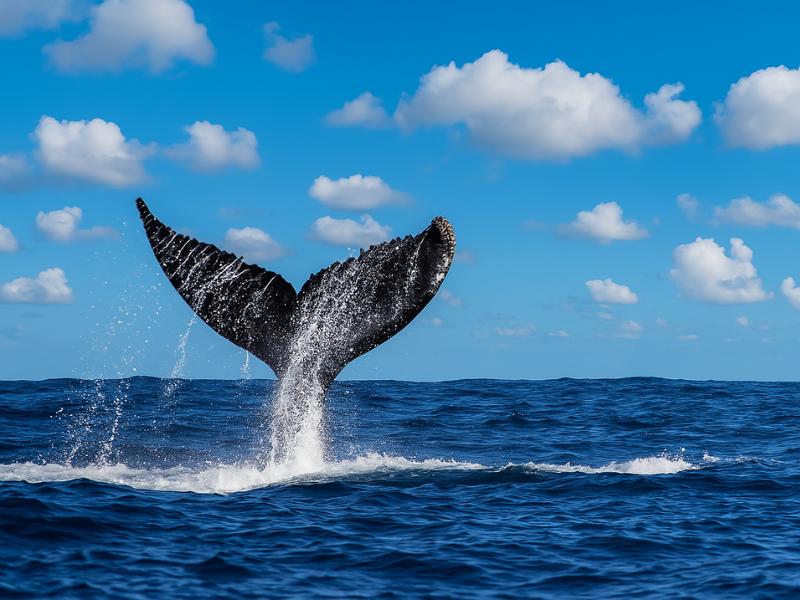
Phone photography works perfectly well for most whale watching visitors, capturing excellent photos and videos of breaching whales, whale spouts, and group memories without hauling expensive camera gear. Modern smartphone cameras handle challenging marine lighting conditions well, with features like burst mode capturing multiple frames per second essential for fast-moving whale breaches. The portability and simplicity let you focus on experiencing whales rather than fiddling with camera settings while spectacular moments happen.
Waterproof cases are absolutely essential for phones on whale watching boats, protecting from splashing waves, spray from whale tail slaps landing nearby, and accidental drops into water-filled boat deck areas. Basic waterproof pouches cost $10-20 and seal phones in clear plastic allowing touchscreen use and photography through the case material. Higher-quality cases like Lifeproof or OtterBox provide robust protection while maintaining full phone functionality. Wrist straps or lanyards attached to waterproof cases prevent losing phones overboard during excitement when whales surface unexpectedly close.
Camera equipment for serious photographers should include DSLR or mirrorless camera bodies with weather-sealing protecting against salt spray, telephoto zoom lenses in the 100-400mm range capturing whales at distance, and fast shutter speeds (1/1000 second minimum) freezing breaching whale action. Bring only gear you can afford to replace if lost overboard or damaged by saltwater, as marine environments create real risks to expensive equipment despite protective measures.
A versatile zoom lens like 100-400mm or 150-600mm handles the variable distances as whales surface closer or farther from boats, eliminating lens changes that risk dropping gear or getting salt spray inside camera bodies. Prime telephoto lenses deliver superior image quality but lack the flexibility needed when whales breach at unpredictable distances. Wide-angle lenses (24-70mm) work for group shots with whale spouts or tails in background, but telephoto capability matters most for actual whale photography. Bring both if you have a second camera body, but prioritize telephoto for whale-focused shooting.
Waterproof cases and bags protect photography gear from the harsh marine environment where salt spray corrodes electronics, splashing waves soak equipment, and humidity damages sensitive camera internals. Pelican cases provide bombproof protection for camera bodies and lenses during transport and storage on boats, with foam inserts preventing gear shifting and impacts. The hard cases also float briefly if dropped overboard, giving seconds to retrieve expensive equipment.
Dry bags in the 20-30 liter range hold cameras with attached lenses, extra lenses, batteries, and accessories while remaining boat-friendly size. The roll-top waterproof design keeps contents completely dry even if waves wash over bags. Keep cameras in dry bags between shooting, only removing them when whales appear or photo opportunities arise. Clear waterproof camera housing bags let you shoot through protective material when conditions are wet but you need equipment ready instantly.
Lens considerations depend on shooting goals and whale behavior patterns. Telephoto lenses in the 200-600mm range capture frame-filling whale breaches, detailed shots of whale eyes and barnacles, and distant whales before they dive. The longer reach lets you photograph whales at legal 100+ foot distances still looking impressively large in frame. Image stabilization becomes critical at long focal lengths on moving boats, helping counteract boat movement that blurs images.
Wide-angle lenses (16-35mm or 24-70mm) work for environmental shots showing whales with Cabo coastline, group photos with whale activity in background, and captures showing scale of whale watching experience. The versatility of 24-70mm or 24-105mm makes them excellent second lenses, though most whale action requires telephoto reach. Bring wide-angle if you have space and multiple bodies, but prioritize telephoto for actual whale photography.
Memory cards and batteries run out faster than expected during whale watching excitement when you’re shooting burst mode capturing 10-20 frames per whale breach. Bring multiple high-capacity memory cards (64GB minimum, 128GB better) ensuring you don’t fill cards mid-tour when whales are most active. Fast write-speed cards (UHS-II or faster) prevent buffer filling that stops you from shooting during spectacular moments.
Extra camera batteries matter critically, as cold marine air, continuous shooting, and reviewing images drain batteries faster than typical shooting conditions. Bring at least two fully-charged spare batteries per camera body. Portable power banks (10,000+ mAh capacity) keep phones and USB-rechargeable camera batteries topped up during extended tours. The $30 power bank investment prevents missing the trip’s best whale breach because your phone died at 60% battery.
Straps and tethers prevent the heartbreaking expensive disaster of dropping cameras or phones overboard when boats rock unexpectedly or you stumble during excitement as whales surface. Neck straps keep cameras immediately accessible while distributing weight comfortably, but can swing and bang against boat railings or other passengers in crowded conditions. Wrist straps provide security without the swinging issues, though less comfortable for extended carrying.
Peak Design Capture Clips attach cameras to backpack straps or belts, keeping them secured yet instantly accessible without neck strain or swinging problems. The quick-release mechanism lets you shoot immediately when whales appear without fumbling with bags. Tether phones and cameras to boat railings, your bag, or yourself using coiled phone leashes, preventing the all-too-common scenario where excitement causes dropped equipment that sinks to ocean bottom in seconds. The $10 wrist strap is the best insurance you can buy for $1,000+ camera setups.
Seasickness Prevention: What To Bring And Take
If motion sickness is a concern, ask a pharmacist or clinician which option and timing suit you, then follow the medicine label. Comfort items such as ginger products or wristbands are personal choices, not guaranteed remedies.
Motion-sickness medicines differ in ingredients, duration, side effects, and suitability. Ask a pharmacist or clinician which option and timing are appropriate for you, then follow the product label.
For a two- to three-hour tour or a longer charter, follow the label and advice from a pharmacist or clinician. Do not choose or time a medicine from the tour duration alone.
If you have a history of severe motion sickness, discuss the trip with a clinician before travel. Prescription treatment requires individual medical advice and advance planning.
Side effects include dry mouth, drowsiness, blurred vision, and dizziness, making scopolamine appropriate only for people who genuinely need it due to severe seasickness rather than mild concerns. The patch costs more than over-the-counter options but delivers unmatched protection for truly prone individuals. Apply the patch the evening before your tour or at least 4 hours before departure for full effectiveness.
Evidence and individual response vary for ginger and other nonprescription comfort products. Do not treat them as a substitute for individual medical advice.
Acupressure wristbands may be a personal comfort option, but effectiveness varies and this guide does not assign a success rate.
Bring your regular personal medicines as directed and keep them dry and accessible. Ask a pharmacist or clinician before adding or repeating a motion-sickness medicine; do not assume the tour provides it.
Keep personal medicines in their original packaging and follow the label or clinician’s instructions. Do not take an extra dose because a tour runs longer than expected.
Before you book, you might want to know is whale watching in Cabo safe – especially if you’re prone to seasickness or have mobility concerns.
Do not increase or repeat a motion-sickness medicine beyond its label or your clinician’s instructions. If symptoms or side effects are a concern, ask a pharmacist or clinician before the trip and choose a booking with terms that work for you.
A private booking may make communication with the crew easier, but an early return is not guaranteed. Ask the operator about route changes, early-return policy, and the assigned vessel before paying.
| If motion sickness is a concern | Next step |
|---|---|
| Before travel | Ask a pharmacist or clinician which option is appropriate for you. |
| When using a medicine | Follow the label and individual medical advice. |
| For children, pregnancy or other conditions | Get individual professional advice before the trip. |
| If conditions concern you | Review the operator’s cancellation and early-return terms. |
Cold Weather Whale Watching (December-February)
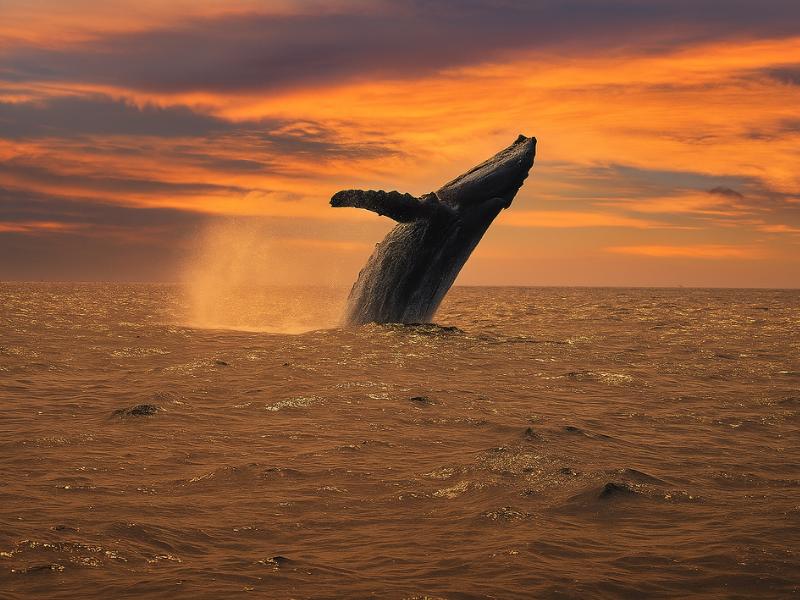
Morning chill factor at 8am departures during December-February feels significantly colder than the 65-75°F temperature readings suggest, especially for visitors arriving from warm climates. The combination of cool air temperature, 10-15mph wind from boat movement, and marine layer fog creates perceived temperatures 10-15 degrees below actual readings. An 8:30am departure at 68°F actual temperature feels like 55-58°F once the boat starts moving, catching unprepared visitors off guard.
The wind chill intensifies as boats travel at 15-25 knots to reach whale areas, creating constant wind exposure for 15-30 minutes during transit. Standing still on the marina dock feels moderately cool, but moving boats generate wind that penetrates light clothing and chills exposed skin quickly. January mornings specifically can feel genuinely cold at 65-68°F with wind chill, requiring real layering rather than token light jackets.
What to wear starts with long pants or jeans as bottom layer rather than shorts that leave legs exposed to cold wind. Bare legs get cold remarkably fast in December-February morning conditions, with most visitors regretting shorts within 20 minutes of departure. Jeans, khakis, or travel pants provide adequate warmth without overheating once midday sun appears. Cold-sensitive visitors should consider lightweight long underwear or leggings under pants for January mornings.
Long-sleeve shirts or light sweaters form the middle layer, providing insulation without bulk that makes movement difficult. Hoodies work well as middle layers, offering hood protection for heads and ears when wind picks up. Windbreakers or light jackets as outer layers block wind while remaining easy to remove and tie around waists once conditions warm by 10-11am. Avoid heavy winter coats that cause overheating once sun comes out, instead focusing on multiple lighter layers providing flexibility.
Hand warmth becomes concern for very cold-sensitive people during January mornings when temperatures drop to 65-68°F and wind chill makes hands feel frozen. Light gloves or fingerless gloves provide adequate warmth for the first hour of tours when conditions feel coldest, then get removed and stuffed in pockets once sun warms conditions. Most visitors don’t need gloves, but those with poor circulation or extreme cold sensitivity appreciate having them available.
Hands holding cold metal boat railings lose warmth quickly, making gloves useful specifically for rail-gripping during whale watching. Thin synthetic gloves work better than bulky winter gloves, allowing camera operation and phone use without removing them constantly. Bring gloves in jacket pockets even if you don’t expect to need them, as insurance against colder-than-expected morning conditions.
What locals wear provides practical guidance from people experiencing Cabo whale watching conditions daily year-round. Local guides and crew typically wear jeans or long pants, long-sleeve t-shirts or fishing shirts, and light zip-up hoodies or windbreakers during December-February mornings. The hoodie gets removed by mid-morning once sun warms conditions, but stays essential for cool departure periods.
Locals rarely wear heavy jackets or winter coats even during “cold” January mornings, knowing conditions warm quickly once sun appears. The layering approach with easily removable outer layers prevents the common tourist mistake of overdressing then overheating mid-tour with nowhere to store bulky jackets. If local guides are wearing windbreakers and hoodies, that’s appropriate gear level for December-February whale watching.
We’ve put together a complete Cabo whale watching season calendar so you know exactly when to book based on whale activity.
Warm Weather Whale Watching (March-April)
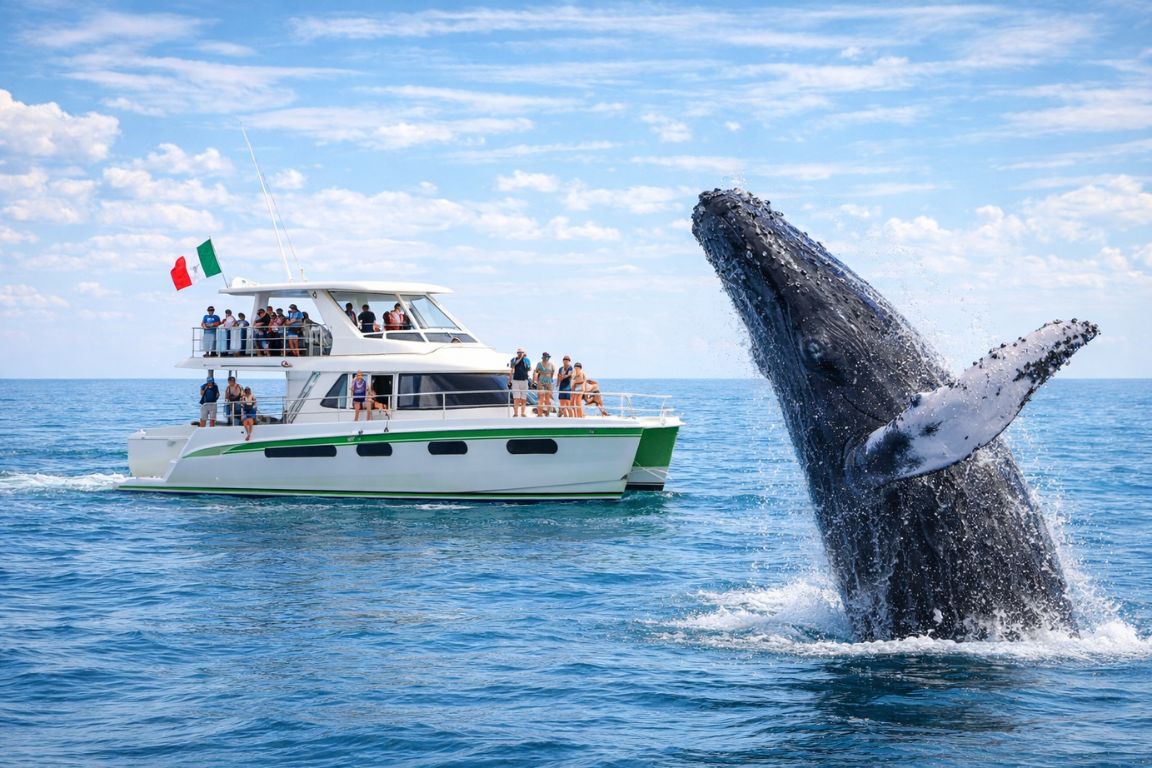 Heat management becomes the primary concern during March and especially April whale watching when temperatures reach 75-88°F and direct sun exposure creates genuinely hot conditions. April specifically can feel oppressively warm by late morning at 85-90°F, making heat mitigation strategies essential for comfortable whale watching rather than optional upgrades. The lack of shade on most boats means extended full sun exposure for 2-3 hours, creating significant heat stress without proper preparation.
Staying cool requires strategic clothing choices, frequent hydration, cooling accessories, and seeking whatever limited shade boats offer during breaks in whale activity. Heat-sensitive visitors should seriously consider booking earlier 7-8am departure tours during April rather than 9-10am standard times, as the hour difference significantly impacts heat exposure. Late April specifically represents the hottest whale watching conditions of the entire season, requiring maximum heat management preparation.
Light clothing in breathable moisture-wicking fabrics helps regulate body temperature in warm conditions far better than cotton that absorbs sweat and stays damp against skin. Synthetic athletic fabrics, merino wool blends, and specialized UV protection clothing dry quickly and pull moisture away from skin, keeping you cooler than cotton t-shirts. The lightweight breathable materials also allow air circulation rather than trapping heat against your body.
Light-colored clothing in white, tan, light blue, or pale colors reflects sun rather than absorbing it like dark colors. A white or light gray shirt stays noticeably cooler than black or navy clothing in direct sun, making color choice practical rather than just aesthetic. UV protection clothing with UPF 50+ ratings provides sun blocking while remaining lightweight and comfortable, serving dual purposes of cooling and protection. Long-sleeve UV shirts seem counterintuitive in heat but actually keep you cooler and more protected than tank tops exposing maximum skin to burning sun.
Sun protection intensifies during March-April as higher UV index, longer days, and more intense sun create severe burn risk in shorter exposure times than cooler months. The same 2.5 hour tour that might cause mild sunburn in January creates serious burns in April without aggressive sun protection. Apply SPF 50+ sunscreen before boarding, reapply every 60-75 minutes in April heat versus 90 minutes in cooler months, and cover all exposed skin including often-forgotten ears, backs of hands, and tops of feet.
Wide-brim hats become essential rather than optional in April heat, providing critical face and neck shade during extended sun exposure. Polarized sunglasses protect eyes from intense glare off water that increases significantly in bright April conditions. Lip balm with SPF 30+ requires more frequent reapplication in April’s dry heat and wind that chap lips quickly. The combination of heat, reflection off water, and extended exposure makes April the highest sun damage risk month of whale season.
Hydration critical importance increases dramatically in March-April warmth when sweat losses accelerate and dehydration develops faster than cooler winter months. Bring your own water bottles beyond what tours provide, as the provided water might not suffice for high hydration needs in 85°F heat. A 32-ounce water bottle per person represents minimum for 2-3 hour April tours, with 48-64 ounces better for heat-sensitive people or those who sweat heavily.
Recognizing dehydration symptoms includes headache, dizziness, dry mouth, reduced sweating despite heat, dark urine, and fatigue. Many people mistake seasickness symptoms for dehydration or vice versa, though dehydration can trigger nausea similar to motion sickness. Drink water consistently throughout tours rather than waiting until feeling thirsty, as thirst indicates you’re already becoming dehydrated. Avoid excessive alcohol consumption the night before April whale watching, as hangovers combined with heat and dehydration create miserable conditions.
Cooling accessories provide active heat relief beyond passive strategies like light clothing and shade. Neck cooling towels soaked in water then wrung out create evaporative cooling around neck where major blood vessels run close to skin surface, effectively cooling your entire body. The towels cost $8-15, weigh nothing, and provide significant relief during hot tours. Re-wet them periodically throughout tours to maintain cooling effect.
Small handheld battery-powered misting fans combine breeze with fine water spray for cooling, though they require storage space and battery power. Cooling bandanas with polymer crystals absorb water then provide hours of cooling through evaporation. Small ice packs wrapped in light cloth and placed on neck or wrists cool blood before it circulates through body, though ice from hotel usually melts within first hour on boats.
Still need light layer even during warm March and hot April because early morning departures and wind from boat movement create cooling effects requiring some coverage. A thin long-sleeve UV shirt or lightweight windbreaker provides protection from cool start and boat wind without causing overheating once stationary with whales. The layer stays useful for the first 30-45 minutes then gets removed and tied around waist or stuffed in bag.
March mornings starting at 72-75°F feel pleasant at marina but cool quickly once boats generate wind during transit to whale areas. April mornings at 75-78°F rarely need layers beyond UV shirts, but the lightest windbreaker or hoodie provides insurance against cooler-than-expected starts or unusually windy conditions. The layer serves more as wind block than warmth provision, with emphasis on lightweight easy-to-remove options that don’t burden you once conditions warm.
Not all months are equal for whale watching. Our guide to the best time to see whales in Cabo shows you peak season versus the shoulder months.
Packing For Different Tour Lengths
2-3 hour standard tours require only essential items fitting in small backpack or beach bag without overloading limited boat storage space. The packing list includes sunscreen SPF 50+ reef-safe with one mid-tour reapplication, light jacket or windbreaker for cool starts, hat with strap and polarized sunglasses with strap, phone in waterproof case with wrist strap, and Dramamine taken 45-60 minutes before departure. Add small water bottle or refillable bottle even though tours provide water, lip balm SPF 30+, and small amount of cash for tips.
Optional additions for 2-3 hour tours include camera if you’re serious about photography (with waterproof protection and strap), light snacks like granola bars if you have specific dietary needs or get hungry easily, and small towel for wiping spray off face or drying hands. Avoid overpacking for standard tours, as limited boat space and short duration make extensive gear unnecessary and burdensome. The essentials fit easily in daypack or small beach bag stored under seat.
4-6 hour extended tours require additional provisions beyond standard tour essentials due to longer sun exposure, increased hunger and thirst needs, and more varied conditions throughout extended time. Pack everything from standard tour list plus extra sunscreen bottle for multiple reapplications, substantial snacks or light meal like sandwiches rather than just granola bars, extra water bottle beyond tour-provided beverages, and change of shirt if you sweat heavily or want fresh dry clothing mid-tour.
Additional considerations for extended tours include extra phone battery or portable power bank preventing dead phones during long tours, additional Dramamine doses in case first dose wears off during 5-6 hour tours, more comprehensive first aid items like pain relievers and band-aids, and small book or entertainment for any downtime between whale encounters or during lunch breaks on combination tours. The longer duration means more opportunities for discomfort if under-prepared.
I’ve tested and compared the best Cabo whale watching tours to help you find one that matches your budget and what you want from the experience.
All-day combination tours lasting 6-8+ hours and including activities like whale watching, snorkeling, beach stops, and meals require comprehensive packing approaching full beach day preparation. Bring everything from extended tour list plus swimsuit (worn under clothes or packed separately), snorkel gear if not provided by tour, beach towel for swimming or beach stops, and complete change of clothes for post-swimming comfort. Waterproof dry bag becomes essential rather than optional for protecting phones, wallets, and dry clothes.
Food and hydration needs intensify for all-day tours even when meals are provided, as you need snacks between provided meals and significantly more water throughout 6-8 hour sun exposure. Bring multiple water bottles, diverse snacks including protein and not just sugary items, and potentially electrolyte tablets or sports drinks preventing dehydration beyond water alone. The comprehensive packing means larger bags, so verify tour operators accommodate bigger packs or provide storage.
Private-charter storage and bring-aboard rules depend on the assigned vessel. Confirm bag size, cooler policy, food and drink rules, storage, and child equipment with the operator before packing.
The storage flexibility doesn’t mean overpacking unnecessarily, but allows bringing nice-to-have items that group tour space limitations exclude. Pack quality snacks and beverages you prefer rather than relying on tour-provided basics, bring entertainment options for downtime, include extra towels and dry clothes, and don’t stress about bag size fitting under seats. The private charter environment supports enhanced comfort through better provisioning.
If you prefer a more personal experience, here are the private Cabo whale watching charter experiences that give you way more control over the trip.
| Product | Verified inclusions relevant to packing | Still confirm or bring |
|---|---|---|
| Biologist small group | Water and restroom | Sun protection, layers, secure footwear, personal items |
| Catamaran | Light meal and domestic bar | Pickup arranged 48 hours ahead; personal sun/weather items |
| Private charter | Food, drinks, snorkel gear, paddleboard | Assigned-vessel storage, access, towel and clothing needs |
| Whale-shark day | Gear, wetsuit, life jacket, towels, breakfast, taco lunch | Dry clothing, personal items; photos cost extra |
Weather-Specific Packing Adjustments
Windy conditions require adjusting standard packing to account for wind chill, securing loose items, and protecting yourself from constant wind exposure. Check weather forecasts 24 hours before your tour, and if winds are predicted at 15-20+ mph, add an extra layer beyond normal recommendations even if temperatures seem warm. Wind at 20mph drops perceived temperature by 10-15 degrees, making a 72°F morning feel like 60°F.
Secure hats with chin straps or adjustable cords become mandatory rather than optional in windy conditions, as regular hats blow off within minutes of departure. Bring windbreaker or wind-resistant outer layer even during warm months, as constant wind exposure for 2-3 hours creates cooling and discomfort that lighter clothing can’t prevent. Keep loose items secured in bags with zippers rather than open beach bags where wind pulls out lightweight items like sunglasses, papers, or hats.
Rare rain during Cabo whale season happens only 1-3 days per month December-April, but when it occurs, light rain gear makes the difference between comfortable and miserable experiences. Lightweight packable rain jacket stuffs into small space in your bag, weighing almost nothing but providing protection during brief showers. The rain jacket also serves as excellent windbreaker during dry windy conditions, making it versatile addition to packing list.
Waterproof phone cases become critical rather than just recommended during rain, as even light drizzle can damage phones if they’re not properly protected. Waterproof dry bags protect cameras, wallets, and anything you absolutely cannot afford to get wet. Most Cabo rain during whale season comes as brief passing showers rather than all-day downpours, so don’t cancel tours over rain forecasts unless operators advise conditions are unsafe.
Unusually hot days when April temperatures spike to 90°F+ require enhanced heat management beyond normal warm weather packing. Bring extra water bottles beyond your usual amount, potentially 48-64 ounces per person instead of standard 32 ounces, as extreme heat accelerates dehydration significantly. Neck cooling towels, handheld misting fans, or cooling bandanas transition from nice-to-have accessories to essential comfort items.
Consider booking earlier departure times (7-8am) when forecast shows extreme heat for your tour date, as the hour difference substantially reduces heat exposure. Bring light-colored long-sleeve UV shirts instead of tank tops, as counterintuitive as it seems, since covered skin stays cooler than sunburned exposed skin. Pack electrolyte tablets or sports drinks beyond plain water, as extreme sweating depletes salts requiring replacement.
Rough seas create specific packing needs minimizing loose items that become projectiles and maximizing seasickness prevention. When forecast shows 4-6 foot swells or small craft advisories, pack everything in bags with secure closures rather than open totes where items fly out during boat movement. Keep loose items to absolute minimum, securing cameras and phones with wrist straps or tethers preventing loss overboard when boats rock unexpectedly.
Rough conditions can increase motion. Follow the medicine label or your clinician’s instructions, and never double a dose based on a weather forecast. If the marine forecast concerns you, ask the operator about cancellation or rebooking options.
Tour operator guidance provides the most reliable weather-specific packing advice since operators monitor conditions constantly and know exactly what upcoming tours will encounter. Most operators email or call guests 12-24 hours before tours if unusual weather requires packing adjustments or if conditions might cause cancellations. When operators recommend bringing rain gear, extra layers, or suggest booking different dates due to rough seas, take their advice seriously as they’re protecting your experience.
Call or email operators if you’re concerned about forecast conditions, asking specifically what to bring or whether rescheduling makes sense. Experienced operators accurately predict which conditions create uncomfortable but safe tours versus genuinely problematic situations warranting cancellation. Their guidance beats generic weather apps that can’t distinguish between conditions that ruin whale watching versus conditions that are perfectly manageable with proper preparation.
FAQ: Cabo Whale Watching Packing
1. What should I wear on a whale watching tour in Cabo?
Layers are essential year-round. December-February: long pants, long-sleeve shirt, and windbreaker for cool 65-75°F mornings. March: lighter layers with shorts acceptable as temps reach 72-82°F. April: light clothing for 75-88°F heat, but still bring thin windbreaker for boat wind. Always wear closed-toe shoes with grip (boat shoes or sneakers), never flip-flops. Bring hat with strap, polarized sunglasses, and apply SPF 50+ sunscreen.
2. Do I need to bring sunscreen on a whale watching tour?
Bring sun protection suited to your needs and the operator’s current rules. Check the product label for application instructions and use clothing, a hat, shade, and sunscreen as appropriate.
3. Can I bring my camera on a whale watching boat?
Yes, cameras and phones are welcome. Use waterproof cases or bags protecting from spray and splashing. Attach wrist straps or tethers preventing drops overboard during excitement when whales breach. Phone cameras work perfectly for most visitors. Bring DSLR only if you’re serious about photography and can afford to replace if lost. Memory cards and extra batteries recommended for extensive shooting.
4. Do whale watching tours provide food and drinks?
Inclusions vary by product. The verified biologist trip includes water, the verified catamaran includes a light meal and domestic bar, and the verified private charter includes food and drinks. Check dietary, outside-food, and beverage details with the operator.
5. What should I bring for kids on a whale watching tour?
For children, confirm what the operator includes and pack suitable snacks, layers, sun protection, and comfort items. Ask a pediatric clinician or pharmacist before giving motion-sickness medicine.
6. Can I bring a backpack on a whale watching boat?
Yes, small to medium backpacks or beach bags work perfectly for organizing essentials. Keep bags compact enough to fit under seats or in limited storage cubbies without blocking walkways. Avoid huge backpacks or multiple large bags taking excessive space. Waterproof dry bags provide extra electronics protection. Use bags with secure closures preventing items falling out during boat movement. Private charters accommodate larger bags better than crowded group tours.
Glossary: Cabo Whale Watching Packing Terms
Sunscreen guidance: check the operator’s and protected area’s current ingredient rules, then choose a product suited to the traveler and follow its label.
Layering System: Clothing strategy using multiple thin layers that can be added or removed as conditions change. Bottom layer (t-shirt), middle layer (long-sleeve shirt), outer layer (windbreaker). Accommodates cool morning departures warming to midday heat more effectively than single heavy garments.
Waterproof vs Water-Resistant: Waterproof cases provide complete protection submersible in water, essential for phones on whale watching boats. Water-resistant items resist light spray but fail if submerged or heavily splashed. Waterproof protection required for electronics where splashing waves and spray occur constantly.
SPF Rating: Sun Protection Factor measuring sunscreen’s UVB blocking effectiveness. SPF 50+ blocks 98% of UVB rays, recommended minimum for whale watching. Water reflection doubles UV exposure compared to land, making high SPF essential.
Motion-sickness medicine: ingredients, side effects, timing, and suitability differ. Ask a pharmacist or clinician for individual advice and follow the label.
Boat Shoes: Specialized footwear with non-marking rubber soles featuring siped tread providing excellent wet surface grip. Water-resistant uppers and quick-dry materials designed specifically for marine use. Optimal whale watching footwear preventing slips on wet decks.
UV Protection Clothing: Garments with UPF (Ultraviolet Protection Factor) ratings blocking UV rays. UPF 50+ clothing blocks 98% of UV radiation. Lightweight long-sleeve shirts and rash guards provide physical sun barriers requiring no reapplication like sunscreen.
Wind Chill Factor: Perceived temperature feeling colder than actual air temperature due to wind. Moving boats create 10-20mph wind, dropping perceived temperature 5-15 degrees below actual readings. A 68°F morning feels like 55-60°F with wind chill from boat movement.
Ready For Your Cabo Whale Watching Adventure?
A practical packing list includes sun protection, layers, secure footwear, a hat and sunglasses with retainers, and a protected phone or camera. Check the operator’s current included items and ask a pharmacist or clinician about motion-sickness options if needed.
For questions about kids, medical needs, or tour length, compare boats on the best Cabo whale watching tours and match the trip to your group. We’ve guided thousands of whale watching tours across every month and weather condition, understanding exactly what works and what causes problems based on years of experience watching properly-prepared versus under-prepared guests.
Use the booked operator’s current trip instructions and weather update for final packing decisions. Confirm any included gear, food, drinks, storage, and unusual-weather procedures directly with that operator.
When the bag is packed, check availability for the small-group biologist tour so the day is spent on the water rather than on missing gear.
The whales don’t care whether you packed properly. But you will. The difference between remembering spectacular whale breaches versus remembering how badly you got sunburned comes down to fifteen minutes of smart packing before leaving your hotel.
From the guides at Cabo Whale Tours who’ve watched guests shiver in t-shirts during January mornings, suffer severe burns from skipped sunscreen, drop phones overboard without straps, and slip dangerously in flip-flops, alongside the properly-prepared guests who packed smart and focused entirely on enjoying their incredible whale encounters.