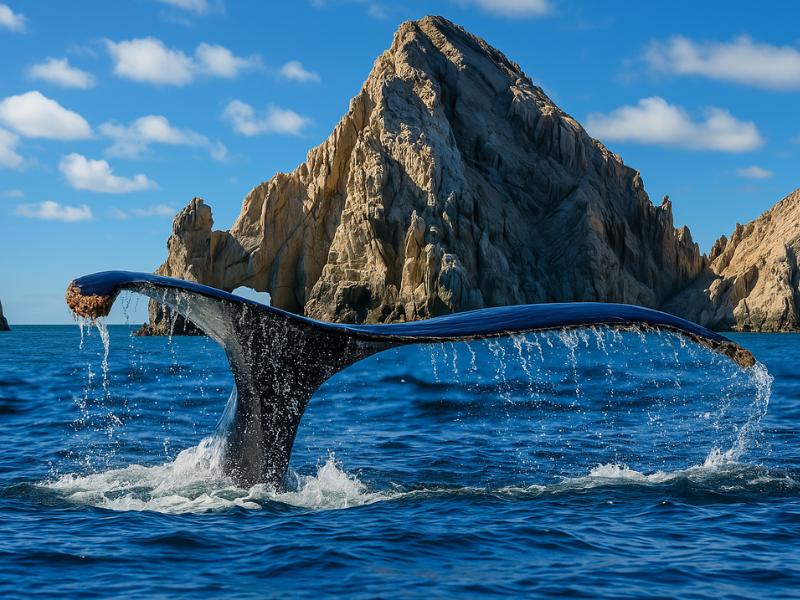
Plan Your Visit: Complete Whale Watching Planning Guide
Planning Cabo whale watching? Learn the best season (Feb–Mar peak), tour costs, booking timelines, weather tips, and common mistakes to avoid for a successful trip.
Planning affects the experience before the boat leaves the dock. Choose the month and boat format first, confirm the meeting point or pickup rule, pack for sun and spray, and arrive with enough time for check-in. Whale behavior remains unpredictable on every departure.
A little preparation changes the day. This guide covers when to visit, how to compare booking windows, what to pack, how to reach the marina, what to expect on the water, and how to choose a boat that fits the rest of the trip.
Build the Cabo whale-watch day around season, transport and the time you actually have. Each section connects one planning decision to a verified trip before the full comparison at the end. Compare The Cabo Tour Options Below →
January through March is the core planning window. Choose the biologist trip for a 12-guest shared watch, the catamaran when hotel transport matters or the private charter when snorkeling and paddleboarding should share the outing.
Best Time To Visit Cabo San Lucas For Whale Watching
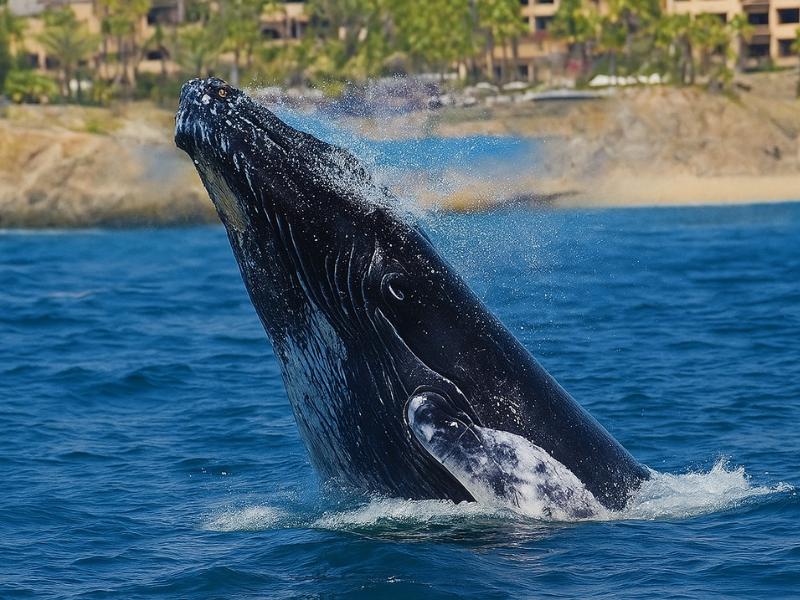
Whale watching season in Cabo San Lucas runs December through April, with peak whale activity happening January through March. January through March is the strongest editorial planning window, but no product can promise a sighting or a specific behavior.
December kicks off the season as whales start arriving from Alaska. You’ll see 60-80% sighting success, which is decent but not guaranteed. The upside? Fewer crowds, pleasant 70-78°F weather, and calm seas. Rain is rare, maybe one or two brief showers the whole month. Boats are less crowded, tours book easier, and you might get that peaceful experience with just a handful of other vessels on the water. December works great if you hate tourist crowds and don’t mind slightly lower odds of seeing whales.
January brings whale watching into full swing. Success rates jump to 95%+ as thousands of humpbacks settle into Cabo waters for mating and calving. Weather is perfect: 68-75°F air temperature, calm seas most days, brilliant sunshine. This is jacket-weather in the morning that warms up nicely by mid-morning. Sea conditions stay calm and predictable. Crowds build throughout the month but stay manageable until late January. This is the sweet spot for many visitors: excellent whale activity without peak season chaos.
February delivers maximum whale numbers and the most dramatic behaviors. February falls within the peak planning window, but breaching and other surface behaviors remain unpredictable. Weather warms to 70-78°F with nearly perfect sea conditions. But here’s the catch: everyone knows February is peak season. Valentine’s Day week and Presidents Day weekend turn the marina into a zoo. Boats fill up, tours book out weeks in advance, and you’re sharing the ocean with 20-25 other vessels on busy days. If you book February, aim for the first week or last week to avoid the holiday rush.
March continues the excellent whale watching with 95%+ sightings and the added bonus of mother-calf pairs becoming more common. Temperatures warm to 75-82°F, seas stay calm, and you get those tender moments watching baby humpbacks learn to breach. The challenge is Spring Break, which stretches over 3-4 weeks as different schools let out at different times. Crowds stay heavy throughout March, especially mid-month. Book well in advance if you’re visiting in March.
April marks the transition as whales start migrating back to Alaska. Success rates drop to 70-85%, still quite good but not guaranteed like peak months. Weather heats up to 78-85°F, getting genuinely warm on the boat. You’ll see more mothers with calves taking their time heading north, which creates beautiful viewing opportunities. Crowds thin out after Spring Break ends, making April quieter and more peaceful. April works well for people who value fewer tourists and don’t mind slightly lower whale odds.
Crowd level reality breaks down like this: December stays moderate with occasional spikes around Christmas week. January builds steadily, getting busy by late month. February peaks with maximum crowds, especially Valentine’s and Presidents Day. March maintains heavy crowds through Spring Break. April drops off significantly after the first week.
We’ve broken down the best time to see whales in Cabo month by month so you know what to expect when you book.
For different traveler types, here’s what works best:
Crowd avoiders should book December or early January, or wait until late April. You sacrifice some whale reliability but gain peaceful experiences.
Whale enthusiasts wanting maximum sightings should target late January through mid-March. If those dates suit your trip, check the live listing and plan for wildlife outcomes that can vary by day.
Budget travelers find better deals in December and April when demand drops. Shoulder season pricing saves 15-25% compared to peak February-March rates.
Families with school-age kids are stuck with Spring Break timing in March. Book 6-8 weeks ahead, prepare for crowds, but know the whales will still deliver.
Photographers wanting dramatic behaviors should aim for February when breaching peaks, or March for mother-calf moments with warming golden light.
Weather-sensitive visitors who hate cold mornings should book March or April when temperatures stay warm all day. December and January mornings can be genuinely chilly at 68-70°F on the water.
The honest truth? You can’t really go wrong with any month from January through March. The whales show up reliably, behaviors are active, and even with crowds, the ocean’s big enough that you’ll have amazing moments. December and April work great if your schedule or budget demands shoulder season, just understand you’re taking slightly bigger gambles on whale sightings.
Planning months in advance? This Cabo whale watching season calendar shows you the best weeks and when things start to slow down.
How To Book Your Cabo San Lucas Whale Watching Tour
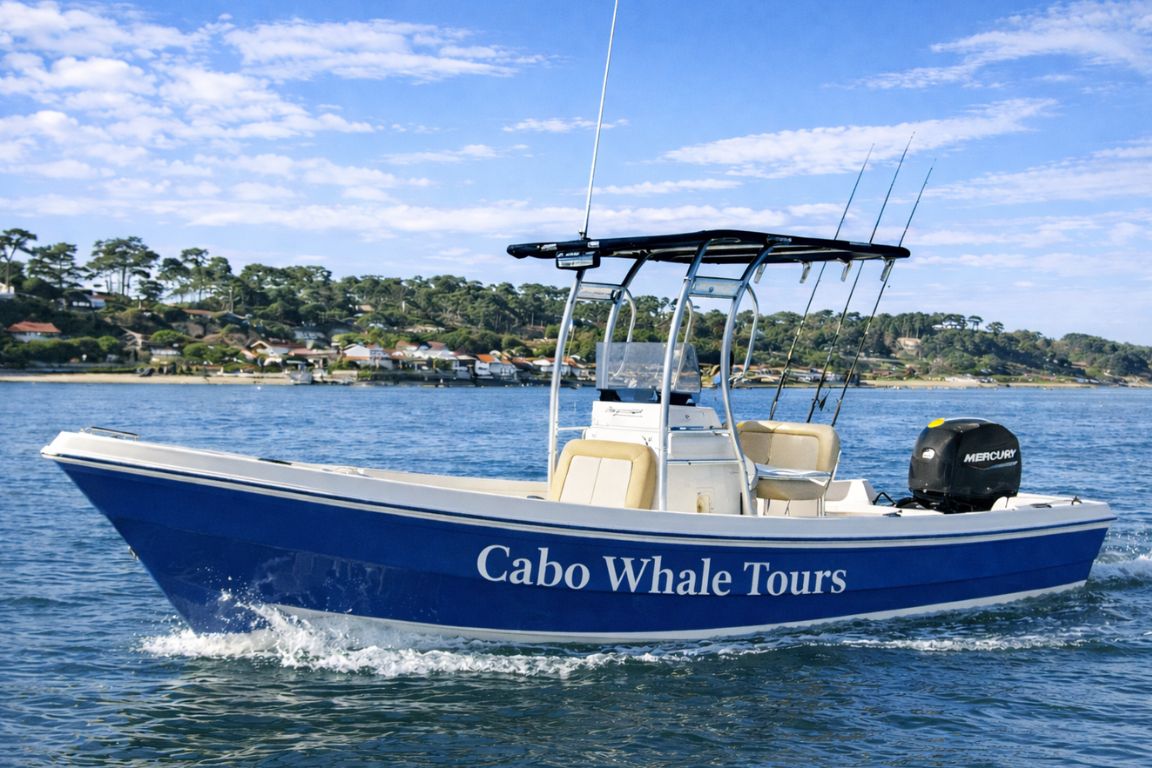
Book 2-8 weeks in advance depending on when you’re visiting. Peak season (February-March) needs 6-8 weeks. January requires 3-4 weeks. Shoulder season (December, April) works fine with 2-3 weeks notice.
The booking timeline that actually works breaks down by month. For December tours, booking 2-3 weeks ahead gives you good selection. The season’s just starting, availability is decent, and operators haven’t filled up yet. Exception: Christmas week (December 20-31) needs 4-6 weeks because holiday tourists flood Cabo.
January starts getting competitive. Book 3-4 weeks out for morning tours on smaller boats. Wait until 2 weeks before and you’ll still find tours, but your choices narrow. You might get stuck with afternoon slots or larger boats that weren’t your first choice.
February is where advance planning becomes critical. Book 6-8 weeks ahead, especially for Valentine’s week (February 10-17) and Presidents Day weekend (mid-February). I watched a couple try to book a February 14th tour in late January last year. Every quality small boat operator was fully booked. They ended up on a 50-person catamaran that wasn’t what they wanted. Book February tours by early January and you get your pick of times and boats.
March needs 6-8 weeks too because Spring Break stretches the entire month. Different schools break at different times, so the whole month stays busy. March availability changes by product and date, so check the live listing when your travel dates are firm.
April relaxes back to 3-4 weeks being plenty. After Spring Break ends (usually first week of April), availability opens up and you have flexibility again.
Last-minute bookings (1-3 days before) sometimes work in December or April. During peak season? You’ll probably find something because Cabo has tons of operators, but it won’t be ideal. You’re taking whatever’s left: afternoon tours, large boats, less experienced operators.
Where you book matters more than most people realize. You’ve got three main options: direct with tour operators, through your resort concierge, or via online booking platforms.
Compare the final price, cancellation terms, meeting point or pickup rules, and the operator contact shown on the current listing. A direct channel can make questions easier, while a marketplace can make products easier to compare. Neither route guarantees a lower price or more flexible terms.
I had a guest last month who booked direct, then got sick two days before the tour. We rescheduled her for three days later with zero hassle. If she’d booked through a resort or platform, that flexibility disappears into layers of policies and third-party rules.
Resort concierges make booking convenient. You walk downstairs, tell them what you want, they arrange everything. The downside? You’re paying 20-30% markup for that convenience. Resorts take hefty commissions from tour operators, and someone has to pay for it. That someone is you. Also, resorts often partner with specific operators (whoever gives them the best commission), which might not be the best operator for your needs. You’re getting their partner, not necessarily the best option.
A couple told me they booked through their resort concierge and paid $140 per person for a tour we sell direct for $95. Same exact tour, same boat, same guide. They just paid $90 extra for the convenience of booking in their hotel lobby.
Compare the complete live total and terms on the selected booking channel; no fixed platform markup is established here. You get the security of reading lots of reviews and booking through a familiar platform. The cancellation policies can be rigid though, locked into whatever the platform’s terms dictate. And if something goes wrong on tour day, you’re dealing with customer service in another country instead of the actual operator who can solve problems immediately.
The one advantage of platforms: they consolidate reviews from multiple sources, making it easier to research operators if you don’t know the local scene.
| Booking check | What to verify |
|---|---|
| Current total | Price, fees and currency on the live listing |
| Cancellation | Terms for the exact product and date |
| Transport | Plaza Bonita meeting, Dock C meeting, or catamaran pickup arranged 48 hours ahead |
| Contact | Use the listing contact for language, access and assigned-vessel questions |
A low price alone does not prove unsafe or poor service. Check the operator, verified boat details, group limit, duration, inclusions, restrictions and cancellation terms.
Vague answers about boat size, tour duration, or what’s included signal problems. Legitimate operators tell you exactly what boat you’re getting, how many passengers max, how long you’re on the water, and what’s included versus extra. If they dodge questions or give fuzzy answers, that’s a warning sign.
Pushy sales tactics where someone’s pressuring you to book immediately or claiming “only two spots left” for tours weeks away usually means they’re more interested in your money than your experience. Good operators want you to research, ask questions, and book when you’re comfortable.
No visible safety certifications or insurance mentioned anywhere raises huge concerns. Reputable operators display their permits, insurance coverage, and safety records proudly. If you can’t find any of that information, keep looking.
Reviews that all say the exact same thing in similar phrasing might be fake. Real reviews have variety, mention specific guides by name, include small complaints alongside praise, and feel authentic.
Research the exact product and recent terms, then check live availability as soon as the travel date is fixed. A fixed booking lead time cannot guarantee a departure.
Ask these specific questions when booking: “What’s your boat capacity?” “How many passengers will be on my specific tour?” “What’s your cancellation policy?” “Do you offer hotel pickup or do I meet at the marina?” “What exactly is included in the price?” Legitimate operators answer all of these instantly and specifically.
Use the current product listing to compare dates, group size, language, inclusions, meeting or pickup details and cancellation terms. The biologist-led trip meets at Plaza Bonita and does not include hotel transport; the catamaran requires pickup arrangements at least 48 hours ahead.
The difference between booking well and booking poorly often determines whether you get the tour you dreamed about or settle for whatever was left. Take 20 minutes to research and book properly, and you’ll thank yourself when you’re on a small boat watching humpbacks breach instead of jammed on a megaboat with 50 strangers fighting for rail space.
<
Cabo Whale Watching Tour Costs And What’s Included
Do not use a price tier as a quality label. Compare the exact product by duration, group format, guide, inclusions, transport and restrictions.
I watched a budget tour return to the marina last February. The boat had probably 50 people packed on it. They’d seen whales, sure, but everyone looked a bit disappointed. One woman told me they spent most of the time searching and only watched whales for maybe 20 minutes before heading back. For $65 per person, they got what they paid for.
The verified biologist-led trip lasts 2.5 hours and caps the group at 12. Check its current price and terms on the live listing rather than assigning it to a market tier.
This site compares independent operators. The verified biologist-led trip includes photos, water, a restroom and a hydrophone when conditions allow; it meets at Plaza Bonita.
Food, drinks, photos, guide type, comfort and group size vary by product. Verify each inclusion on the specific listing rather than assuming it follows a premium tier.
A honeymooning couple told me they booked a $220 per person private charter last year. Just the two of them, the captain, and a guide. They spent three hours on the water, had champagne and appetizers, got professional photos included, and said it was worth every penny for their once-in-a-lifetime trip. That’s premium done right.
What’s typically included in the tour price regardless of tier: transportation on the boat from marina departure to whale watching areas and back, certified guide or captain, basic safety equipment (life jackets), and drinking water. Mid-range and premium tours usually add snacks, sometimes light meals, better safety briefings, and more educational content. The actual whale watching time is obviously included, though how long you stay with whales varies by operator.
Most tours also include use of basic boat facilities (bathroom if the boat has one, seating, shade areas), radio communication between boats to share whale locations, and compliance with marine wildlife regulations. You’re paying for the expertise of getting you to the right areas at the right times, not just a boat ride.
Check each listing for exclusions, fees and pickup terms. The biologist trip has no hotel-transport promise, the catamaran offers pickup arranged 48 hours ahead, and the private charter meets at Dock C.
I had a family surprised last month when they showed up and got hit with $15 in marina fees they hadn’t budgeted, then felt obligated to tip $60 for the four of them, and wanted the photo package for $35. Their $95 per person tour suddenly cost $125 per person. Not a scam, just costs they didn’t anticipate.
Build the trip total from the live product price, disclosed fees, transport and optional spending. Local prices change, so avoid a fixed allowance.
Some people want to grab breakfast before the tour at marina restaurants, adding $15-25 per person. Others buy souvenirs from vendors at the marina when they return, another $20-50. If you’re taking a taxi to the marina instead of driving, that’s $15-30 each way depending on where you’re staying.
Use the same-currency full total from the live listing and add only the fees and transport that actually apply to your booking.
| Trip | Duration | Verified inclusions | Logistics |
|---|---|---|---|
| Biologist-led shared trip | 2.5 hours | Photos, water, restroom; hydrophone when conditions allow | Plaza Bonita; no hotel transport promise |
| Catamaran | 2 hours on the water plus transfers | Light meal and domestic bar | Hotel pickup/drop-off arranged 48 hours ahead |
| Private charter | 3 hours | Food, drinks, snorkel gear and paddleboard | IGY Dock C; confirm boat, language and access |
What’s actually worth paying extra for: Smaller boat capacity makes a massive difference in experience quality. Paying $20-30 more per person to go from a 40-person boat to a 20-person boat is absolutely worth it. You see better, move around easier, get more personal attention from guides, and actually enjoy the experience instead of tolerating crowds.
Experienced guides versus random crew members changes everything. A guide who’s been studying Cabo whales for 10 years knows where to look, predicts whale behavior, positions the boat perfectly, and educates you throughout. That expertise is worth $15-25 extra per person over budget operators who rotate inexperienced seasonal workers.
Longer tour duration (2.5-3 hours versus 90 minutes) gives you much better odds of memorable encounters. Whales don’t perform on schedule. Sometimes you find them immediately, sometimes it takes 45 minutes of searching. The longer tours don’t rush back to squeeze in another departure. Worth paying $10-20 extra.
What’s NOT worth paying extra for: Hotel pickup sounds convenient but costs $10-20 per person each way ($20-40 roundtrip). For that same money, you can Uber to the marina for $15-25 total and keep your schedule flexible. Unless you’re staying 30+ minutes from the marina, skip the pickup service and transport yourself.
Premium open bar and gourmet meals add $30-50 per person but don’t improve whale watching at all. You’re on the water for 2-3 hours. Bring your own water bottle and snacks, save the money. If you want fancy dining, do it at a restaurant afterward where you actually enjoy it instead of on a moving boat.
Private charters for 2-4 people cost $600-1,000 total. Unless it’s a truly special occasion (honeymoon, anniversary, proposal), join a small boat tour for $95-120 per person and get 90% of the experience for a fraction of the price. The whales don’t care if it’s your private boat.
Professional photo packages at $30-40 tempt people, but your phone takes excellent photos and videos now. Unless you’re terrible at photography or want guarantee professional quality shots, skip it and rely on your own camera.
Choose by verified fit rather than a generic spending tier. Compare current totals only after the duration, group format, inclusions and logistics suit the trip.
The budget tours save you $25-40 per person but compromise the experience enough that most people regret cheating themselves. The premium tours are lovely but unless money is truly no object, the mid-range delivers 90% of the experience for 60% of the price.
If you want to skip the research, here are the best Cabo whale watching tours based on boat size, guides, and what’s included.
What To Pack For Cabo San Lucas Whale Watching
Bring SPF 50+ sunscreen, layered clothing (light jacket plus t-shirt), hat with strap, sunglasses, camera or phone, closed-toe shoes with grip, and Dramamine if you’re prone to seasickness. Everything else is optional.
The essential items you absolutely need: High SPF sunscreen (50+ minimum, reef-safe if possible) because the sun reflects off water and hits you from multiple angles. You’ll burn in 30 minutes without protection, even in winter. Layered clothing that you can add or remove as temperatures change throughout the tour. A hat with a chin strap or some way to secure it (regular baseball caps blow off in wind). Polarized sunglasses that help you spot whales underwater before they surface. Closed-toe shoes with rubber soles that grip wet surfaces (boat decks get slippery). A camera or phone in something waterproof. Water bottle if you want your own beyond what the tour provides. Dramamine or ginger candies if you’re even slightly prone to motion sickness, taken 30-60 minutes before departure.
The stuff that’s helpful but not critical: Small backpack or bag to carry everything. Lip balm with SPF. Cash for tips and marina fees. Light snacks if you get hungry easily. Small towel for wiping spray or sitting on. Backup phone battery or portable charger. Waterproof bag for valuables.
I watched a guy from Minnesota show up for a February tour in a t-shirt, no jacket, no sunscreen. He figured February equals winter equals cool weather. The morning started at 68°F (20°С) on the water with wind, and he spent the first hour shivering and miserable. Then the sun came out and warmed things up to 75°F (24°С) by mid-tour. Without sunscreen, he burned his face, neck, and arms bright red. By the time we got back to the marina, he looked like a lobster and felt awful. He missed half the whale watching experience because he was too cold early and too burned later. All preventable with a $15 light jacket and $10 sunscreen.
Camera and phone tips that actually matter: Waterproof cases or bags are smart. Splashing happens, especially if whales get close or the boat moves through chop. A few drops of saltwater can ruin electronics. You don’t need expensive waterproof cases, just a simple waterproof pouch that seals and lets you use the touchscreen through it. They cost $10-15 on Amazon.
For photographing whales, keep your phone or camera ready but not constantly raised. Whales breach without warning. If you’re fumbling in your bag when it happens, you miss it. But if you’re staring through your viewfinder the entire tour, you miss experiencing the moment. Find the balance.
Phone camera settings: Use burst mode for action shots. When you see a whale start to move (tail lifting, body arching), hold down the shutter button and take 20 photos in two seconds. One of them will capture the peak of the breach. Regular single shots almost always miss the timing. Video mode works great too, then you can screenshot the best frame later.
Keep your lens clean. Saltwater spray leaves spots that ruin photos. Bring a microfiber cloth and wipe your lens every 15 minutes. The difference in photo clarity is dramatic.
Zoom often disappoints on phones. You’re better off getting closer through your guide’s boat positioning than using digital zoom that makes photos grainy. If whales are far away, enjoy watching them and wait for closer encounters instead of photographing distant blurry shapes.
Bring a neck strap or wrist strap for your phone or camera. Dropping a $1,000 phone overboard happens more often than you’d think when boats rock unexpectedly.
Specific product recommendations that work: For sunscreen, get reef-safe mineral sunscreen (zinc oxide or titanium dioxide based) in SPF 50+. Brands like Raw Elements or Stream2Sea work great and don’t harm coral reefs if you’re also snorkeling in Cabo. Apply 30 minutes before the tour and reapply halfway through. Don’t skip your ears, neck, tops of feet, and hands. Those spots always burn.
For jackets, a lightweight windbreaker or thin fleece (the kind that stuffs into its own pocket) works perfectly. Columbia, North Face, or even cheap options from Target do the job. You want something that blocks wind but doesn’t make you sweat. Cost: $20-40.
Hats with chin straps or adjustable cords prevent losing them overboard. Wide-brimmed sun hats with cords work better than baseball caps for sun protection. If you love your baseball cap, get a hat clip that attaches it to your shirt. Cost: $15-30 for a decent sun hat.
Sunglasses must be polarized for whale watching. Polarization cuts glare and lets you see underwater shapes that reveal whale positions. Costa, Maui Jim, or even $20 polarized options from sporting goods stores all work. Just verify they’re actually polarized. Bring a strap to secure them around your neck.
Shoes should be closed-toe with rubber soles. Old sneakers, water shoes, or boat shoes all work great. Flip-flops are terrible on wet boat decks (slippery and dangerous) and provide zero toe protection if someone steps on your foot in a crowded rail area. Tevas or Keens work well. Avoid brand new shoes that might give you blisters.
For seasickness, Dramamine (dimenhydrinate) or Bonine (meclizine) both work. Take them 45-60 minutes before departure, not once you’re already feeling sick. Bonine causes less drowsiness if that matters. Ginger candies or ginger tea provide natural alternatives that some people swear by. Cost: $6-10 for a pack.
Small dry bags (5-10 liter size) cost $10-20 and keep phones, wallets, and cameras safe from splashing. They’re waterproof, float if dropped overboard, and compress small when empty.
Need a packing checklist? Our guide on what to wear & bring on a Cabo whale tours covers everything from layers to camera gear.
What To Expect On Your Cabo San Lucas Whale Watching Tour
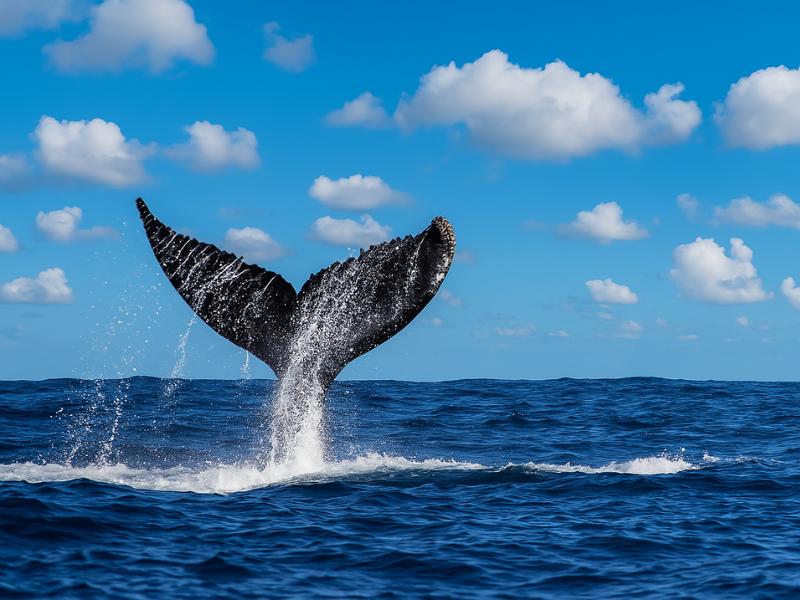
The typical tour timeline starts with check-in at the marina 15-30 minutes before departure. You’ll find your tour operator’s booth or meeting point, show your confirmation, sign a waiver, and get a brief overview. Most tours depart between 8am-10am for morning slots or 2pm-4pm for afternoon tours. The crew does a safety briefing covering life jacket locations, where bathrooms are (if the boat has one), and basic rules about staying seated when asked.
Boarding happens about 10-15 minutes before departure. You walk down the dock, step onto the boat (sometimes with a crew member’s help), and find a spot to sit or stand. Smaller boats fill up quickly, so arriving early gets you better positioning. The boat motors out of the marina slowly (no-wake zones), which takes 5-10 minutes navigating past other vessels and the harbor breakwater.
Once clear of the marina, the captain opens up the throttle and you travel 10-30 minutes to whale watching areas. This transit time depends on where whales have been spotted recently. Sometimes they’re close to shore, sometimes farther out. The ride can be smooth or bumpy depending on sea conditions. Most days it’s gentle and pleasant.
Whale watching time is the heart of the tour, lasting 60-90 minutes typically. You search for spouts, follow whales when found, watch their behaviors, and the captain repositions as whales move. Good tours stay with active whales longer, following them respectfully while maintaining legal distance. The return trip takes another 10-30 minutes back to the marina, usually with the captain sharing final thoughts or answering questions.
Total tour duration runs 2-3 hours from check-in to when you step back on the dock. Budget operators rush it to 90 minutes total. Quality mid-range tours give you the full 2.5-3 hours.
I remember a first-time whale watcher from Ohio last February. She’d never been on a boat in the ocean before, never seen a whale except in aquariums, and was nervous about everything. She asked me fifteen questions during check-in: “Will I get seasick?” “What if we don’t see whales?” “Is it scary when they’re close?” “Can they tip the boat over?”
We got about 20 minutes offshore and spotted our first spout. She got quiet, staring intently. The whale surfaced maybe 100 yards away, just a back and dorsal fin visible. She seemed slightly disappointed, like she expected more. Then five minutes later, that same whale breached completely out of the water about 75 yards from our boat. She screamed (happy scream) and started crying. Not sad crying, overwhelmed joy crying.
Over the next hour we watched that whale and three others. They breached repeatedly, tail slapped, spy-hopped right next to the boat. She took probably 200 photos and videos. When we returned to the marina, she hugged me and said it was the most amazing experience of her entire Cabo trip, better than she’d imagined. What surprised her most? How close the whales get, how massive they are in person versus on TV, and how emotional the experience feels when you’re actually there.
The boat experience itself varies by vessel size. Small boats (15-20 people) feel intimate and maneuverable. You hear the engine hum, feel every wave, and experience the ocean directly. There’s movement, gentle rocking, maybe some bouncing if seas are choppy. It’s not scary rough, just active. The noise level stays moderate because smaller engines aren’t as loud, and fewer people means less crowd chatter. You can actually hear whales exhale when they surface nearby.
Medium boats (20-35 people) provide more stability with less rocking, which helps seasickness-prone people. The engine noise increases, more of a constant rumble. More people means more talking, cameras clicking, kids asking questions. It’s busier but still manageable.
Large boats (40+ people) feel stable and solid, almost like you’re barely moving. The big engines roar loudly during transit. The crowd noise can be overwhelming, like being at a sporting event. You lose that intimate ocean connection, but you gain stability and space.
Where to sit matters more than first-timers realize. On small boats, the bow (front) gives you best views but maximum movement and spray. You’ll feel every wave and get wet if seas are active. The stern (back) near the captain stays drier and calmer but engine noise and exhaust are stronger. The sides (port and starboard rails) offer the best combination of views, access, and comfort.
Avoid sitting in enclosed cabins if the boat has them. You miss the experience and increase seasickness risk. Stay outside in fresh air where you can see the horizon.
Whale encounter reality rarely matches people’s expectations, either exceeding them dramatically or falling slightly short. How close you get depends on the whales, not the captain. Marine law requires boats stay 100+ feet from whales. But whales often approach boats on their own, sometimes getting within 20-30 feet. When a 40-ton humpback surfaces that close, you feel the spray from its blowhole, hear the whoosh of its exhale, and see every barnacle on its skin. It’s intensely powerful.
Some encounters last 5-10 minutes before the whale moves on. Other times you follow a whale or pod for 30-45 minutes as they stay in an area, repeatedly surfacing and diving. The best tours happen when whales are actively breaching, tail slapping, or socializing. You might see one whale breach 10 times in twenty minutes. Or you might watch three whales logging (resting at the surface) for a calm, peaceful encounter.
Multiple whales versus single whale sightings change the energy. Finding a competitive pod of 3-4 males chasing a female creates chaos and excitement. Whales everywhere, constant action, boats repositioning to follow. Finding a single mother with calf offers tender, quiet moments watching the baby learn to breathe and surface properly.
Not every tour gets dramatic breaching. Some days whales are calm, traveling steadily, surfacing to breathe every 8-10 minutes, and that’s it. You still see whales, you still have an amazing experience, it’s just different energy than the highlight reel videos on Instagram.
The one guarantee? You cannot predict what whales will do. They’re wild animals with their own agendas. The captain’s experience helps position the boat well and read whale behavior, but ultimately the whales decide if they breach, approach, or ignore you.
Other wildlife you’ll likely see makes every tour interesting even if whales are less active. Dolphins may also appear, but this article does not have verified encounter rates for the selected products. Common dolphins, bottlenose dolphins, and sometimes spotted dolphins all live in Cabo waters. They’re playful, jumping, spinning, and generally entertaining.
Sea lions hang out near the famous Arch (Land’s End), sunbathing on rocks and barking. Most tours pass the Arch area on the way to or from whale zones, giving you photo opportunities of the rock formations and sea lion colonies.
Manta rays and mobula rays occasionally appear, sometimes leaping out of the water in groups. Seeing a manta ray fly completely out of the ocean and belly-flop back in is surreal and unexpected.
Sea turtles surface to breathe, poking their heads up before diving. You might see several throughout the tour.
Seabirds like pelicans, frigatebirds, and boobies follow boats or dive for fish. When you see large groups of birds diving in one area, it often signals baitfish schools, which can attract whales.
On rare occasions, whale sharks (the world’s largest fish) show up. They’re harmless filter feeders and seeing one is incredibly special. Maybe 2-3 times per season we encounter whale sharks.
I had a tour last month where whales were being shy, surfacing far away and not approaching. The guests were getting a bit disappointed. Then we found a pod of about 50 dolphins hunting together, leaping and splashing everywhere. They surrounded our boat for fifteen minutes, jumping right next to us, putting on an incredible show. The guests ended up saying the dolphins were the highlight of the day. The whales we saw were just a bonus.
That’s the reality of ocean wildlife tours. You plan for whales, hope for whales, but the ocean always has something to show you. Even on the rare day when whale sightings are minimal, you’re still on a boat in beautiful Cabo waters with marine life all around.
Cabo Whale Watching Tour Rules And Regulations
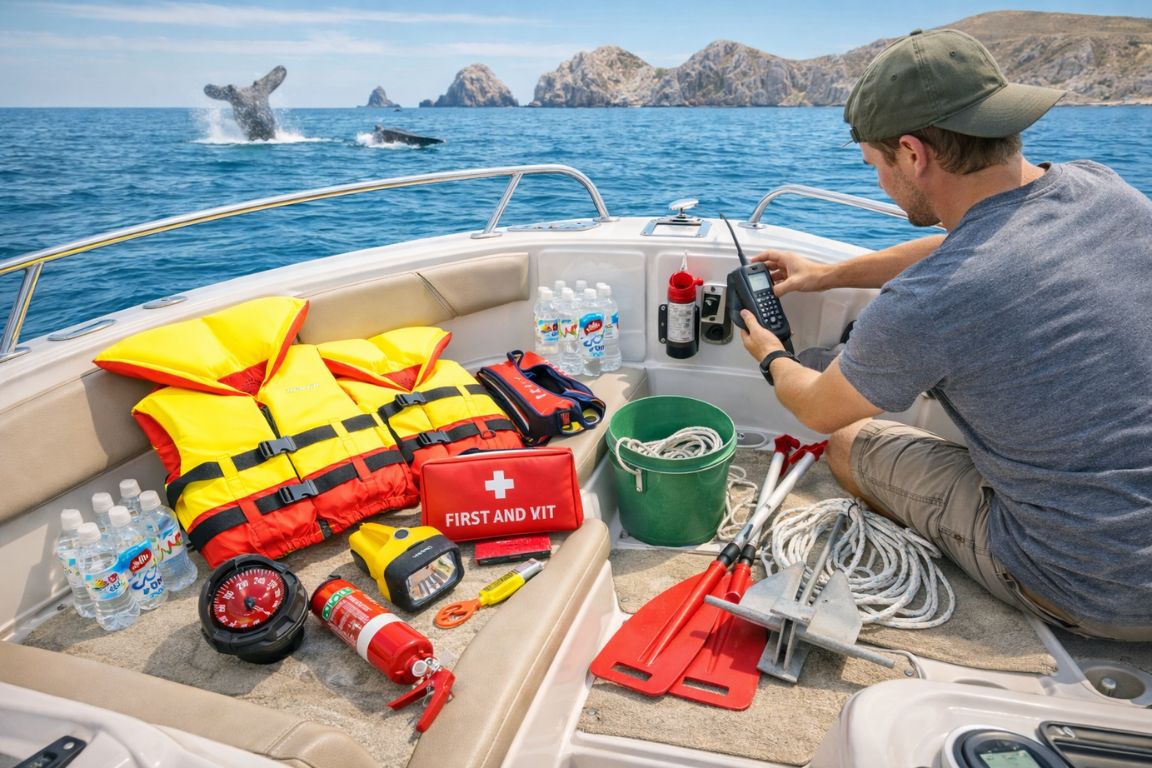
Safety rules exist for good reasons, not just to annoy you. Life jackets are required to be accessible and visible on all boats, though you typically don’t wear them unless conditions get rough or the captain requests it. Know where they’re stored and how to put one on. If crew asks you to wear one, don’t argue. They’re assessing conditions you might not understand.
Movement restrictions matter on boats. When the captain or crew tells you to stay seated, it’s because the boat is about to make a quick turn, speed up, or navigate tricky conditions. Standing or moving around during these moments is how people fall, get injured, or go overboard. I’ve seen someone ignore a “stay seated” instruction, try to rush to the other side of the boat for a better photo angle, and nearly fall when the captain turned sharply. The crew caught him, but it scared everyone and could have been serious.
Child supervision is the parents’ responsibility, not the crew’s. Kids need to stay with adults at all times, not run around the boat unsupervised. Railings are lower than you think, and small kids can fit through or under them. I watched parents last month let their six-year-old roam freely while they chatted with other guests. The crew had to constantly redirect the kid away from dangerous areas. That’s stressful for everyone and unfair to other passengers trying to enjoy the tour.
Don’t lean over railings farther than necessary. People get excited when whales surface close and lean way out for photos or videos. One strong wave or boat movement and you’re overboard. Stay balanced, keep your center of gravity inside the boat, and use zoom instead of leaning.
No swimming or entering the water during tours unless it’s an explicitly planned snorkel stop (which whale watching tours don’t include). Even if the boat stops and whales are nearby, you cannot jump in. It’s illegal, dangerous, and disruptive to wildlife.
Wildlife protection laws in Mexican waters are strict and enforced. Boats must maintain at least 100 feet (30 meters) distance from whales. Captains who deliberately approach closer risk heavy fines, permit suspension, or losing their license entirely. Reputable operators respect this distance religiously.
The exception happens when whales approach the boat on their own. If a curious whale swims toward you and comes within 50 feet or even 20 feet, that’s legal because the whale chose to approach. The captain must keep engines neutral or off, let the whale do what it wants, and not chase if it moves away.
No touching whales under any circumstances. Even if a whale surfaces right next to the boat and you could reach out and touch it, don’t. It’s illegal, stresses the animal, and can be dangerous. Whale skin is sensitive, and your touch can transmit bacteria or oils that harm them. Plus, whales are massive powerful animals. A startled whale could thrash its tail or dive suddenly and injure people or damage the boat.
No feeding wildlife. Not whales, not dolphins, not sea lions. Feeding wild animals disrupts their natural behaviors, makes them dependent on humans, and teaches them to approach boats expecting food, which creates dangerous situations.
No littering or throwing anything overboard. This includes seemingly harmless things like apple cores or bread. Ocean ecosystems don’t need your organic trash. Keep everything on the boat and dispose of it properly at the marina.
Harassment of wildlife is illegal and includes chasing, cornering, separating mothers from calves, or making loud noises to provoke reactions. Good tour operators never do this. If you’re on a tour where the captain is aggressively chasing whales, honking the horn to make them react, or doing anything that seems disrespectful to the animals, report it. That operator shouldn’t be in business.
Photography etiquette keeps the experience pleasant for everyone. No flash photography of whales or other wildlife. Flash doesn’t reach far enough to improve your whale photos anyway (they’re too far away), but it can startle animals and definitely annoys other passengers trying to enjoy the moment. Turn your flash off.
Drones are prohibited on virtually all whale watching tours and in marine protected areas. They’re illegal to fly over whales, they disturb wildlife, they create safety hazards near boats, and honestly nobody wants to listen to a drone buzzing overhead during their peaceful whale encounter. Leave your drone at the hotel.
Share rail space fairly. When whales appear, everyone wants to rush to that side of the boat. Don’t camp in one spot the entire tour hogging prime viewing. Take your photos, watch for a few minutes, then rotate and let others in. This especially matters on smaller boats where space is limited.
Don’t block other people’s views unnecessarily. If you’re tall, kneel or crouch when whales are close so shorter people behind you can see. If you’re filming video, be aware of how much space you’re taking up with your arms extended.
Respect other people’s experience. Not everyone wants to hear your commentary during whale sightings. Some people prefer quiet, meditative whale watching. Keep your voice at reasonable levels and save the long conversations for transit time.
Seasickness protocol is important to know before you need it. If you start feeling seasick (nausea, dizziness, cold sweats, excessive salivation), tell the crew immediately. Don’t be embarrassed. They’ve seen it hundreds of times and can help.
Move to the back of the boat near the stern where movement is less pronounced. Sit down and focus on the horizon, not the deck or your phone. Fresh air helps tremendously, so stay outside if possible, not in enclosed cabins. Lying down flat sometimes helps if there’s space.
The crew will provide seasickness bags if needed. Use them without shame. Way better than leaning over the rail (dangerous and you might drop your phone or sunglasses overboard).
Most boats have bathrooms, usually small marine heads (toilets) in tiny enclosed spaces. They’re functional but cramped. If you’re seasick, using them can make it worse because you lose visual contact with the horizon and you’re in a moving enclosed space. Try to hold out for the marina if possible, or use them quickly.
If you vomit over the side of the boat, do it on the downwind side (ask crew which side that is). Nobody wants spray blowing back onto the boat or other passengers.
Ginger candies, ginger tea, or acupressure wristbands provide relief for mild seasickness. The crew might have ginger available. Sipping cold water slowly sometimes helps.
In extreme cases where someone is severely seasick, the captain can return to marina early, though this rarely happens. Most seasickness is uncomfortable but manageable for the 2-3 hour tour duration.
Prevention works better than treatment. Take Dramamine or Bonine 45-60 minutes before departure. Eat a light meal beforehand (empty stomach or overly full stomach both worsen seasickness). Stay hydrated. Get fresh air. Watch the horizon. These simple steps prevent 90% of seasickness issues.
I had a tour last year where a guest ignored the crew’s instruction to stay seated during a repositioning maneuver. He wanted a photo of a whale on the port side and rushed across the boat right as the captain turned sharply. He stumbled, nearly fell overboard, caught himself on the railing, and dropped his $900 phone into the ocean. Gone forever. The whole thing was his fault for not following basic instructions. The crew had literally just said “Everyone stay seated while we reposition.” He cost himself a phone and scared everyone on the boat because he couldn’t wait thirty seconds.
The rules aren’t arbitrary bureaucracy. They exist because boats are inherently dangerous environments, wild animals are unpredictable, and ocean conditions change quickly. Follow instructions, respect wildlife, be considerate of other guests, and everyone has a safer, better experience.
Reputable operators like Cabo Whale Tours enforce these rules consistently because we care about guest safety and marine conservation. If you’re on a tour where the operator ignores rules, cuts corners on safety, or harasses wildlife, you’re with the wrong company. The ocean and the whales deserve better.
Worried about safety? I’ve broken down is whale watching in Cabo safe based on boat conditions, ocean swells, and what to expect on the water.
Combining Whale Watching With Other Cabo San Lucas Activities
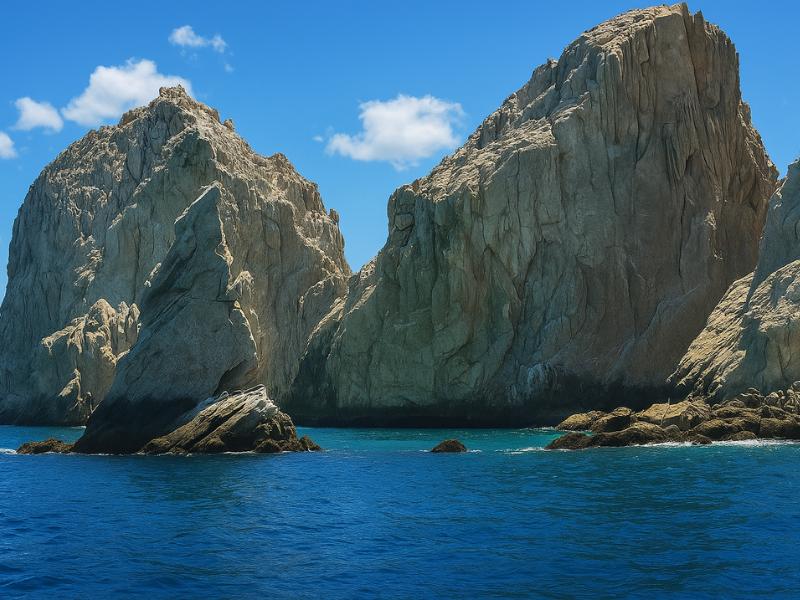
Same-day combinations work beautifully when you plan smart. Morning whale watching tours typically return to the marina by 11am or noon, leaving your entire afternoon open. The best afternoon pairings are activities near the marina or low-energy options that let you process the morning’s excitement without exhausting yourself.
Beach time at Medano Beach (5-minute walk from the marina) gives you a relaxed afternoon swimming, lounging, and maybe grabbing lunch at beachfront restaurants. You’re already near the water, already in beach mode from the boat tour, and can decompress without rushing anywhere. This is probably the most popular post-whale-watching activity.
Land’s End boat tours or water taxis to Lover’s Beach and Divorce Beach work great because you’re already at the marina. These short 10-15 minute boat rides cost $15-25 roundtrip, drop you at beautiful secluded beaches, and you can snorkel, swim, or explore. Most people spend 2-3 hours there before catching a water taxi back.
Lunch at marina restaurants followed by shopping in downtown Cabo San Lucas fits perfectly. You’re energized from whale watching, hungry from being on the water, and the marina area has dozens of restaurants within walking distance. Spend an hour or two eating and wandering through shops, then head back to your hotel to relax.
Sunset cruises (departing 5pm-6pm) give you time between activities. Finish whale watching at 11am, have lunch, rest at your hotel for a few hours, then head out for evening sunset sailing. Just don’t book sunset cruises that include heavy drinking if you’re already sun-tired from the morning boat ride.
I watched a couple from San Diego absolutely nail their Cabo day last February. They booked our 8:30am whale watching tour, returned to the marina at 11:15am completely thrilled after seeing multiple breaching humpbacks. They walked to Medano Beach, had fish tacos and margaritas at a beachfront restaurant, swam for an hour, then took a water taxi to Lover’s Beach around 3pm. They snorkeled for 90 minutes, caught the water taxi back at 4:30pm, and were at their hotel by 5:30pm for showers and dinner. They saw whales, hit two beaches, snorkeled, ate great food, and never felt rushed or exhausted. Perfect pacing.
Compare that to a family I met the same week who tried to pack everything into one day. They booked 8am whale watching, returned at 10:45am, immediately rushed to a noon ATV tour in the desert (45 minutes away), finished that at 3pm exhausted and covered in dust, then had a 5pm zip-lining reservation they almost missed. By 7pm they were back at the hotel completely wiped out, cranky, and the kids were melting down. The mom told me they should have spread those activities across multiple days instead of cramming three tours into one day.
Multi-day itinerary suggestions help you plan the whole trip properly. Here’s what actually works based on years of seeing what visitors enjoy versus what burns them out.
3-Day Cabo Itinerary with Whale Watching:
Day 1: Arrive, check into hotel, walk around downtown Cabo or your resort area, easy dinner, early bed to recover from travel.
Day 2: Morning whale watching tour (8:30am departure, return 11am), lunch at marina, afternoon at Medano Beach or Lover’s Beach, sunset at El Arco viewpoint, dinner in town.
Day 3: Morning snorkeling tour or water sports rental at your resort, afternoon spa treatment or pool time, evening farewell dinner.
This pacing gives you whale watching on Day 2 when you’re recovered from travel but still have energy. You balance activity with relaxation, and nobody gets exhausted.
5-Day Cabo Itinerary with Whale Watching:
Day 1: Arrive, settle in, light exploration, early dinner.
Day 2: Morning whale watching tour, afternoon beach time or hotel pool, relaxed evening.
Day 3: Full-day activity like snorkeling tour to Cabo Pulmo or Santa Maria Bay, or split day with morning ATV tour and afternoon rest.
Day 4: Rest day or light activities like downtown shopping, visiting San Jose del Cabo art walk (Thursday evenings), spa treatments, or just beach lounging.
Day 5: Morning final beach time or last-minute shopping, afternoon checkout and departure.
This spreads activities across the week, includes a rest day, and doesn’t front-load everything. Day 4 being low-key prevents the common mistake of scheduling tours every single day and arriving home needing a vacation from your vacation.
7-Day Cabo Itinerary with Whale Watching:
Day 1: Arrive, settle in, light evening activities.
Day 2: Whale watching morning tour, afternoon beach or pool.
Day 3: Morning snorkeling or diving, afternoon rest.
Day 4: Rest day, maybe spa, pool time, casual exploration.
Day 5: Full-day desert or mountain adventure (ATV, zip-lining, hiking), or water activities like stand-up paddleboarding.
Day 6: Morning fishing charter or second whale watching tour (yes, people book twice and see completely different behaviors each time), afternoon final beach time.
Day 7: Light morning, shopping for souvenirs, departure.
Seven days lets you do everything without rushing, includes two rest days, and gives you flexibility if weather cancels something or you just want an unscheduled day.
Rest day considerations matter more than people realize. Jet lag affects everyone differently. Flying from the East Coast to Cabo crosses three time zones. Your body thinks it’s 3pm when it’s actually noon. You feel off for 2-3 days while adjusting. Don’t schedule intense early-morning activities (like 6am fishing charters) on Day 2 when you’re still jet-lagged.
Acclimatization to sun and heat takes time if you’re coming from winter climates. A guest from Chicago last January arrived on a Friday after months of 20-degree weather. Saturday morning she booked whale watching and spent 3 hours in 75-degree sunshine on the water. By Saturday afternoon she was sunburned, dehydrated, and exhausted because her body wasn’t acclimated. She needed Sunday as a complete rest day to recover.
Pacing yourself prevents vacation burnout. The temptation is booking activities every day because you’re only in Cabo for a week and want to see everything. But three boat tours, two desert adventures, one fishing charter, and nonstop beach time across seven days leaves you exhausted. You stop enjoying things, you get irritable, photos show you looking tired instead of happy.
Build in actual rest days. A rest day doesn’t mean sitting in your hotel room bored. It means sleeping in, leisurely breakfast, pool time with a book, maybe a walk through town, casual dinner. Low-energy activities that recharge you instead of depleting you further.
I had a couple last month with a 6-day Cabo trip who booked whale watching, fishing, ATV tour, snorkeling, zip-lining, and a sunset cruise. Every single day had something scheduled. By Day 4 they were so tired they actually canceled their Day 5 ATV tour just to rest. They told me they wished they’d built in rest days from the start instead of learning the hard way.
FAQ: Planning Your Cabo Whale Watching Visit
1. How far in advance should I book a Cabo whale watching tour?
Book when your dates are firm and use the live listing to see actual availability. December and April also require confirmation that the product runs on the exact date.
2. What time do whale watching tours depart in Cabo?
Morning tours depart 8:00am-10:00am (most common: 8:30am or 9:00am). Afternoon tours leave 2:00pm-4:00pm. Morning is generally better for calmer seas and more active whales. Arrive 15-30 minutes early for check-in.
3. How long are Cabo whale watching tours?
Standard tours run 2-3 hours total. Budget tours might be 90 minutes, premium tours 3-4 hours. Actual whale watching lasts 60-90 minutes, with 10-30 minutes travel time each way to whale areas.
4. What should I wear on a whale watching tour?
Layers (light jacket over t-shirt), closed-toe shoes with grip, hat with strap, polarized sunglasses, and SPF 50+ sunscreen. December-February: 65-75°F mornings warming to 75-80°F. March-April: 75-85°F. Skip flip-flops.
5. Do whale watching tours include hotel pickup in Cabo?
Transport is product-specific. The biologist trip has no hotel-transport promise, the catamaran offers pickup arranged at least 48 hours ahead, and the private charter meets at IGY Dock C.
6. What if I get seasick on the whale watching tour?
Take Dramamine or Bonine 45-60 minutes before departure. If sick during tour, tell crew, move to back of boat, sit down, focus on horizon, stay in fresh air. Crew provides bags if needed. Only 5-10% of passengers experience seasickness in Cabo’s calm waters.
7. Are Cabo whale watching tours safe for pregnant women?
The verified biologist-led trip is not recommended during pregnancy. Do not generalize across operators: check the exact product restrictions and ask both your clinician and the operator before booking.
8. How close do the boats get to the whales?
Law requires boats stay 100+ feet away. However, whales often approach boats on their own, sometimes within 20-30 feet. Captains must keep engines neutral when whales approach. Close encounters happen frequently but aren’t guaranteed.
Glossary: Cabo Whale Watching Planning Terms
Marina: The harbor where whale watching tours depart and return, located in Cabo San Lucas. Most tours leave from the main Cabo marina near downtown. You’ll meet your tour operator at their designated booth or dock area 15-30 minutes before departure time.
Check-in: The arrival and registration process before your tour. You show your confirmation (printed or on phone), sign a liability waiver, receive safety information, and get directed to your departure dock. Arrive 15-30 minutes early to complete check-in without rushing.
Peak Season vs Shoulder Season: Peak season (January-March) offers maximum whale numbers, 95-98% sighting success, but higher prices and crowds. Shoulder season (December and April) has fewer whales (60-85% success), lower prices, and fewer tourists. Peak season requires booking 6-8 weeks ahead, shoulder season needs only 2-4 weeks.
Small Boat vs Large Boat: Small boats (12-20 passengers) offer intimate experiences, better maneuverability, personal attention, and unobstructed views but cost more ($85-120). Large boats/catamarans (40+ passengers) provide stability and lower prices ($60-85) but feel crowded with limited viewing space. Boat size dramatically affects experience quality.
Seasickness (Motion Sickness): Nausea, dizziness, and discomfort caused by boat movement. Affects 5-10% of Cabo whale watching passengers due to relatively calm waters. Prevent by taking Dramamine or Bonine 45-60 minutes before departure, staying in fresh air, focusing on the horizon, and avoiding heavy meals beforehand.
Life Jacket (PFD – Personal Flotation Device): Safety equipment required on all boats. You typically don’t wear them unless conditions get rough or the captain requests it, but they must be accessible and visible. Know where they’re stored and how to put one on. Children may be required to wear them the entire tour.
Marine Park Fees: Entrance charges ($2-5 per person) to protected marine areas, sometimes collected separately from tour price. Not all operators include these in their quoted rates. Bring cash for these fees as they’re often collected on-site and card payments aren’t always accepted.
Ready To Plan Your Perfect Cabo Whale Watching Adventure?
Planning a Cabo whale watching trip comes down to a few key decisions: book 6-8 weeks ahead for peak season (February-March) or 2-4 weeks for shoulder months, pack layers and SPF 50+ sunscreen, choose morning tours for best conditions, and pick small boats over crowded catamarans. Get these basics right and you’re 90% of the way to an incredible experience.
The strongest choice is the one that fits your month, transport needs, group format and verified restrictions. Compare those details before building the rest of the itinerary around the boat.
The biologist-led shared trip caps the group at 12 and meets at Plaza Bonita. The catamaran adds hotel transfers arranged at least 48 hours ahead. The private charter meets at IGY Dock C and requires confirmation of the assigned boat and language.
Compare current dates and terms on the relevant listing before locking in the rest of the trip.
The whales are coming to Cabo. Your job is just showing up prepared, on time, and ready to be amazed.
Keep the rest of the day light, and confirm the meeting point or pickup plan before departure.