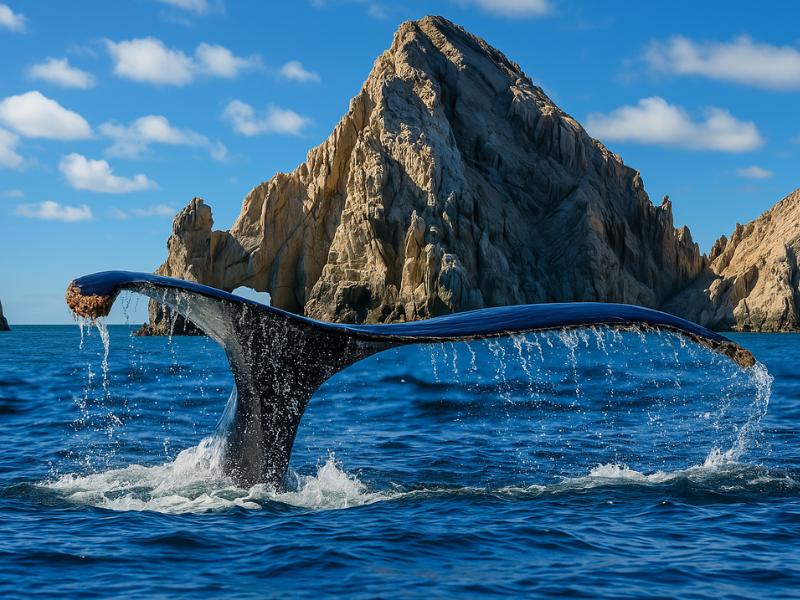
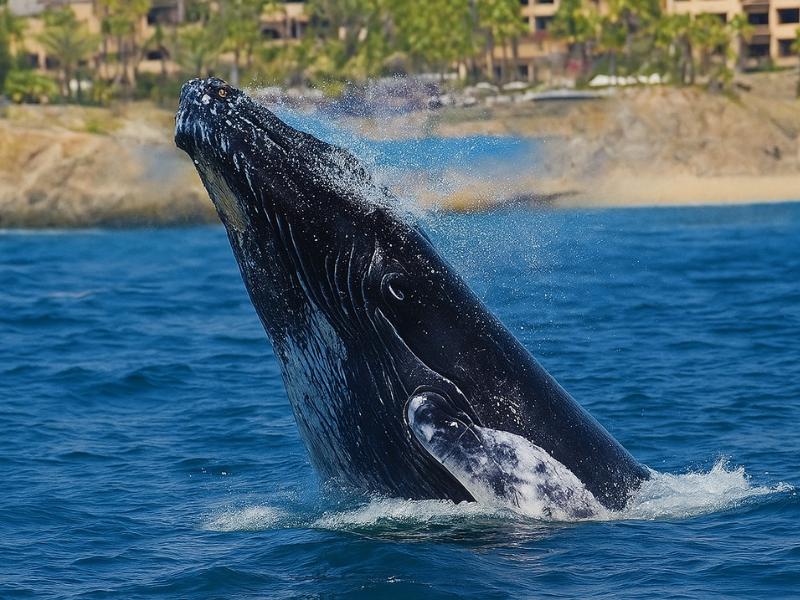
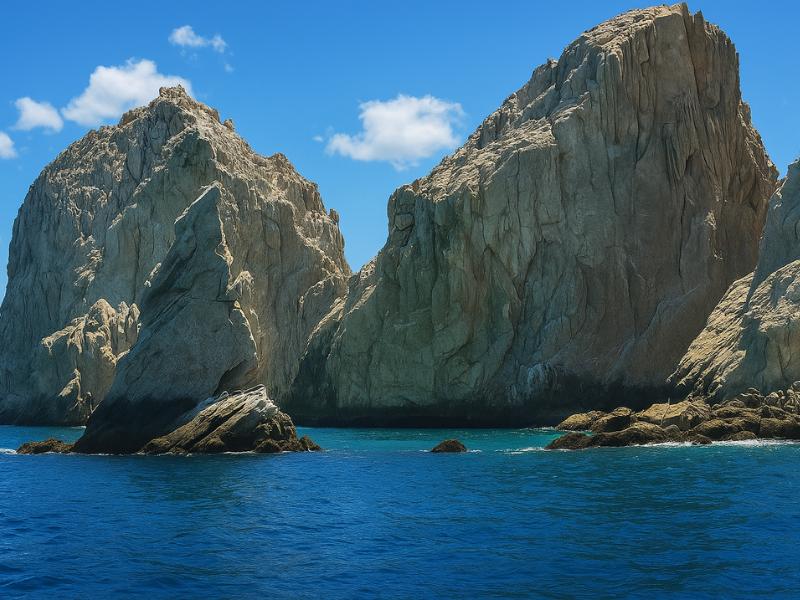
How To Get To Cabo San Lucas For A Whale Tour
Flying to Cabo for whale watching? Learn the best airport, flight times, transfer options, costs, and why arriving a day early is key for a smooth experience.
Last February I had two couples book whale watching tours for the same morning. The first couple researched transportation ahead of time, booked a shared airport shuttle for $20 per person, stayed at a hotel three blocks from the marina, and walked to our 8:30am tour in ten minutes. Easy, cheap, stress-free. The second couple winged it. They booked a resort 45 minutes away thinking they’d just Uber to the marina, discovered at 7:45am that Ubers were scarce and expensive that early, panicked, overpaid for a last-minute taxi, arrived flustered and late, and spent the first hour of the tour stressed instead of enjoying whales. Same destination, completely different experiences because of transportation planning.
This guide covers the practical decisions: which airport to use, how to compare current airport transfers, where to stay for marina access, and when a rental car may help. Confirm live fares, pickup rules, and travel times with the provider you choose.
Once the airport and hotel route are clear, choose the whale trip whose meeting or pickup plan fits that route. The options below connect each transport decision to a verified Cabo departure. Compare The Cabo Tour Options Below →
Fly into SJD, plan the airport leg separately, and use the exact tour meeting point to choose your hotel-to-marina transport. The catamaran can include hotel pickup and drop-off when arranged at least 48 hours ahead; the biologist trip meets at Plaza Bonita and the private charter at IGY Dock C.
Flying To Cabo San Lucas For Whale Watching
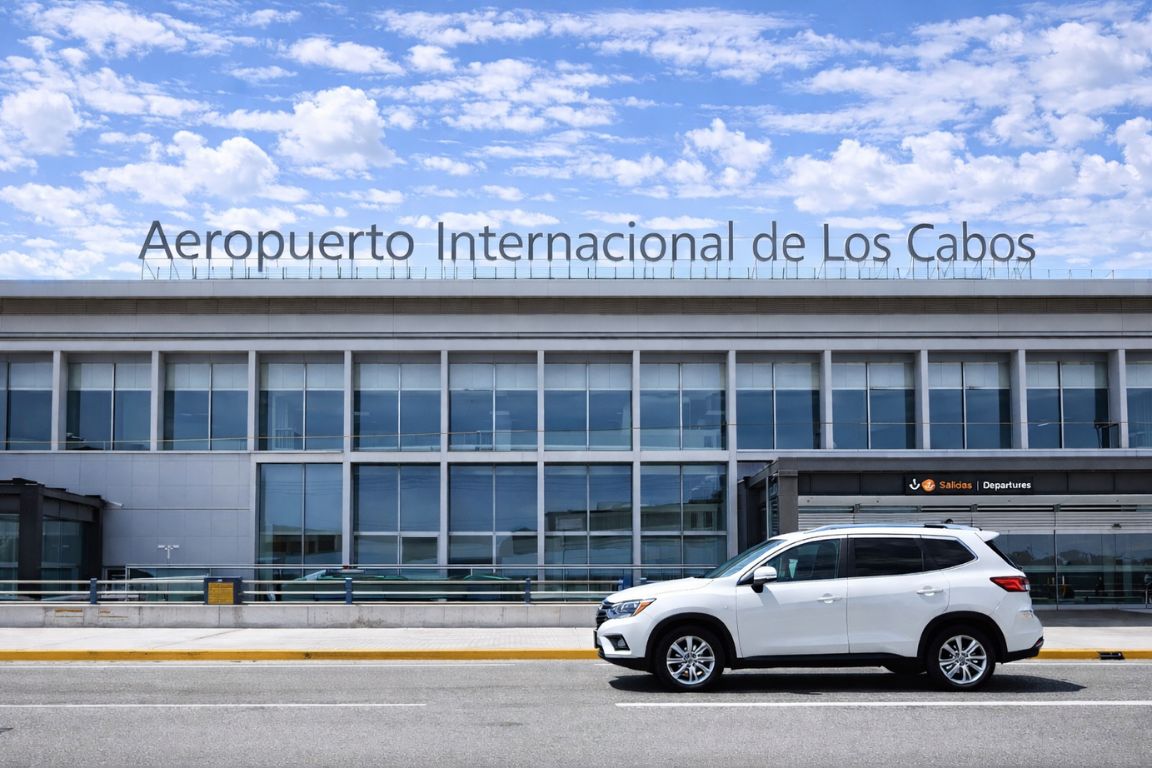 You’ll fly into Los Cabos International Airport (airport code SJD), located about 23 miles northeast of Cabo San Lucas. The drive from the airport to Cabo San Lucas takes 30-45 minutes depending on traffic and where exactly you’re staying.
Booking timing changes strategy depending on when you’re visiting. For peak whale watching season (February-March), book flights 8-12 weeks ahead, especially around Presidents Day weekend and Spring Break. Airlines know demand spikes, and prices climb as seats fill. I’ve watched roundtrip flights from LA to Cabo go from $280 in November (when nobody’s booking yet) to $450-550 by late January for the same February travel dates.
January whale watching trips need 6-10 weeks advance booking for best prices. December and April shoulder season flights stay cheaper and you can book 4-8 weeks out without major price jumps.
Last-minute flight bookings (1-3 weeks before travel) during peak season get expensive, sometimes $600-800 roundtrip from cities that normally run $300-400. You also risk limited seat availability or inconvenient flight times.
Airfares change frequently. Compare the total fare and schedule for your dates, and book when the option fits your budget and trip plan.
If you want the full picture, here’s our Cabo whale watching season calendar that maps out migration patterns throughout the year.
Direct flights versus connections creates a fundamental choice that affects your whole trip.
| Flight shape | Planning tradeoff | Verify before booking |
|---|---|---|
| Direct | Simpler arrival with fewer connection points. | Live fare, schedule, baggage, arrival time |
| One connection | May expand route choices but adds connection risk. | Connection time, terminal change, disruption terms |
| Two or more connections | Uses more of the travel day and adds more connection points. | Full itinerary, baggage transfer, overnight risk |
Direct flights make whale watching trips work better because you arrive fresh, not exhausted from 12 hours of traveling through multiple airports. A guest from Boston told me last month she saved $180 booking two connections instead of one connection. She left Boston at 6am, connected in Atlanta, then Dallas, arrived in Cabo at 8pm completely wiped out. Lost her entire arrival day to travel, went straight to bed, woke up tired, and her first whale watching tour the next morning felt harder than it should have because she was still recovering from travel.
Compare that to guests flying direct from LA, Phoenix, or Dallas who leave mid-morning, land in Cabo by early afternoon, check into hotels by 3pm, have time to explore or relax, get good sleep, and wake up energized for whale watching.
The hour or three you save with direct flights translates to better experiences, less stress, and actually enjoying your vacation instead of recovering from getting there.
Need help with logistics? Check out our complete guide on how to plan your visit to Cabo whale tours step by step.
Getting From Los Cabos Airport To Your Cabo San Lucas Hotel
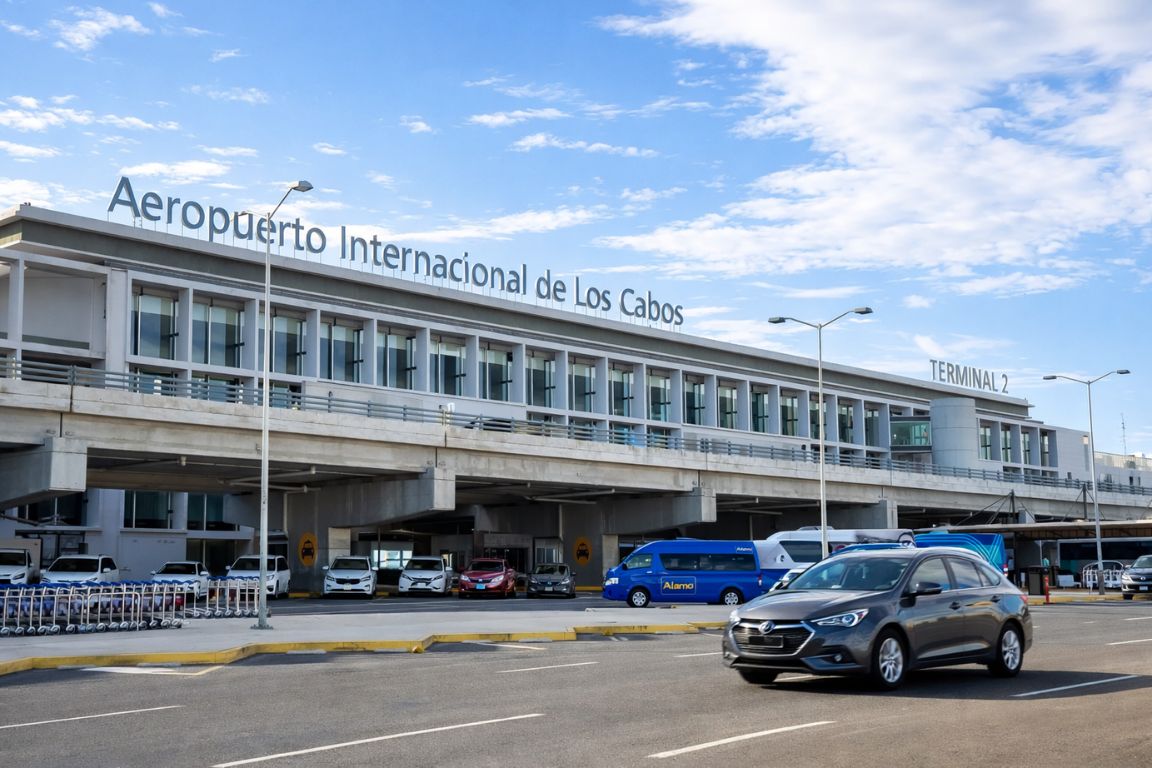 The drive from Los Cabos Airport (SJD) to Cabo San Lucas takes 30-45 minutes depending on exactly where your hotel is located. You have five main transport options ranging from $15 per person shared shuttles to $80+ private transfers, plus rental car pickup at the airport.
Shared shuttle services are the most popular budget option for getting from the airport to Cabo San Lucas hotels. Companies like Cabo Airport Shuttle, Gray Line, and others run vans that pick up multiple passengers heading to the same general area. You pay $15-25 per person one-way ($30-50 roundtrip), book online before your trip or sometimes at the airport, and share the ride with 6-12 other travelers.
Here’s how shared shuttles actually work. After collecting your luggage, you exit the terminal into chaos. Dozens of people holding signs, shouting offers, trying to sell you timeshare presentations disguised as “free transportation” (avoid these completely). Look for your shuttle company’s representative holding a sign with their logo or your name. Check in with them, they verify your booking, and direct you to the shuttle pickup area outside.
The shuttle waits until it fills with passengers or reaches a time limit (usually 20-30 minutes max wait), then departs. You might be the first hotel on the route (lucky you, 30-35 minute drive) or the last stop (unlucky, 60-75 minutes as the shuttle drops everyone else first). There’s no way to know ahead of time.
Shared shuttles work great if you’re traveling solo or as a couple, not in a hurry, and trying to save money. They’re less great for families with tired kids, anyone with tight schedules, or people arriving on late evening flights when you just want to get to the hotel and sleep.
Private-transfer prices, capacity, meet-and-greet service, luggage help, and stops vary by provider. Compare a current written quote with the per-person shuttle total for your group.
The math changes with group size. Solo traveler paying $70 for private transfer versus $20 for shared shuttle? Shared makes sense unless you really value convenience. Family of four paying $70 private versus $80 shared shuttle ($20 each)? Private wins easily because you save time, avoid the multi-stop route, and get door-to-door service for less money.
Some private-transfer operators offer a grocery stop when arranged in advance. Confirm the stop, its duration, and any fee with your chosen provider; shared-shuttle policies vary.
Rental car pickup at the airport involves finding your rental company counter inside the terminal (Hertz, Budget, Avis, National, and local companies all have desks), completing paperwork, and getting shuttled to the off-airport lot where you pick up your vehicle. The whole process takes 30-60 minutes depending on lines and how pushy the counter agent is about selling insurance.
Rental rates, insurance requirements, coverage, deposits, and fuel costs vary by provider and date. Review the current rental agreement and your existing coverage before comparing the full trip cost with transfers and taxis.
Whether a rental car helps depends on your hotel, wider itinerary, parking, insurance, and current total cost. Compare those details with confirmed transfer or taxi quotes for your own trip.
Rental cars DO make sense if you’re planning multiple day trips to distant locations like Todos Santos (70km), La Paz (140km), or remote beaches. If your itinerary includes whale watching plus extensive exploring beyond Cabo San Lucas, then the rental math changes. But most whale watching visitors don’t need cars.
Airport taxi locations and zone fares can change. Follow current airport signs or staff directions, confirm the fare before departure, and avoid treating a transport category as a safety guarantee.
The pricing feels like a scam compared to the return journey where regular taxis from Cabo San Lucas to the airport charge $40-60 for the same route. Airport taxis operate under different rules and captive audience economics. You pay the premium for showing up without advance booking.
Avoid the guys aggressively soliciting rides inside the terminal or immediately outside. Stick with the official taxi stands in the designated zones. The difference between legitimate taxis and scammers is sometimes subtle, so when in doubt, ask airport staff to point you to official taxis.
We’ve answered the question is whale watching in Cabo safe with details on what can go wrong and how reputable operators handle it.
App-based ride availability and airport pickup rules can change. Check the current app and airport instructions, and keep a confirmed alternative for a time-sensitive transfer.
Compare the live app estimate with a current taxi or transfer quote. Do not plan an airport connection around an old price or assumed pickup point.
Uber works much better for getting around once you’re in Cabo San Lucas versus using it for airport transfers. More on that in the getting around section.
| Method | Useful when | Confirm now |
|---|---|---|
| Shared shuttle | You accept shared stops. | Total fare, route, stops, luggage, child or access needs |
| Private transfer | Your group wants one reserved vehicle. | Capacity, total fare, stops, pickup point, cancellation terms |
| Rental car | Your wider itinerary benefits from driving. | Full rate, insurance, deposit, parking, fuel |
| Taxi or app-based ride | You want a point-to-point option. | Current pickup rules, live fare, vehicle fit |
Where To Stay In Cabo San Lucas For Easy Whale Watching Access
 Marina area advantages center on proximity to everything whale watching related. You can walk to tour departure points in 5-15 minutes from most marina-adjacent hotels. When your tour departs at 8:30am, you leave your hotel at 8:15am on foot instead of arranging taxis or worrying about traffic. After whale watching ends around 11am, you’re steps from dozens of restaurants for lunch. The marina area puts you in the heart of Cabo San Lucas action with restaurants, bars, shops, and nightlife all within walking distance. You save money on transportation because you rarely need taxis or Ubers. The convenience factor for whale watching specifically is unmatched.
Medano Beach combines beach and marina access for many visitors. Check current beach conditions and official warnings before swimming, and verify the walking or driving route from your exact hotel to the booked meeting point.
Tourist Corridor describes the hotel zone stretching along Highway 1 between San Jose del Cabo and Cabo San Lucas, about 12-20 miles from the whale watching marina. This is where you find the big all-inclusive resorts, luxury properties, and upscale developments. Beautiful beaches, excellent amenities, pools, spas, and resort services define the Corridor experience. The tradeoff is distance from whale watching tours. You need transportation to reach the marina, typically 20-40 minute drives depending on exactly where your resort sits on the Corridor. Taxis cost $25-40 each way. Some resorts offer shuttle services to downtown Cabo San Lucas. The Corridor works well for people prioritizing resort luxury, all-inclusive convenience, and beautiful grounds over proximity to whale watching. You spend more time and money on transportation but get premium resort experiences.
San Jose del Cabo sits on the opposite end of Los Cabos from where whale tours depart. This is the older, more authentic Mexican town with colonial architecture, art galleries, weekly art walks, and less touristy atmosphere. Hotels tend to be smaller boutique properties or charming local establishments rather than massive resorts. The catch for whale watching is distance: 45-60 minutes driving to Cabo San Lucas marina, sometimes longer with traffic. Taxis run $50-70 each way. Staying in San Jose makes sense if you value authentic Mexican culture, art scene immersion, and quieter atmosphere over whale watching convenience. It’s a poor choice if whale watching is your primary activity and you’re only in Cabo for a few days. The transportation time and cost add up quickly, eating into your vacation time and budget.
| Area | Tour logistics | Check for your stay |
|---|---|---|
| Marina area | May allow a walk to some meeting points. | Exact hotel route to Plaza Bonita or IGY Dock C |
| Medano Beach | May be walkable or a short ride. | Current route, beach conditions, check-in time |
| Tourist Corridor | Usually needs a transfer plan. | Catamaran pickup coverage or current marina-transfer quote |
| San José del Cabo | Needs confirmed hotel-to-tour logistics. | Arrange catamaran pickup 48 hours ahead or price your marina ride |
Practical recommendation for different traveler types: Short trips (3-4 days) focused on whale watching should stay in Marina or Medano Beach areas. The transportation savings and time efficiency matter more when you only have a few days. Walking to your 8:30am tour beats arranging taxis or shuttles when you’re maximizing limited vacation time.
Budget-conscious travelers do best near the Marina where walking eliminates taxi costs and cheap local restaurants outnumber expensive tourist spots. The money saved on transportation over a week ($100-200) nearly pays for an extra tour or upgrades your accommodation tier.
Families with kids benefit from Medano Beach location combining safe swimming, beach activities, and reasonable whale watching access. Kids can play at the beach all afternoon after morning whale tours without long drives back to distant resorts.
Luxury travelers prioritizing resort amenities over convenience should book Tourist Corridor properties and budget for transportation costs. The resort experience justifies the taxi expenses if pools, spas, and all-inclusive service matter more than location.
Culture seekers spending 7+ days in Cabo can consider San Jose del Cabo for authentic Mexican town atmosphere, but should limit whale watching to one or two tours maximum to avoid excessive transportation time and costs. Or stay in San Jose and enjoy its offerings, but understand whale watching becomes a full-day commitment with travel time.
Solo travelers and couples wanting nightlife, dining variety, and maximum walkability should choose Marina area. The concentration of restaurants, bars, and activities within walking distance creates the most vibrant experience.
Cabo San Lucas Transportation Costs And Budgeting
Build a transport budget from current quotes for the airport transfer, hotel-to-marina trips, parking, and any day excursions. The total depends heavily on hotel location and group size.
Airport transfer costs and included services vary by date, provider, route, and group size. Compare current written totals and cancellation terms before choosing shared or private transport.
Daily transportation costs depend entirely on where you stay and how much you move around. Staying near the marina and walking to your whale watching tour, restaurants, and activities costs $0 most days. Occasional taxis for distant restaurants or activities run $5-15 per trip. A typical day might include one or two taxi rides totaling $10-25.
A Corridor or San José del Cabo stay adds hotel-to-marina logistics. The verified catamaran includes pickup and drop-off when arranged 48 hours ahead; otherwise obtain a current transport quote to the stated meeting point.
App-based and taxi prices change with route, demand, and pickup rules. Compare live estimates and confirm where the driver can legally collect you.
If you rent a car, ask the hotel and marina for current parking availability, hours, and total fees before comparing costs.
Hidden costs add unexpected expenses that catch unprepared visitors. Parking fees at hotels charging $15-25 daily turn a $450 weekly rental car into a $555 total when you add $105 parking charges. Marina parking for visitors driving in costs $20-30 if you arrive at 8am for whale watching and don’t leave until evening after exploring and dining downtown.
Toll roads between the airport and hotels charge $2-5 depending on route, included in taxi/shuttle fares but additional expense when driving rental cars. Hotel parking charges appear as surprise line items on checkout bills for properties that don’t disclose parking fees upfront during booking. Some Tourist Corridor resorts charge $20-35 daily parking even though you’re a guest, particularly at higher-end properties.
Gas for rental cars costs more than many US visitors expect, running about $1.10-1.30 per liter ($4.20-4.90 per gallon). A week of moderate driving (airport roundtrip, few excursions) burns $40-60 in fuel.
Tips for drivers and shuttle services add 10-15% to costs. A $70 private transfer should include $10-12 tip. Taxi drivers expect $2-3 tips on short rides, $5-10 on longer trips. These small amounts accumulate across a week.
Need a solid recommendation? Here are the best Cabo whale watching tours that consistently deliver – from budget to premium.
Money-saving strategies dramatically reduce transportation spending without sacrificing experience quality. Walking eliminates costs entirely for distances under 20 minutes. Marina to Medano Beach takes 15-20 minutes walking along the waterfront, saving $8-10 in taxi fares each direction. Walking to whale watching tours from nearby hotels saves $10-20 daily versus staying far away requiring taxis.
Taking taxis makes sense for distances over 20 minutes walking, late night returns when walking feels unsafe, or when carrying beach gear and tired kids. The $8-15 spent on a 10-minute taxi ride beats 30 minutes walking in heat while exhausted from whale watching and sun exposure.
Staying near the marina represents the single biggest money-saving transportation strategy. A marina-area hotel at $150 per night plus minimal taxi costs ($20-40 total week) costs less overall than a Corridor resort at $130 per night requiring $200-300 weekly in transportation to access Cabo San Lucas activities.
Sharing taxis with other travelers you meet cuts costs in half. Couples returning to the same Corridor resort after dinner can split a $35 taxi, paying $17-18 each instead of $35 separately.
Avoiding tourist trap transportation includes ignoring timeshare presentation offers disguised as free or cheap rides, declining overpriced “VIP” transport services sold at the airport, and walking past aggressive transport touts to find legitimate options.
Using Uber instead of taxis saves 15-25% on identical routes when the app works reliably. For frequent short trips around Cabo San Lucas, Uber savings add up to $30-50 weekly compared to taxis.
| Budget item | What to include |
|---|---|
| Airport transfer | Whole-group current quote, luggage, stops, cancellation terms |
| Tour-day transport | Hotel to the exact meeting point and return |
| Rental-car extras | Insurance, deposit, parking, fuel, tolls if applicable |
| Contingency | Alternative ride for delayed or unavailable service |
Transportation For Families, Seniors, And Travelers With Special Needs
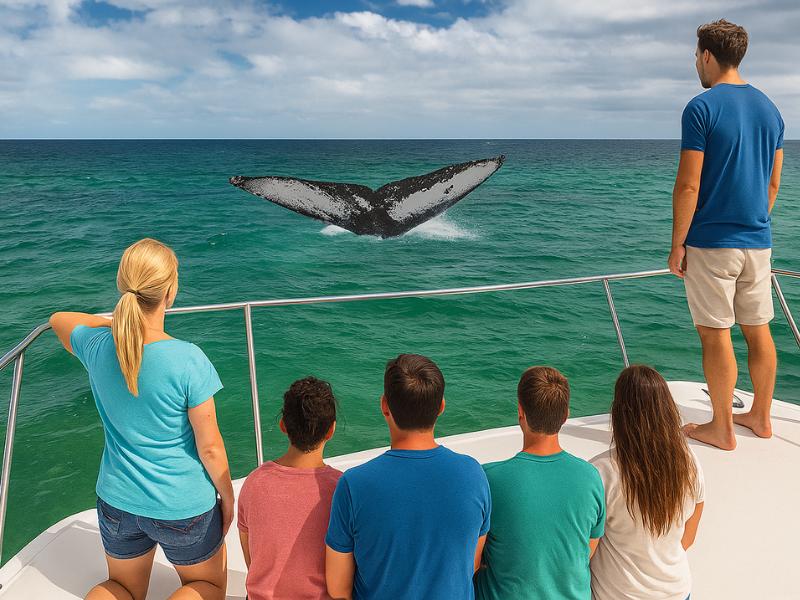
Family transportation requires advance planning for child restraints, stroller space, and luggage. Check current local requirements and ask the transfer or rental provider to confirm the exact restraint and vehicle before travel.
Shared airport shuttles accommodate families but space gets tight with car seats, strollers, luggage, and multiple passengers. Installing car seats in shuttle vans while other passengers wait creates stress and delay. Private transfers work better for families because drivers help install car seats properly, you control the space, and there’s room for strollers and gear without cramming.
Child-seat availability varies by vehicle and provider. Confirm current local requirements and reserve the correct restraint with a transfer or rental provider before travel.
Stroller-friendly transportation matters for families with toddlers or infants. Collapsible strollers fit in most taxi trunks and private transfer vehicles. Large jogging strollers or double strollers create challenges in smaller vehicles. Hotels near the marina allow families to walk with strollers to whale watching tours, avoiding vehicle transportation entirely for that activity.
Senior considerations focus on accessibility, comfort, and minimizing physical demands. Long walks from parking areas to destinations, stairs at hotels without elevators, and uneven sidewalks around Cabo San Lucas create mobility challenges for seniors with limited walking ability or balance issues.
Private transfers provide the most comfortable senior-friendly airport transportation. Drivers assist with luggage, vehicles have easier entry/exit than high-step shuttle vans, and direct hotel drop-off eliminates walking with bags. Shared shuttles require navigating steps into vans, potential long waits, and multiple stops extending journey time when seniors are tired from flights.
Staying near the marina eliminates taxi dependency for whale watching, but Cabo San Lucas sidewalks are uneven with occasional broken pavement and curb height variations. Seniors with walking difficulties should request hotel locations with flat, well-maintained walking routes to the marina or consider hotels offering shuttle services to tours.
Taxis and Ubers work well for seniors avoiding walks, providing door-to-door service for restaurants and activities. Private car services booked through hotels offer the smoothest experience with drivers accustomed to senior passengers who need extra time entering/exiting vehicles.
Vehicle accessibility varies by provider and vehicle. Ask for written confirmation of ramp or lift access, tie-downs, transfer assistance, luggage space, and the exact pickup route before booking.
Ask accessible-transfer providers for current availability, vehicle specifications, assistance details, and a written quote. Reserve only after the provider confirms the full route and your equipment needs.
Rental companies offer hand-control vehicles for drivers with lower-body mobility limitations, but availability is extremely limited and must be arranged months ahead. Standard rental cars don’t accommodate passengers in wheelchairs unless they can transfer to regular seats.
Wheelchair accessibility around Cabo San Lucas itself proves challenging. Sidewalks have curb cuts inconsistently, uneven pavement creates obstacles, and many restaurants and shops have steps without ramps. Marina areas near whale watching tour departures have some accessible paths but not comprehensive accessibility. Tour boats themselves vary in wheelchair accessibility, with most small whale watching boats requiring steps to board that wheelchair users cannot navigate. Some larger tour boats offer wheelchair access, but availability is limited and must be verified during booking.
A family from Oregon with an 82-year-old grandmother planned their Cabo whale watching trip perfectly. They booked a private airport transfer in advance, specifically requesting a vehicle with easy entry (no high steps) and luggage assistance. They chose a hotel in the Marina area that was both ground-floor accessible and within a 10-minute flat walk to the whale watching departure point along the waterfront path. They verified with their whale watching operator that the boat had handrails and minimal steps for boarding. The grandmother used a walking cane but didn’t need a wheelchair. They arranged taxis through their hotel concierge for evening dinners rather than attempting long walks at night. The careful advance planning meant the grandmother enjoyed the entire trip including the whale watching without mobility issues creating stress or limitations.
Traveling with family or a small group? These private Cabo whale watching charter experiences let you customize the itinerary instead of following a set schedule.
FAQ: Cabo Whale Watching Transportation
1. What airport do you fly into for Cabo whale watching?
Los Cabos International Airport (airport code SJD), located about 23 miles northeast of Cabo San Lucas. All major airlines serving Cabo use this airport. The drive to Cabo San Lucas takes 30-45 minutes depending on your hotel location.
2. How far is the airport from Cabo San Lucas?
23 miles (37 kilometers) from the airport to Cabo San Lucas, taking 30-45 minutes by car depending on traffic and exact hotel location. Marina area hotels are typically 30-35 minutes, while Tourist Corridor resorts can be 20-30 minutes since they’re between the airport and Cabo San Lucas.
3. Is Uber available in Cabo San Lucas?
App-based ride availability, price, and pickup rules can change. Check the live app and current airport or hotel instructions, and keep a confirmed alternative for a timed marina departure.
4. Do I need a rental car for whale watching in Cabo?
A rental car may or may not help depending on the hotel, wider itinerary, parking, and current total cost. Compare it with confirmed airport and marina-transfer quotes.
5. How do I get to the marina for my whale watching tour?
Use a current map for the exact hotel and booked meeting point, then allow the check-in time stated in the confirmation. For the catamaran, arrange included pickup with the operator 48 hours ahead.
6. How much does a taxi cost from the airport to Cabo San Lucas?
Confirm current taxi, shuttle, and private-transfer totals directly. Compare the whole group price, luggage and child-seat needs, stops, cancellation terms, and actual pickup point.
7. Can I walk from my hotel to the whale watching marina?
Walking and driving time depends on the exact hotel, route, traffic, and meeting point. Check a current map and the booking confirmation rather than using fixed area-wide times.
8. What’s the best way to get around Cabo San Lucas?
Choose walking, taxi, an app-based ride, or an arranged transfer from the exact route and current quote. Keep a confirmed option for a timed departure.
Glossary: Cabo Transportation Terms
SJD Airport (Los Cabos International Airport): The airport serving Los Cabos, located 23 miles northeast of Cabo San Lucas. Airport code SJD. All commercial flights to the Cabo area use this airport. The drive to Cabo San Lucas takes 30-45 minutes depending on hotel location and traffic.
Marina: The harbor in Cabo San Lucas where whale watching tours depart and return. Located in downtown Cabo San Lucas near restaurants, shops, and hotels. Most tours meet at specific docks or booths within the marina area 15-30 minutes before departure time.
Shared shuttle: a multi-party transfer whose stops, duration, luggage rules, and fare vary. Confirm the current service and total before booking.
Private transfer: a vehicle reserved for your group. Confirm current capacity, luggage, child-seat or access needs, stops, fare, and cancellation terms in writing.
Tourist Corridor: The 20-mile hotel zone along Highway 1 between San Jose del Cabo and Cabo San Lucas, filled with all-inclusive resorts and luxury properties. Located 12-20 miles from the whale watching marina, requiring 20-40 minute drives and $25-40 taxis each way to reach Cabo San Lucas activities.
Timeshare Presentation Taxi Scam: Aggressive sellers at the airport offering free or very cheap transportation in exchange for attending timeshare presentations. These “deals” waste 90-120 minutes of your vacation in high-pressure sales pitches. Avoid anyone offering free rides or transportation deals at the airport arrivals area.
Airport taxi arrangements and zone fares can change. Follow current airport directions and confirm the fare before departure.
Ready To Plan Your Cabo Whale Watching Transportation?
Choose transport from the exact hotel, meeting point, group needs, and current total. The verified small-group trip meets at Plaza Bonita, the private charter meets at IGY Dock C, and the catamaran transfer must be arranged 48 hours ahead.
After you book a small-group marina tour, use the confirmation for dock instructions and plan the walk or taxi from your hotel. Marina and Medano hotels are a walk or a short taxi from departure; Corridor and San Jose stays need a planned transfer — compare marina-based options on our best Cabo whale watching tours list if you have not chosen one yet.
Departure points differ by product. The verified small-group trip meets at Plaza Bonita, the private charter meets at IGY Dock C, and the catamaran's pickup must be arranged with the operator 48 hours ahead. Use the booking confirmation for the exact meeting instructions.
Choose a Cabo whale watching tour to get marina directions and a meeting time you can match to your hotel and airport transfer plan.
The whales don’t care how you got to Cabo. They just show up and breach. Your job is getting the transportation logistics handled so you can focus entirely on the experience.
From the guides at Cabo Whale Tours who’ve helped thousands of visitors figure out Cabo transportation over the years, from first-timers confused about airport options to returning guests who’ve learned exactly which shortcuts work and which don’t.