Is Whale Watching In Cabo Worth It?
Whale-watching trip length, format and current price vary by product. This is the value math: what the verified inclusions put on the boat, when a whale trip fits the season, when it is a poor buy, and who gets the most from it.
Whale watching is worth paying for when the season, format and included logistics match what you want from the morning. Use the article to judge concrete value before the complete comparison after the FAQ. Compare The Cabo Tour Options Below →
The biologist trip offers a focused 2.5-hour watch with a 12-guest cap and photos. The catamaran adds a meal, bar and arranged hotel transfers, while the coastal yacht is the non-whale option outside the season.
Is Whale Watching In Cabo Worth The Money?
For most visitors traveling from January through March, it can be worth it when the boat format matches their priorities. December and April need a live date check. From May through November, plan a coastal outing rather than a whale trip. Check the current listing for price, availability and any product-specific sighting policy.
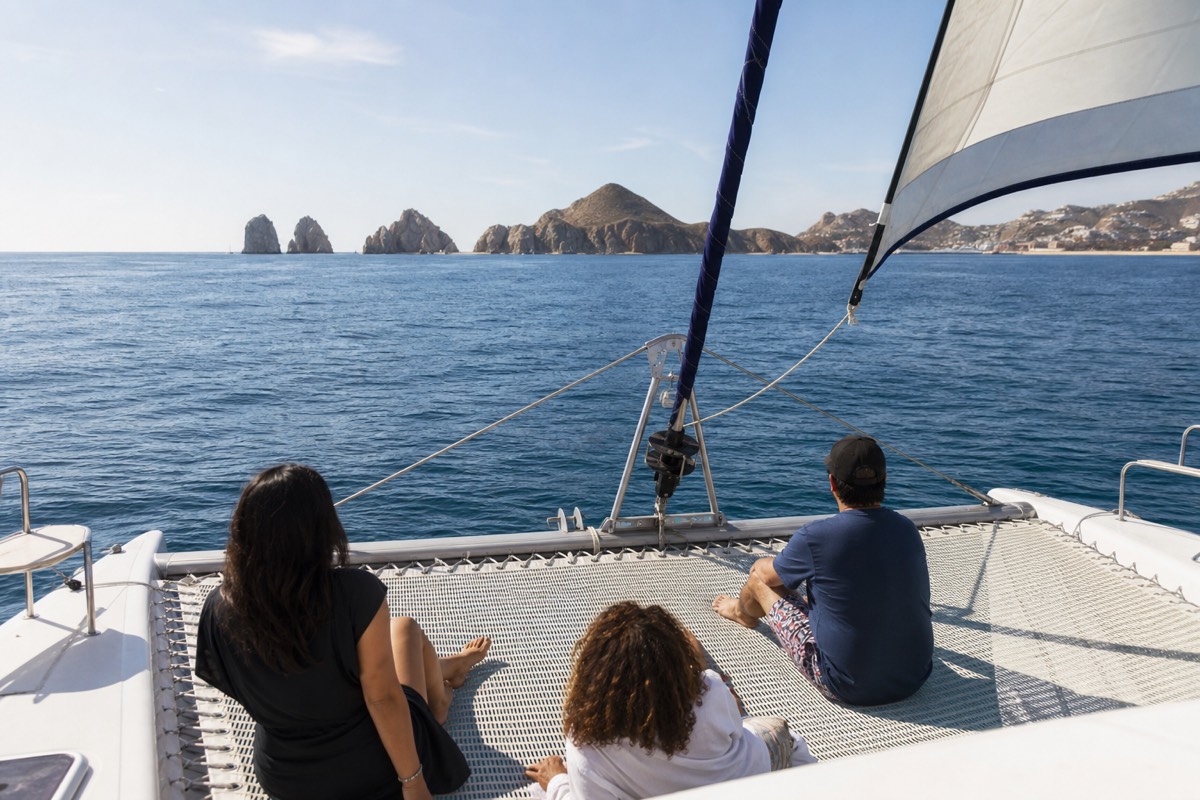
Seasonal fit matters before price. January through March is the clearest planning window; December and April require an exact date check. Compare the complete current totals only after deciding which verified trip format fits.
Season first. Boat second. Time of day third. Get that order right and the two hours pay for themselves.
What Does A Shared Whale-Watching Trip Include?
The verified biologist-led trip runs 2.5 hours, caps the group at 12 and includes photos, water, a restroom and a hydrophone when conditions allow. The verified catamaran runs two hours on the water and includes a light meal, a domestic bar and hotel transfers arranged at least 48 hours in advance.
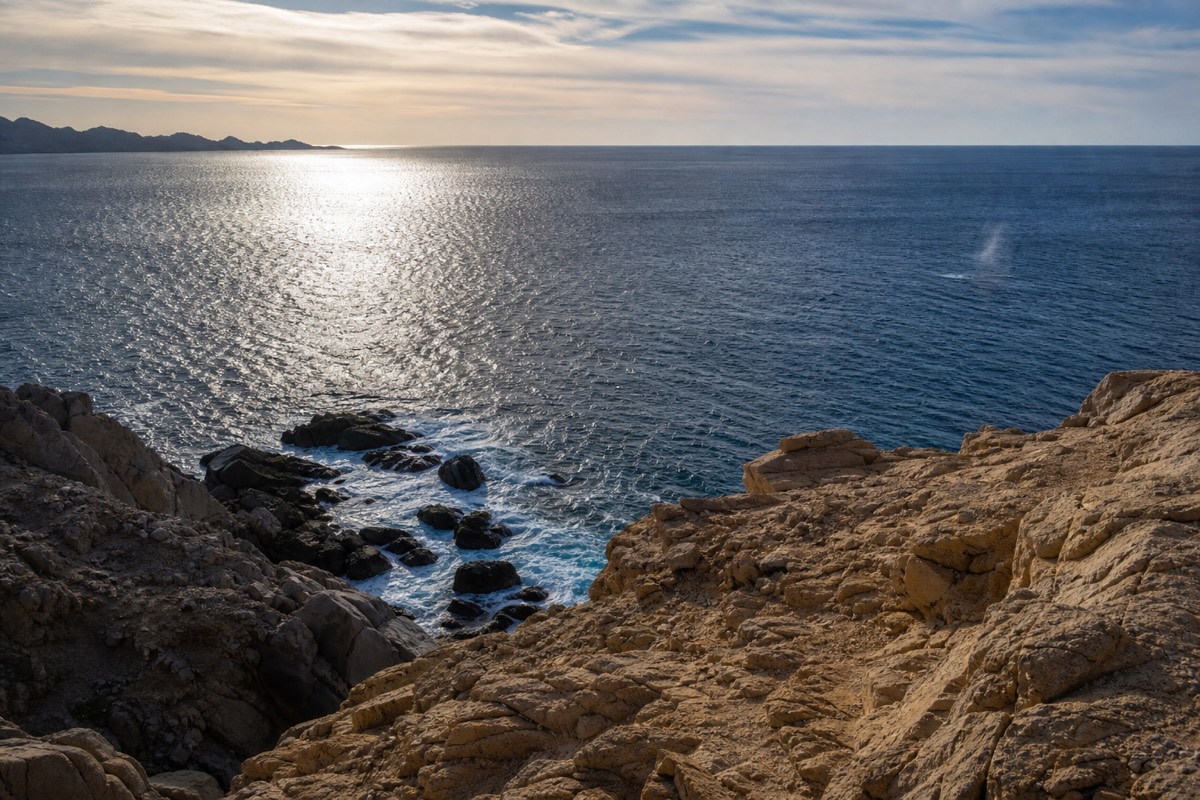
| Verified shared trip | Duration | What is included | Logistics |
|---|---|---|---|
| Biologist-led boat | 2.5 hours | Photos, water, restroom; hydrophone when conditions allow | Maximum 12; Plaza Bonita meeting |
| Catamaran | 2 hours on the water plus transfers | Light meal and domestic bar | Hotel pickup/drop-off arranged at least 48 hours ahead |
The verified products divide by experience rather than a fixed price band. The biologist-led trip lasts 2.5 hours and caps the group at 12; the catamaran lasts two hours on the water and adds arranged hotel transfers, a light meal and a domestic bar.
So the value question turns into a preference question. Photographs and explanation point at the small group and zodiac boats. A slow morning with food and a drink in hand points at the catamaran, the breakfast cruise or the pirate ship. If you want the full ladder from budget seat to private charter, which whale watching tour to book sets the options side by side.
What Do You Realistically See At The January And February Peak?
January through March is the clearest planning window, but no listing can promise the species count, behavior or a close sighting. The hydrophone on the biologist-led trip is used when conditions allow.
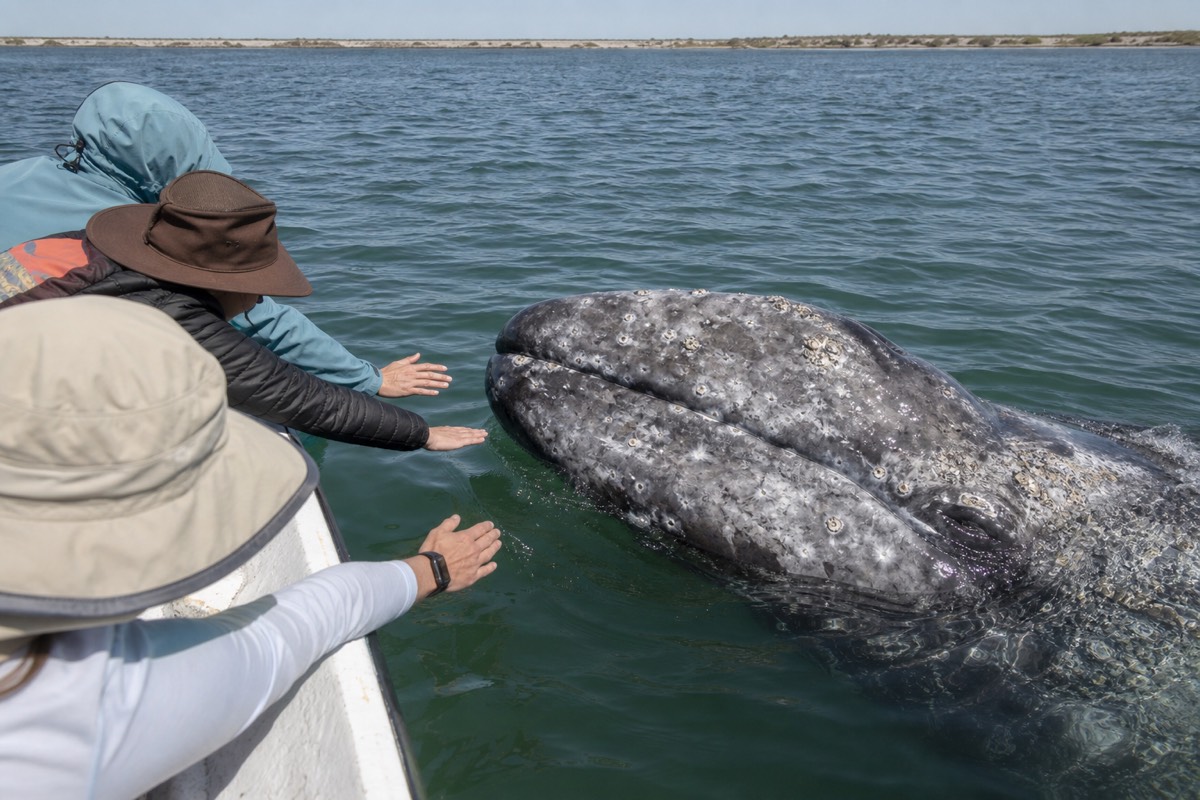
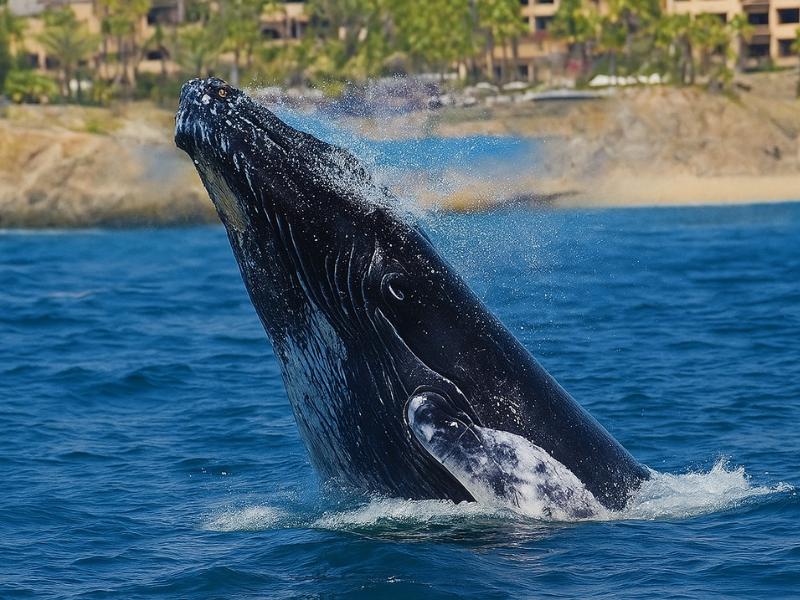
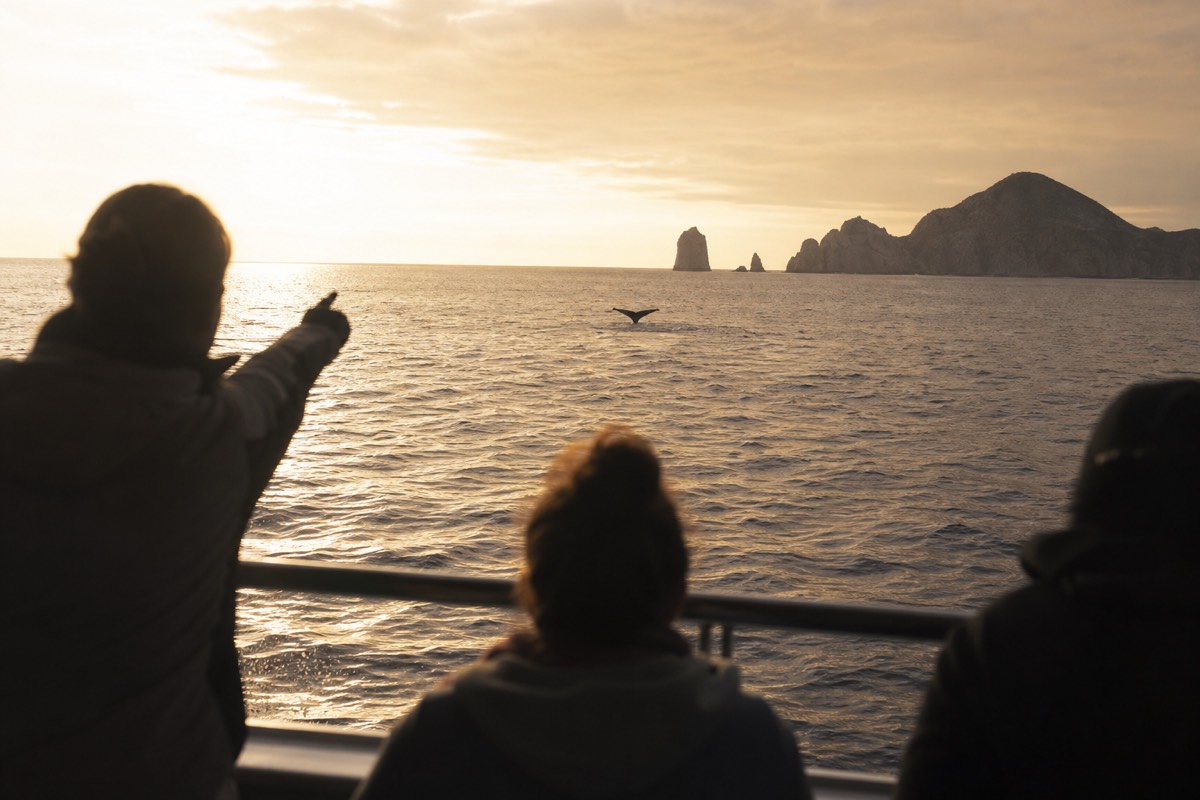
A real sighting rarely begins with a whale beside the rail. It begins with a blow in the distance, the captain repositioning, and then a slow read of where the animal will surface next. Sometimes the whale closes the gap on its own. Sometimes it stays out at viewing distance for the whole encounter and the biologist talks you through what it is doing and why.
No listing can promise a close breach, and any that did would be selling something the animals do not agree to. Mexican rules set how a licensed boat may approach, permits are displayed on board, and the whale controls the last hundred metres. That is exactly why the calendar carries more weight than the vessel: more whales in the water means more chances that one of them chooses to come over.
March trades the mating behaviour of midwinter for mothers moving slowly with calves. If your dates can still shift, the best time to see whales in Cabo breaks the odds down month by month.
When Is A Cabo Whale Watching Tour Not Worth It?
Three situations. November sits outside the recommended whale-planning window. For December or April, confirm that the selected whale product operates on your exact date. Anything from May through November, when the whales are feeding far to the north. And a 2:30pm departure for a seasick prone traveller who has not prepared, because afternoon seas run choppier than the 8am boats.

November is the trap month. The weather is lovely, the marina is selling tickets, and the whales have mostly not arrived. December and April can still fit a whale-watching trip, but operating dates and wildlife outcomes vary. Confirm the exact date on the live product before planning the day around whales.
The seasickness case is fixable rather than fatal. Morning departures leave on the calmest water of the day, whales are active after the night, and the light flatters every photograph. Afternoon boats are warmer, sometimes show more surface activity, and cost exactly the same. If chop worries you, read up on seasickness on a small boat before you pick a slot rather than after.
One more case. If you came to watch behaviour in relative quiet, an open bar party boat is the wrong purchase at any price, and the $14 saved will not feel like a saving at 9am.
Who Gets The Most Out Of The Two Hours?
First time visitors travelling between January and March, families with school age children, and anyone who cares more about behaviour than about a drinks package. The travellers who feel short changed are usually those who booked outside the season, arrived expecting to swim with whales, which is not permitted here, or picked a party deck when they wanted a biologist.
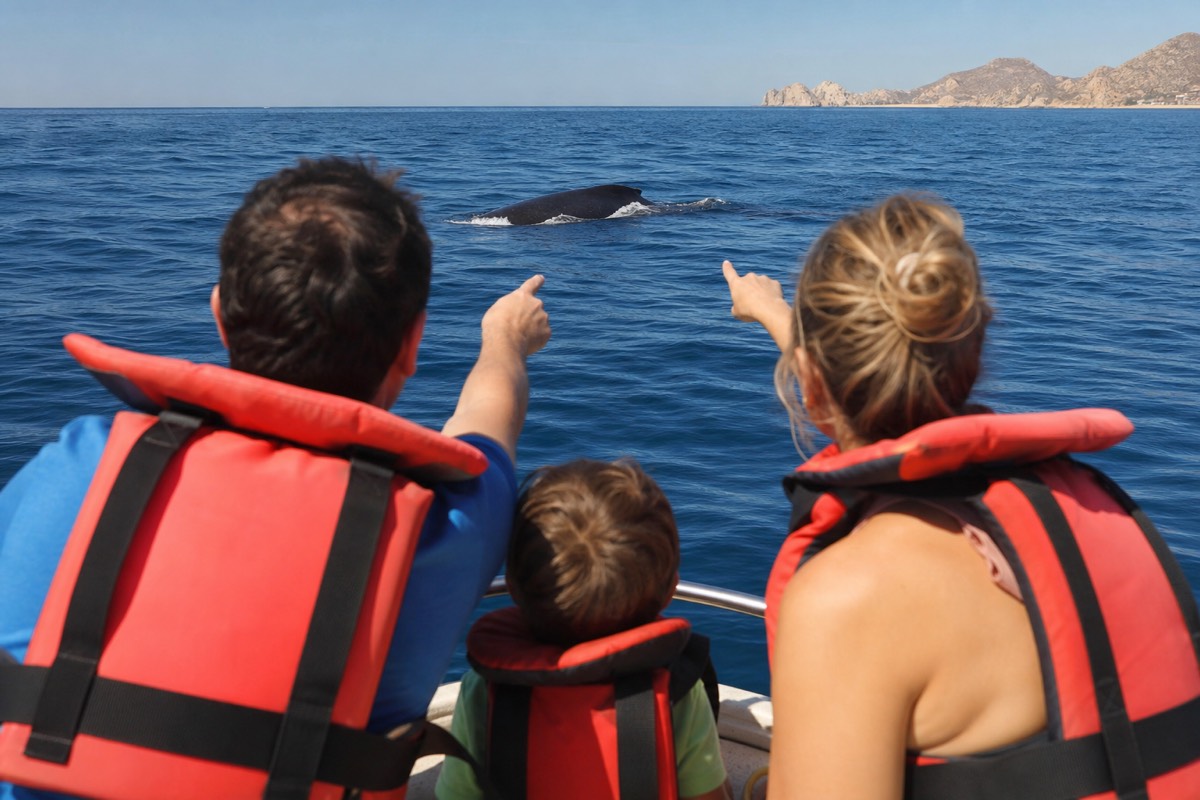
| Traveler priority | Best verified fit | Reason |
|---|---|---|
| Small group, interpretation and photos | Biologist-led boat | Maximum 12, biologist format and photos |
| Hotel transfers, meal and bar | Catamaran | Pickup arranged in advance and onboard inclusions |
| December or April travel | Date confirmation before choosing | Product operation must be checked for the exact date |
| May through November | Coastal outing | Do not present a coastal trip as whale watching |
Notice which line is the outlier. Every row except the last one is a question of taste; the last one is a question of arithmetic, and arithmetic wins.
How Do You Get The Most Out Of The Money?
Choose an available January-through-March date that fits the group, then read the current cancellation and any sighting-policy terms before paying. No lead time or departure slot guarantees availability or whale behavior.
January through March is the strongest general window, but only the live listing can show current availability. For December or April, confirm that the product runs on the exact date before committing.
The verified biologist-led trip meets at Plaza Bonita and lasts 2.5 hours. The catamaran runs two hours on the water plus transfer time. Confirm the meeting or pickup plan before departure, bring a windproof layer and follow the crew's viewing-distance instructions.