Can You Swim With Whales In Cabo?
Swimming with whales is off the table in Cabo, and the reason is a specific set of Mexican approach rules protecting a winter nursery. Here is what the regulation says, how boats behave instead, and where in-water encounters are actually legal.
The paid choices split cleanly: watch whales from a Cabo boat, swim with whale sharks on a separate La Paz day, or snorkel at a coastal stop on a private charter. These prompts keep those experiences distinct. Compare The Cabo Tour Options Below →
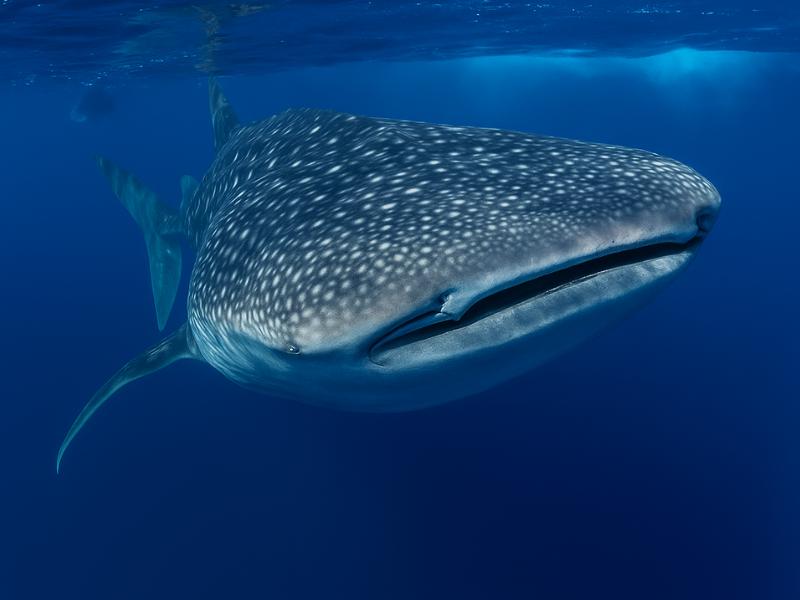
There is no verified humpback-swimming product. The in-water wildlife option is a 10-hour La Paz whale shark day from Cabo for guests age eight and older; Cabo whale watching remains boat-based, while the private charter’s snorkeling is a separate coastal activity.
Can You Swim With Whales In Cabo?
The verified Cabo whale-watching options are boat-based. For an in-water wildlife trip, the relevant featured product is whale-shark snorkeling in La Paz; confirm the operating date, permit status, and current rules with the operator before booking.
Rules and permits vary by place and can change. Do not treat an unverified offer as permitted; ask the operator for its current authorization and follow the official briefing for your departure.
The featured whale-watching options keep passengers aboard. Ask the operator to confirm its current permit and explain the approach rules for the departure; wildlife proximity is never guaranteed.
Why Does Mexico Ban Swimming With Whales Here?
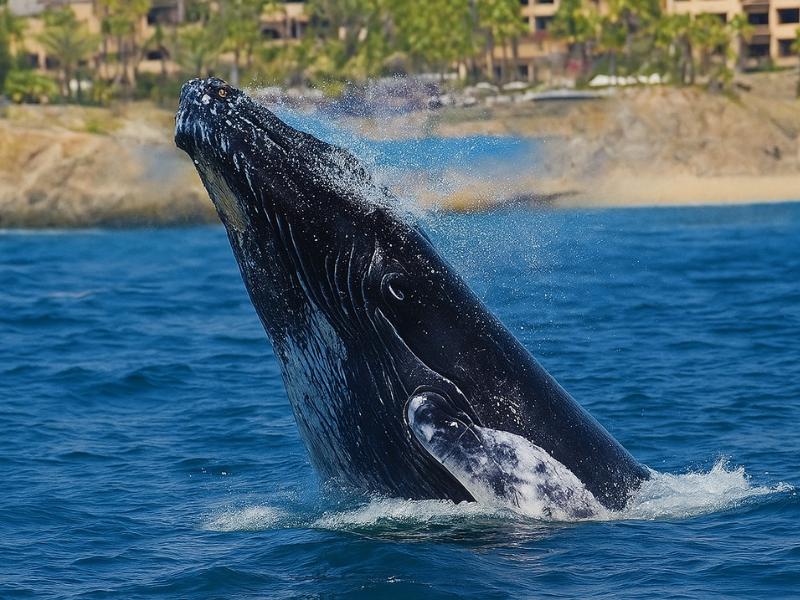
Because Baja's winter waters are a nursery, not a viewing attraction. Humpbacks and gray whales travel thousands of miles to breed and give birth here, and newborn calves spend the season learning to breathe, feed and swim. Mexican regulation, administered through SEMARNAT permits and the NOM-131 approach standard, protects that behavior.
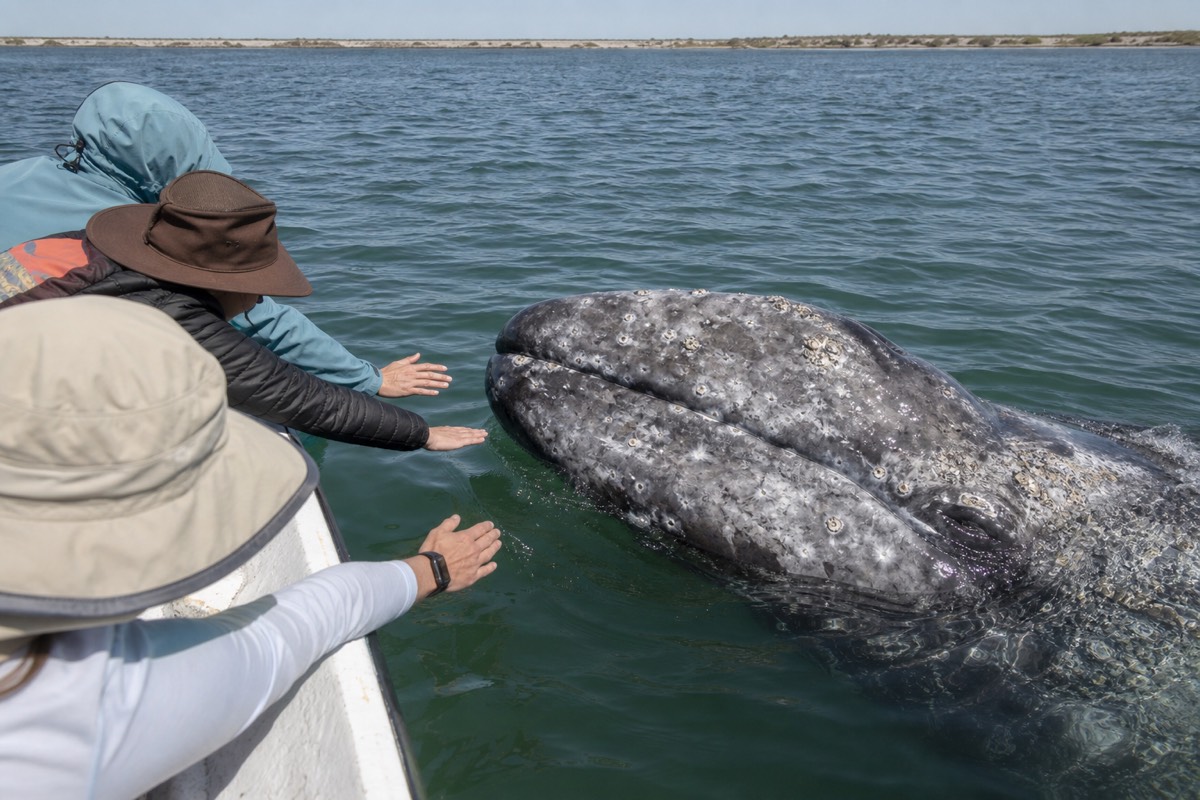
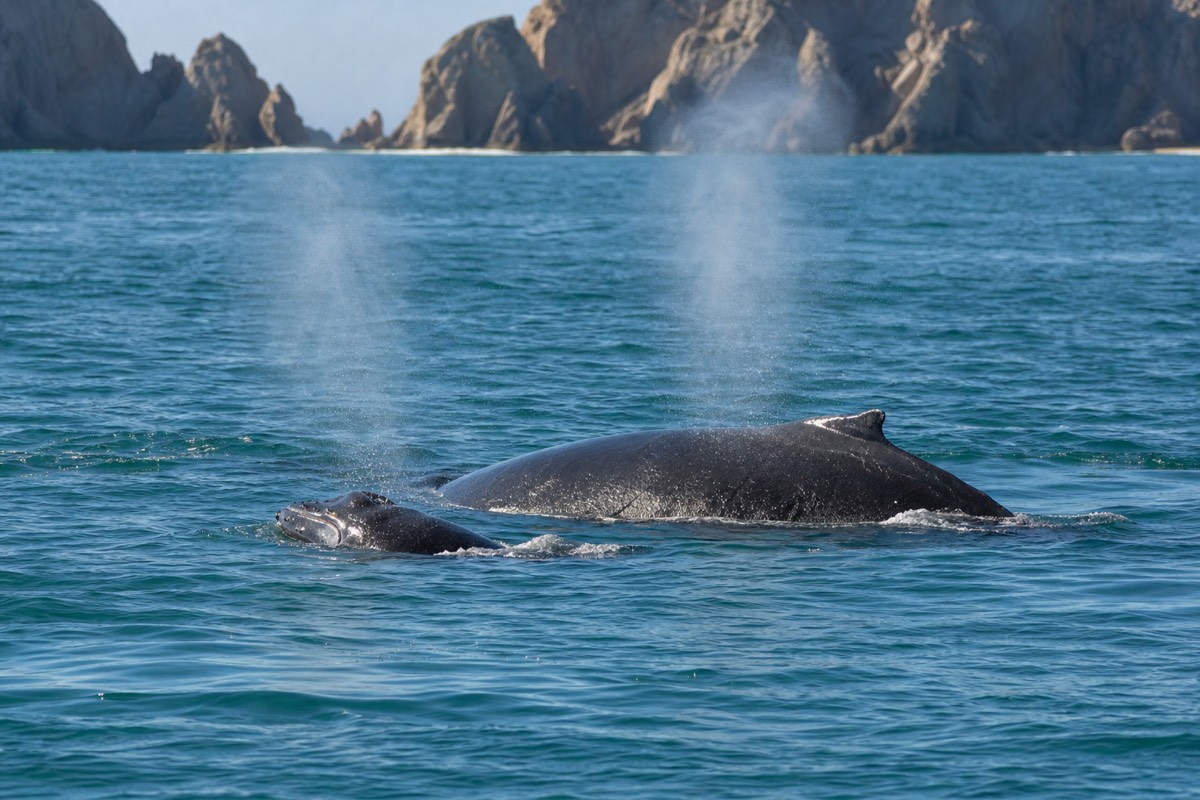
The specific worry is disturbance to mother and calf pairs. A calf that spends energy avoiding swimmers is a calf not putting on the weight it needs before a long northward migration. Repeated disruption also pushes animals out of the sheltered water they chose for a reason. None of this shows up as visible harm on any single trip, which is exactly why it is handled by rule rather than by judgement in the moment.
There is a human side too. An adult humpback is a very large animal with a great deal of momentum, and the same fluke that makes a spectacular tail slap is not something to be in the water beside. The regulation removes an entire category of risk from the equation. Our guide to how safe whale watching in Cabo is covers the rest of the safety picture, from boat standards to sea conditions.
What In-Water Encounter Is Legal Near Cabo?
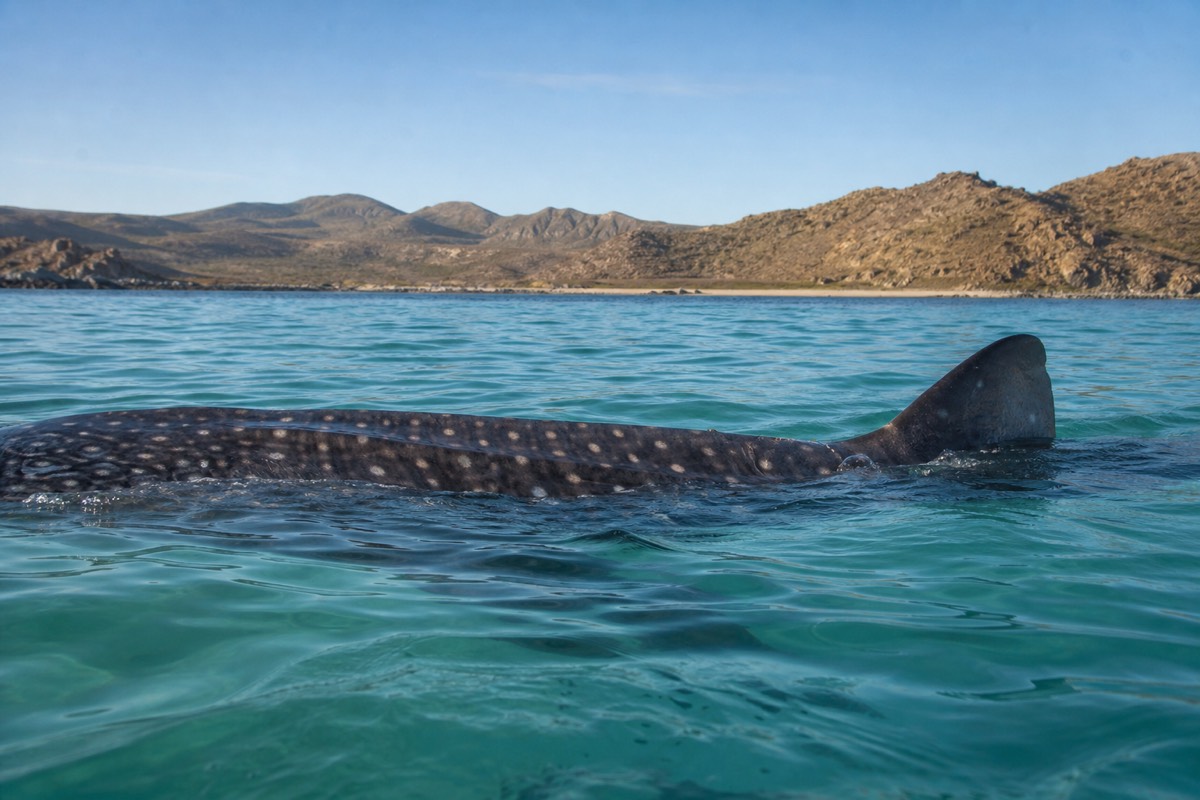
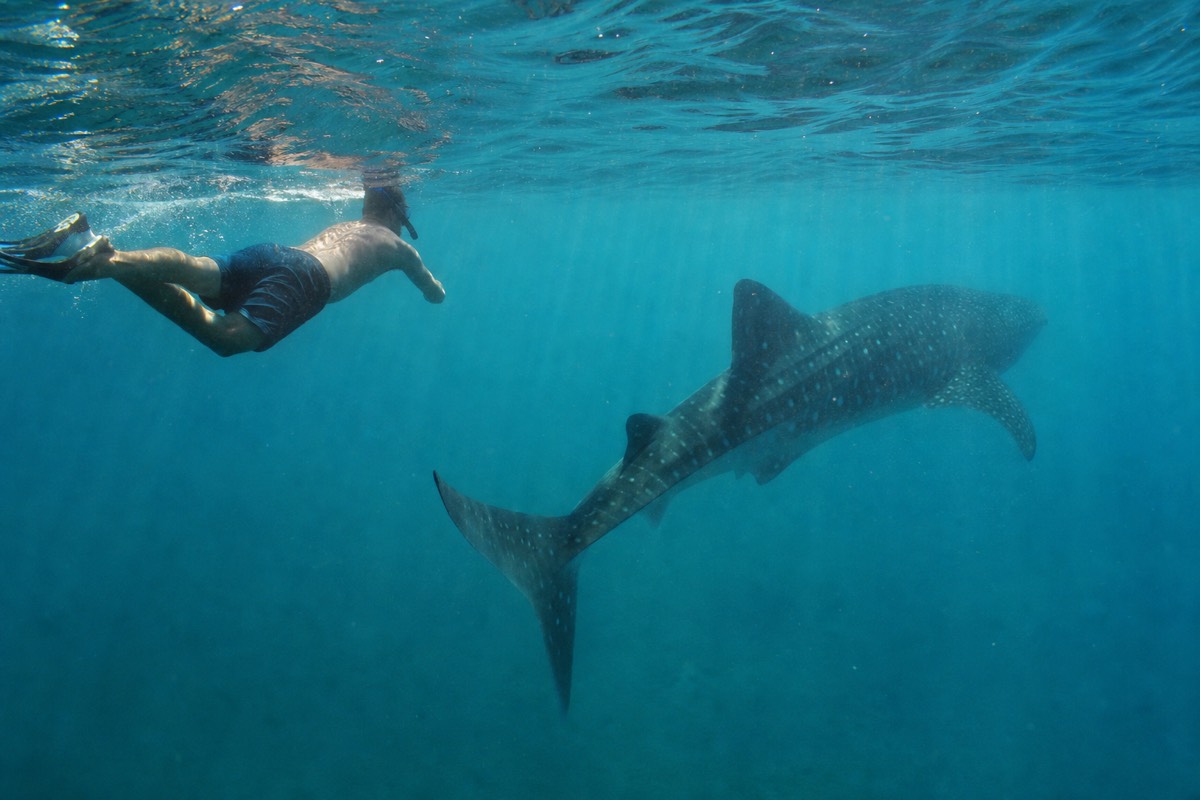
The verified whale-shark trip runs to La Paz as a ten-hour day with round-trip Cabo transport, English- and Spanish-language guidance, and a group capped at ten. It has a minimum age of eight, sightings are not guaranteed, and the exact operating date and permit status need confirmation.
| Question | Cabo whale watching | La Paz whale-shark trip |
|---|---|---|
| Activity | Wildlife viewing from a boat | In-water whale-shark snorkeling |
| Verified duration | 2 to 3 hours across featured whale products | 10-hour day from Cabo |
| Where it starts | Product-specific Cabo marina or arranged transfer | Round-trip Cabo transport included |
| Eligibility | Check each product’s child, medical and access limits | Minimum age 8; listed pregnancy, back/neck, mobility and wheelchair exclusions |
| Wildlife and dates | Jan-Mar match; confirm December or April | Confirm date, current permit and conditions; sightings not guaranteed |
The planning windows can overlap, but live whale-shark operation for a selected date must be confirmed. If the in-water encounter is the goal, use the La Paz guide and do not substitute a whale-watching product when the swim is unavailable or unsuitable.
Where Does Snorkeling Happen On A Cabo Boat Trip?
At the reef spots, and never near whales. Pelican Rock sits just inside Land's End, with Chileno Bay and Santa Maria Bay along the corridor toward San Jose del Cabo. Yacht and private charters build a snorkel stop into the itinerary at one of those, separately from the whale watching portion of the day.
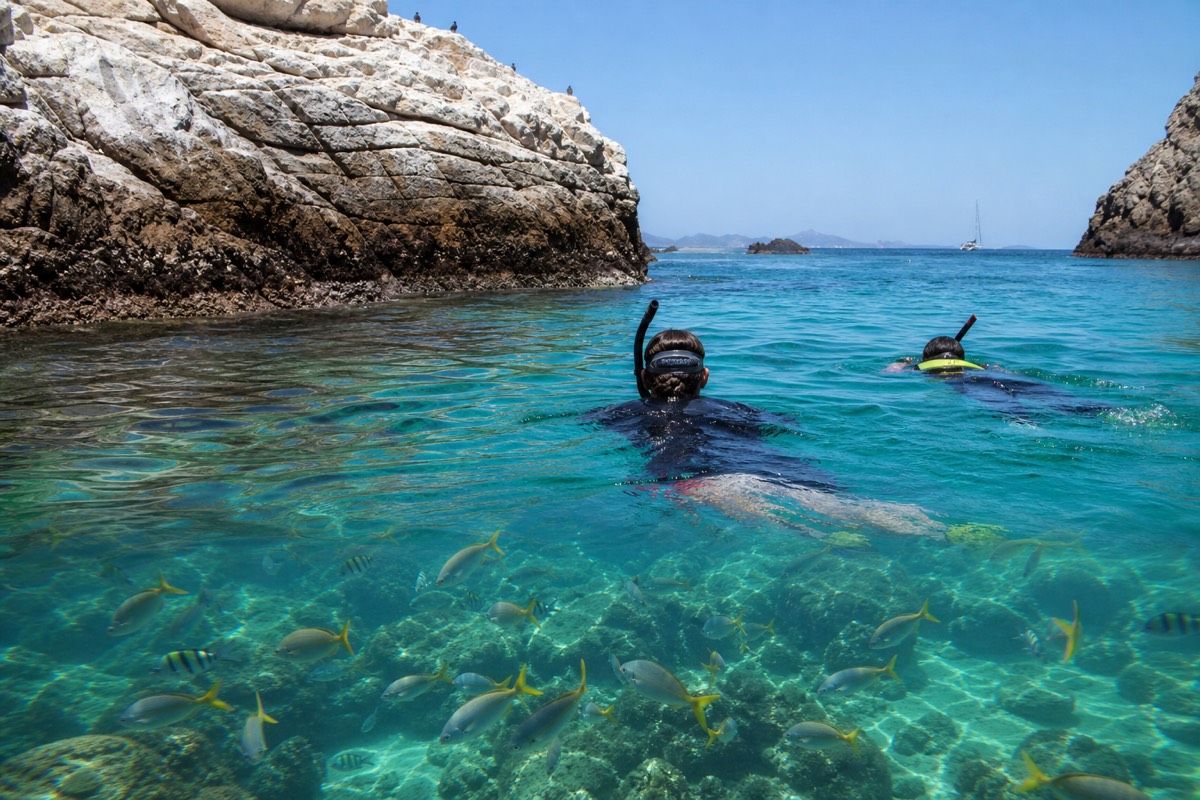
The sequencing matters and it is deliberate. A three-hour private charter will typically run the whale watching leg first, out past El Arco and into open water, then move to a sheltered bay and drop anchor before anyone gets wet. The two activities happen in different places for the simple reason that whales are in open water and reef fish are not.
Water conditions and included snorkeling gear vary by date and product. The verified private charter includes snorkel equipment; confirm thermal protection, swim stop, and the assigned vessel before booking.
How Do The Boats Behave Around Whales Instead?
The captain and guide should explain the current approach rules for that departure. Follow their directions and judge the trip by the operator’s current permit and conduct rather than fixed distances or maneuvers stated here.
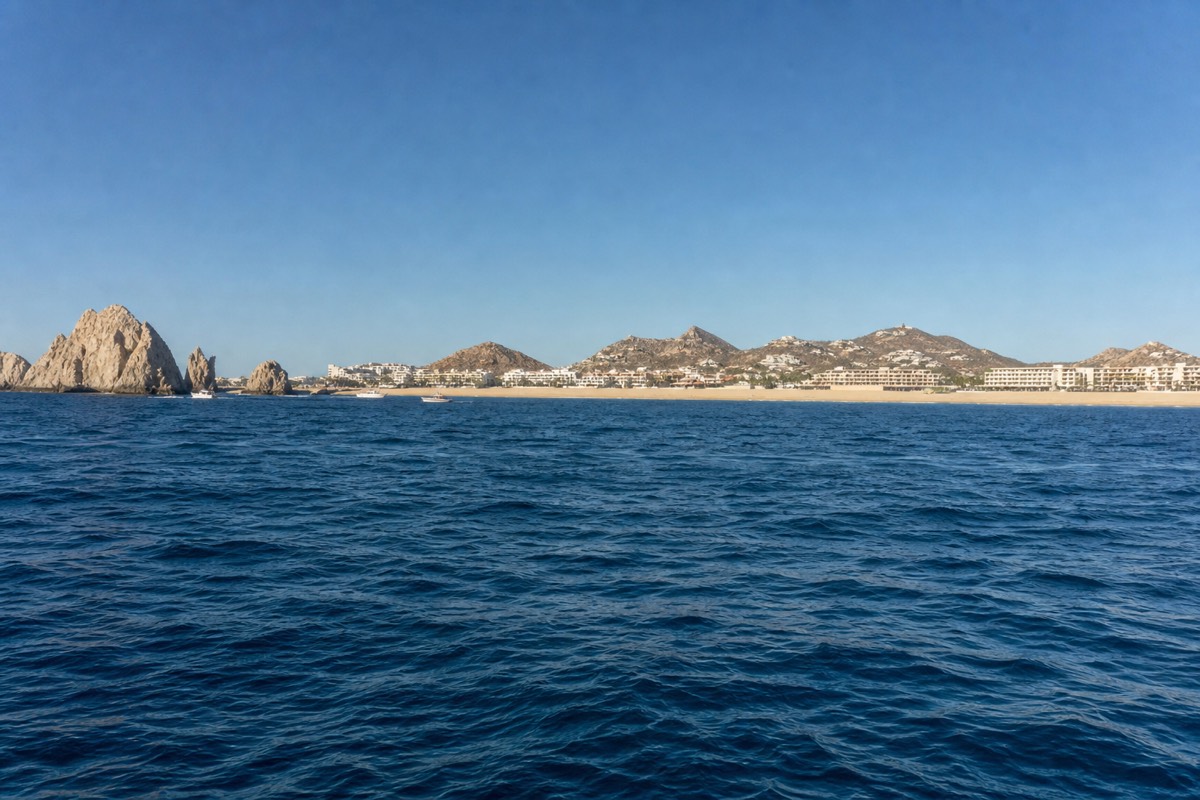
In practice this produces better viewing, not worse. A boat holding still is a predictable object, and curious humpbacks routinely close the gap themselves, which is how the encounters people describe afterward actually happen. A boat that chases gets a diving whale and a wake.
The guiding makes a real difference here, and the shared departures Cabo Whale Tours lists include several small-group trips led by a marine biologist. A guide reading surface behavior can tell you a whale is about to breach a second or two before it does, name what a pectoral slap or a spy-hop means, and drop a hydrophone so you hear the males singing. That last part is the one people talk about on the drive back.
Group size and vessel layout shape the experience. The verified small-group trip caps at 12; the verified private charter lasts three hours and includes snorkel equipment, but its assigned vessel, live price, access, and itinerary must be confirmed.