What Age Is Good For Whale Watching With Kids In Cabo?
Most Cabo whale watching boats work for children from around four or five, but the boat type and the departure time matter more than the birthday. Here is how to read a listing, prepare for motion sickness, and pick a trip that holds attention for two hours.
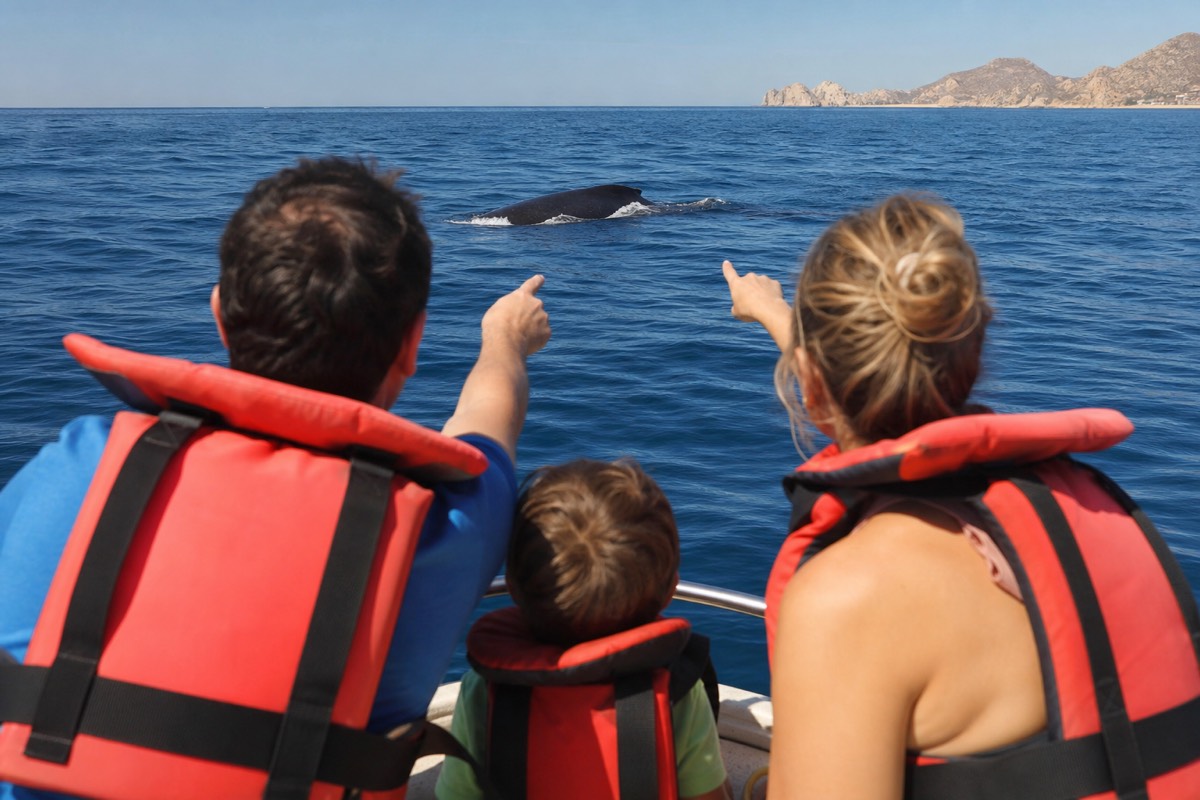
Once you have the child’s needs in mind, compare a short catamaran and a small-group guided boat by what is actually verified. Child eligibility still comes from the operator for the exact departure. Compare The Cabo Tour Options Below →
The boat format, duration and verified inclusions matter more than a universal “best age.” The small-group trip lasts 2.5 hours with a restroom, guide and photos; the catamaran spends two hours on the water with a light meal and arranged hotel transfer.
What Age Is Good For Whale Watching With Kids In Cabo?
There is no universal starting age. Check the chosen listing's minimum age and ask the operator about the exact vessel, life jackets, seating, weather policy, and your child's needs before paying.
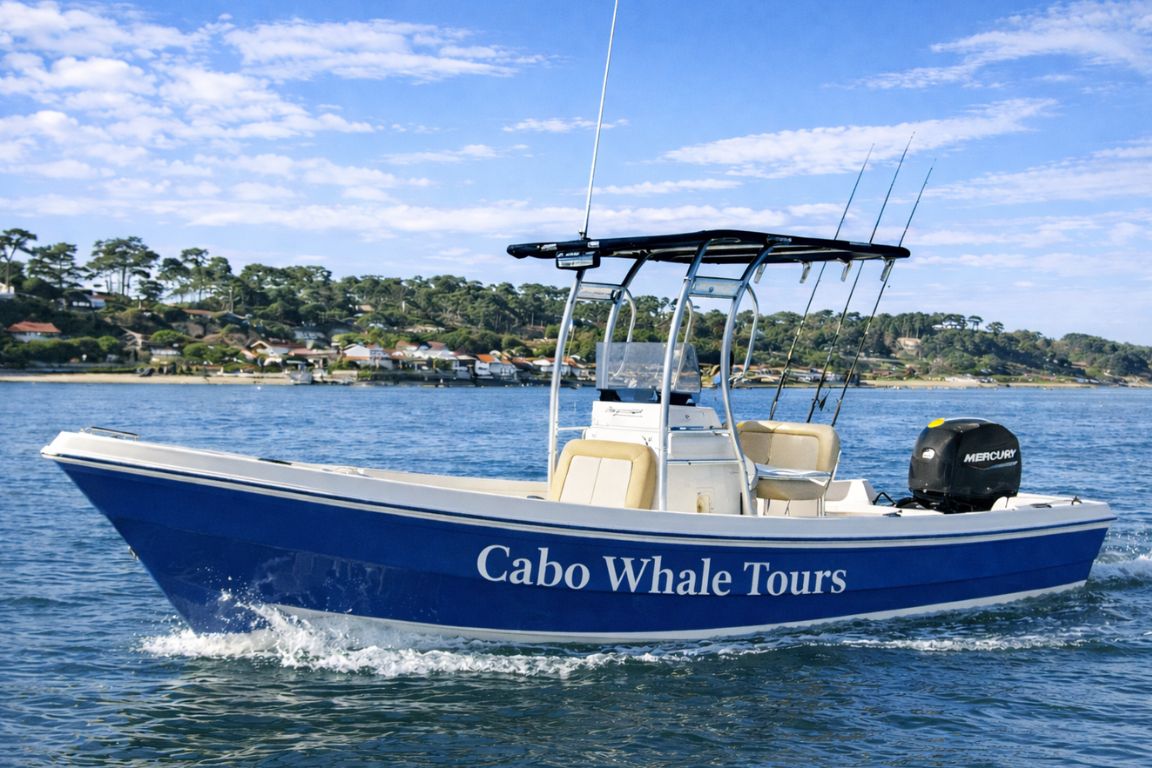
The number itself is less useful than what sits behind it. A four-year-old on a wide, stable catamaran with shaded seating and a rail at chest height is having a very different morning to a four-year-old bouncing in a rigid inflatable. Operators set their minimums around hull type and sea conditions, not around some universal readiness age, which is why the same child can be welcome on one two-hour trip and turned away from another.
The verified biologist-led trip allows infants to sit on an adult’s lap, but suitability still depends on the child, conditions, and the operator’s current rules. Confirm age, life-jacket, seating, and stroller policies before booking. Other featured boats require the operator to confirm child eligibility.
Which Boat Type Suits Which Age?
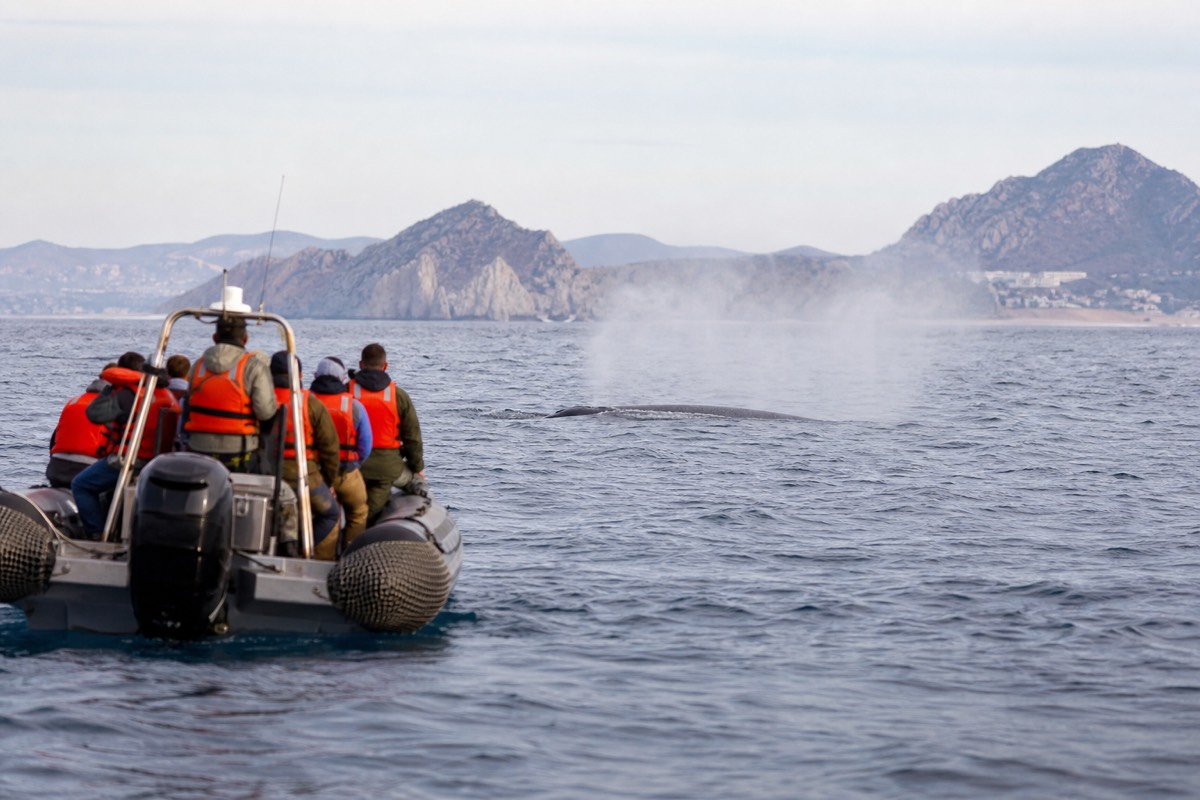
Boat type changes space and motion, but a hull label does not confirm stability, shade, rail design, child eligibility, or accessibility. Compare the actual vessel and ask the operator which seating and life-jacket arrangements apply to your family.
| Product | Verified family-relevant facts | Before booking a child |
|---|---|---|
| Biologist small group | Max 12, restroom, guide, photos, conditional hydrophone; infants may sit on an adult’s lap | Confirm life-jacket, seating, stroller and supervision rules |
| Catamaran | 2 hours on water, light meal, arranged hotel transfer | Child age and boarding rules are not verified; ask the operator |
| Private charter | Private 3-hour fleet, food, drinks, snorkel gear, paddleboard | Confirm youngest age, assigned vessel, capacity, layout and access |
Prices move, so treat these as the shape of the market and check the live listing for the current figure. The one line to hunt for is the minimum age, which sits in the listing's participant requirements rather than the headline description. Our comparison of Cabo whale watching tours by boat type goes deeper on what each format actually delivers.
Why Do Morning Departures Work Better For Families?
Morning conditions can be calmer, but wind, sea state, wildlife activity, and fares vary by date and departure. Ask the operator which time best fits a child and check the forecast and live price.

Motion is the single biggest variable in whether a family trip goes well, and morning is when you have the most control over it. A sunrise departure takes this to its logical end: glass-calm water, almost nobody else on the marina, and a two-hour window that finishes before the day gets hot. For a five-year-old prone to queasiness, that is the difference between a story they retell and a morning everyone would rather forget.
For a fixed morning or a school-holiday week, check live availability once your dates are firm. Availability changes by product and date, so use the listing rather than a fixed booking lead time.
How Do You Stop Seasickness Ruining It?
If a child is prone to motion sickness, ask a pediatric clinician or pharmacist about suitable options before travel and follow their instructions. A light meal, fresh air, and looking toward the horizon may help with comfort; do not assume the boat carries a suitable medicine.
Ask a pediatric clinician or pharmacist whether any motion-sickness option is suitable for the child and follow their instructions. Do not assume a nonprescription or “natural” product is appropriate.
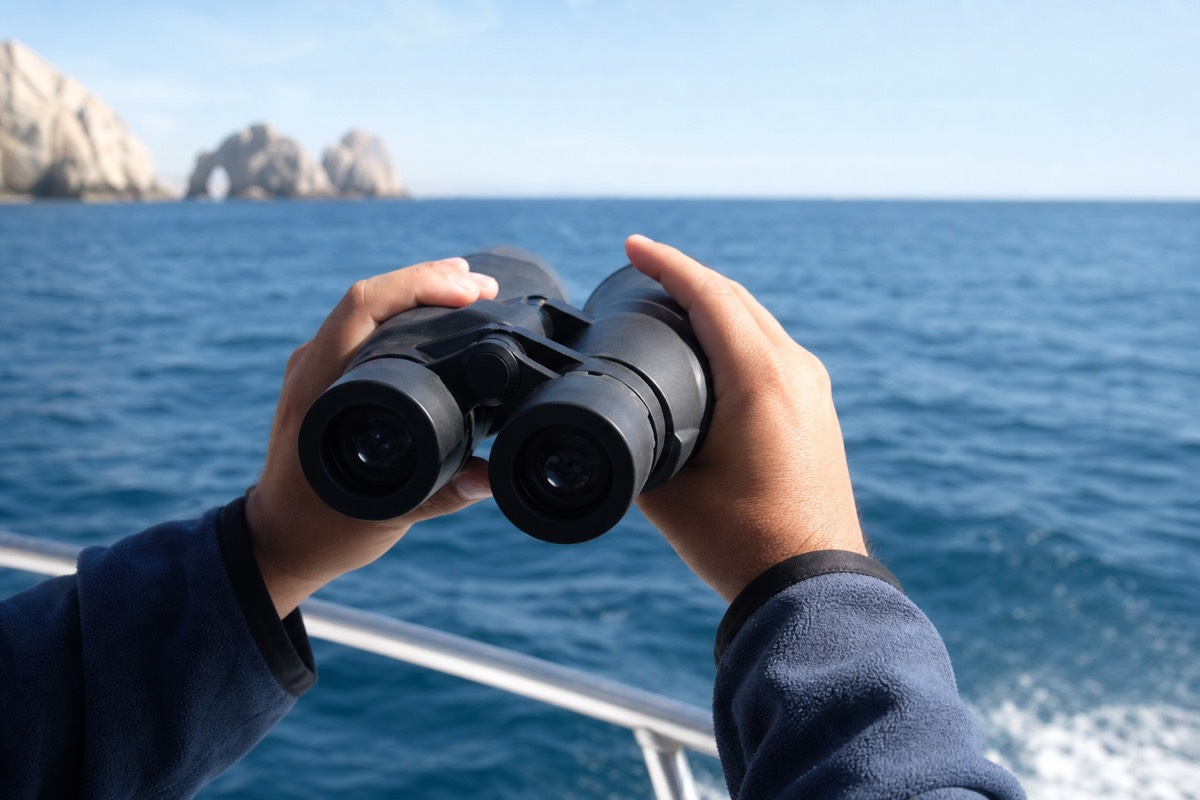
Boat position and looking toward the horizon may affect comfort, but no seat or departure guarantees a symptom-free trip. Ask the operator about the assigned vessel and a clinician about individual medical concerns.
How Do You Hold A Child's Attention For Two Hours?
Feed them, give them a job, and pick a boat with sound. Breakfast-included departures put food in the middle of the trip where the energy dip lands. Hydrophones let children hear humpback song through the speakers. Photo-included trips mean nobody is fighting over a camera, and a biologist naming behaviors turns waiting into looking.
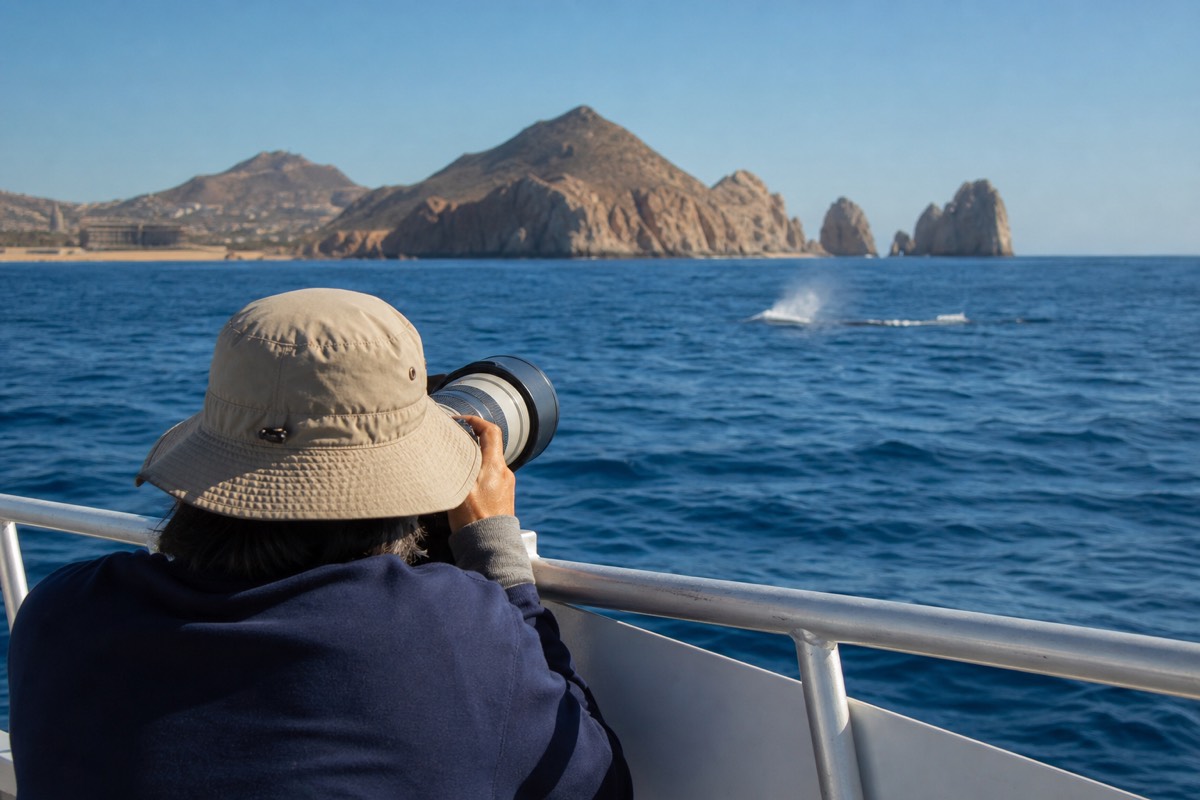
Look for verified features that help occupy children. The biologist-led trip includes a guide and, when conditions permit, a hydrophone; the catamaran includes a light meal. Other activities should be confirmed on the live listing.
Meeting and transfer arrangements are product-specific. The biologist-led trip meets at Plaza Bonita; the verified catamaran includes hotel pickup and drop-off when arranged 48 hours ahead. Confirm child eligibility and the exact pickup or meeting instructions before paying.
What To Check On The Listing Before You Book
Check the minimum age, life-jacket and seating policy, meeting or pickup arrangement, and what is included. Sightings and second-trip terms are not guaranteed unless the live listing states them, so read the current cancellation and wildlife policy before booking.
Ask the operator to confirm the exact flotation-equipment sizes, child seating rules, and supervision requirements for your group before paying.
Bring a change of clothes for anyone under about eight, because spray on the bow is part of the fun and a wet child on the ride back is not. Our what to wear and bring on a Cabo whale tour guide has the full packing list, and if you are still weighing whether the trip earns its place in the holiday, the case for and against sits in whether whale watching in Cabo is worth it.