Can You See Orcas In Cabo San Lucas?
Orcas do pass through the water off Cabo San Lucas, but they arrive as a surprise rather than on a schedule. Here is what that means for planning, what the winter season reliably delivers instead, and how an orca sighting actually happens.
Treat orcas as an unexpected sighting and choose a paid trip only for the species and experience it actually targets. Compare The Cabo Tour Options Below →
No verified Cabo product targets orcas. January through March is the strongest match for a humpback trip; the separate whale shark snorkel is an in-water La Paz experience, not an orca substitute.
Can You See Orcas In Cabo San Lucas?
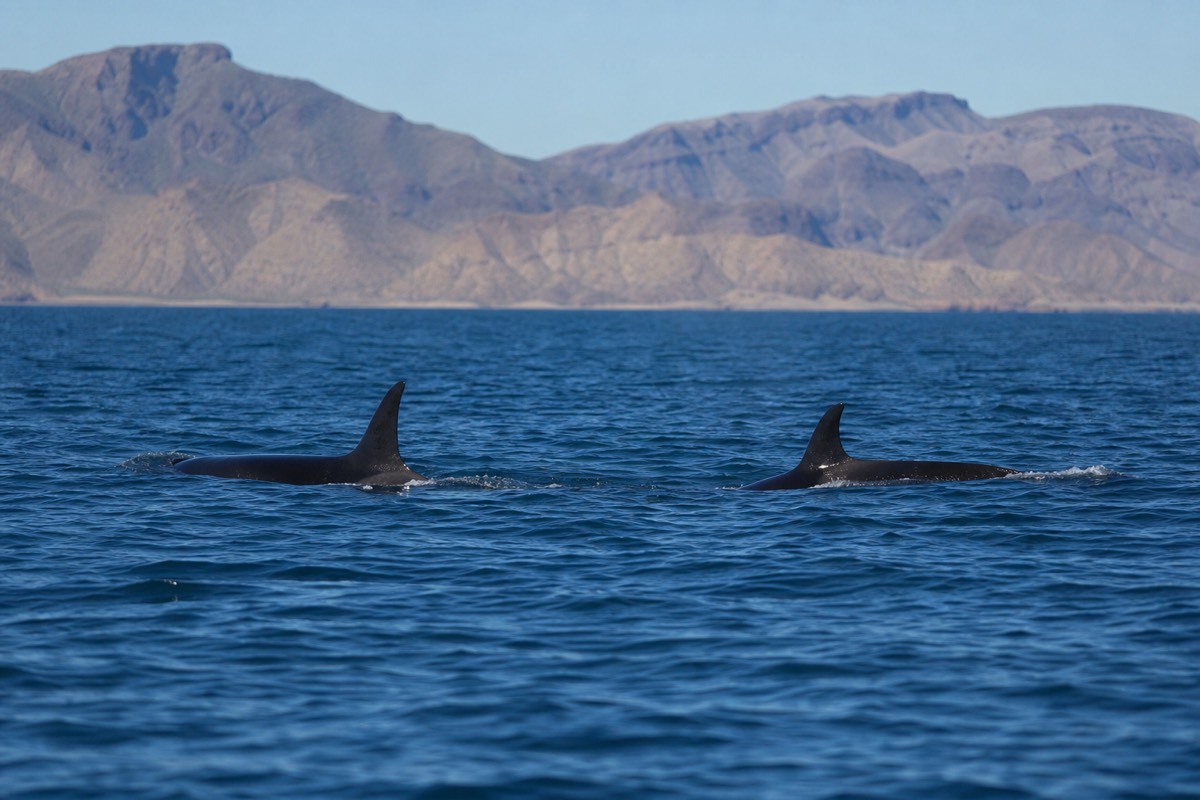
Yes, but rarely and unpredictably. Orcas move through the Sea of Cortez year round in small travelling groups, with no season, no reliable location and no operator selling a trip that targets them. When people see them off Cabo, it is almost always as a surprise during a regular whale watching departure.
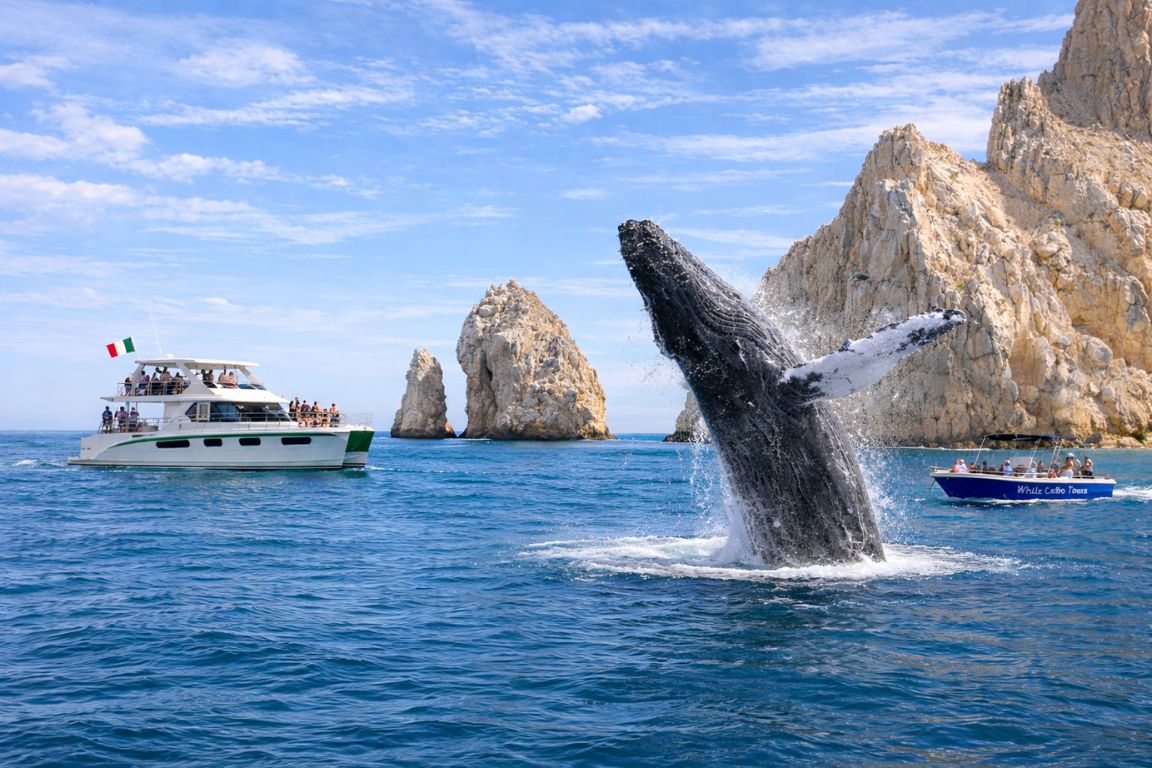
That answer disappoints some visitors and it should. Every other headline animal in Baja comes with a calendar attached. Humpbacks and gray whales run to a migration timetable, whale sharks fill the Bay of La Paz for a season, sea lions sit on the same rocks at Land's End all year. Orcas do none of that here.
They are wide ranging predators covering long distances, which is exactly why nobody can put them on a booking page. A boat cannot promise what it cannot predict.
Why Orca Sightings Cannot Be Planned
The winter whales in Cabo are here for a reason that repeats every year: they migrate south to breed and calve in warm water between December 15 and April 15. Orcas are not on that clock. They follow prey rather than a breeding ground, so they turn up in a patch of water when the hunting brings them there.
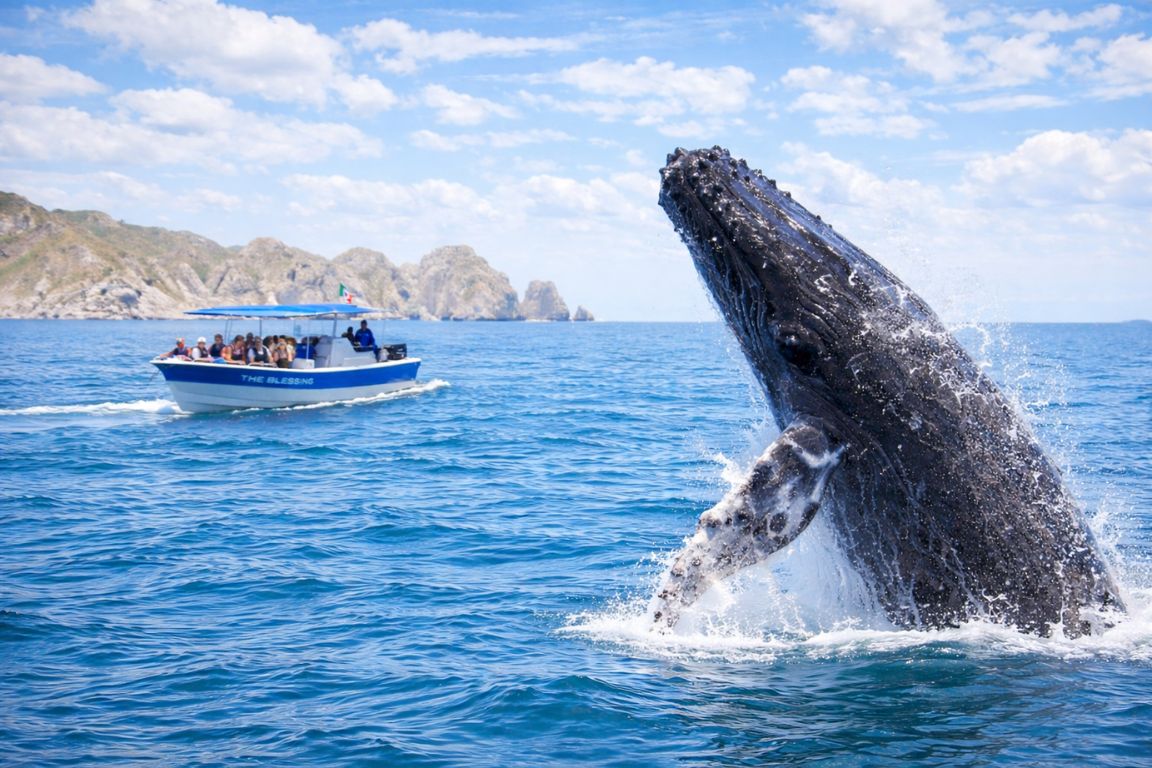
This is why no listing in Cabo advertises orcas, and why any that did would be selling something it cannot deliver. Operators here describe them honestly as an occasional sighting alongside Bryde's whales, both possible year round and neither dependable.
It also explains the pattern behind most orca stories from Cabo. The group was already out on a two hour humpback trip, the captain spotted tall dorsal fins in the distance, and the boat spent part of its remaining time watching them at a legal distance. Nobody booked that morning because of orcas.
What Can You Actually Count On In Cabo?
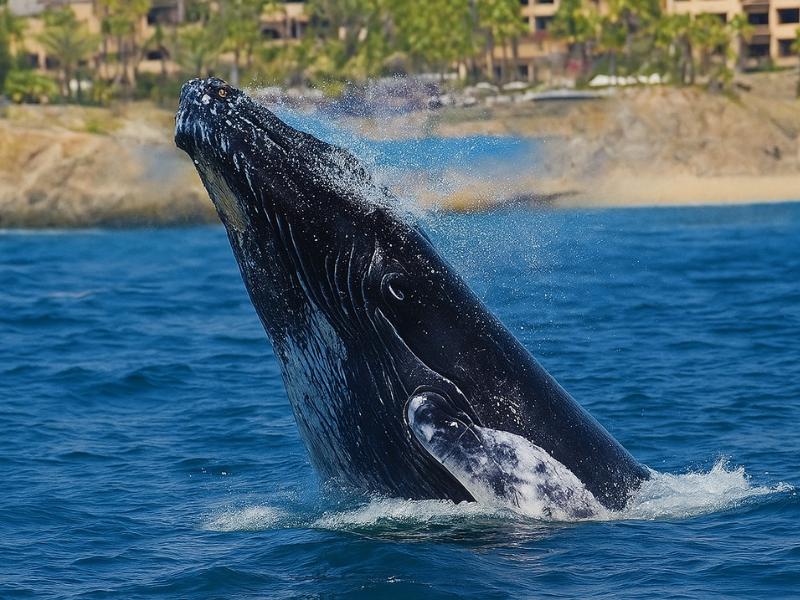
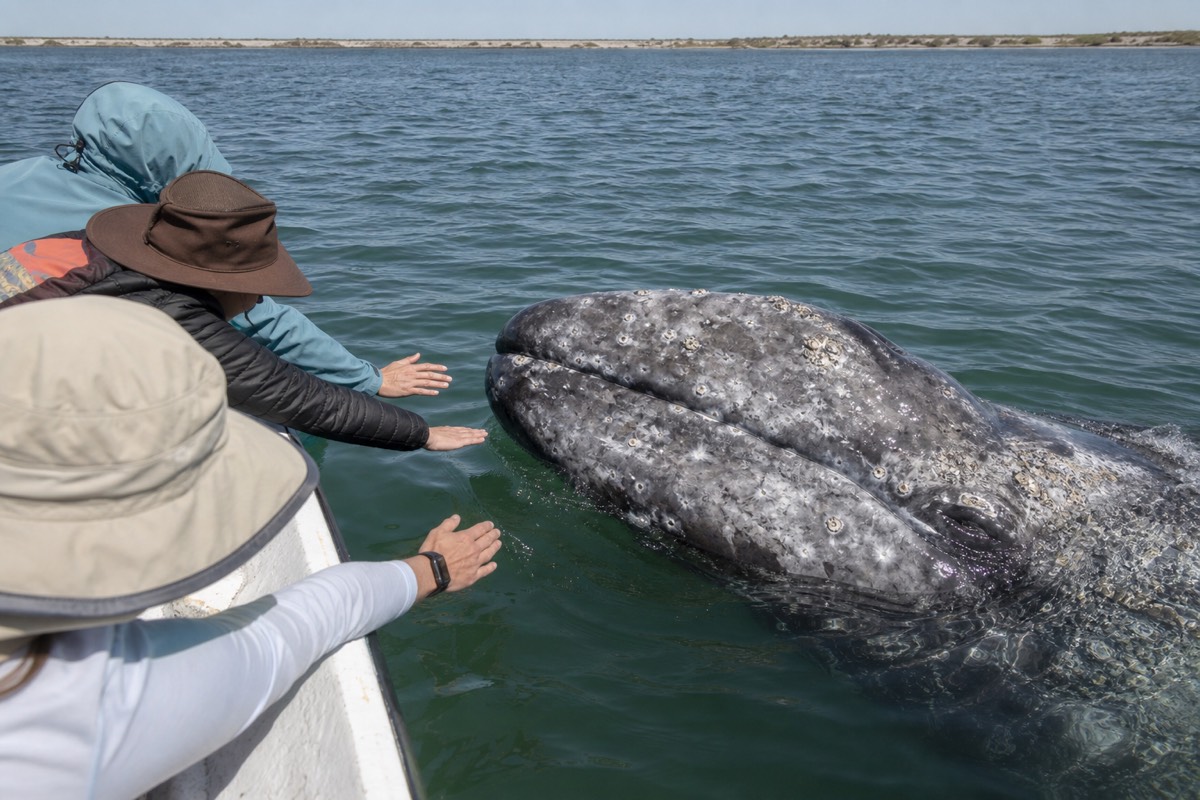
Humpbacks and gray whales through the regulated December 15 to April 15 season, with operators reporting sighting rates above 95% at the January and February peak. Dolphins and the Land's End sea lion colony show up across the year. Bryde's whales and orcas remain the occasional bonus, never the plan.
| Species | When | How dependable |
|---|---|---|
| Humpback whale | Dec 15 to Apr 15, peak Jan to Feb | High in peak months, with operators reporting sighting rates above 95% |
| Gray whale | Dec to Apr, best on Pacific side full day trips | Good in season, strongest on the dedicated all day trip |
| Dolphins | Year round | Common, often alongside the whale boats |
| Sea lions | Year round, on the rocks at Land's End | Reliable, on the route of nearly every departure |
| Bryde's whale | Occasional, year round | Bonus sighting, not a reason to book |
| Orca | Occasional, year round, no season | Rare and unpredictable. Never guaranteed by any operator |
Read that table as a purchase decision rather than a wildlife list. The top two rows are what your ticket buys between mid December and mid April. The bottom two are what the ocean occasionally throws in. If you want more on the animals people most often confuse, the notes on whales versus dolphins sort out which sightings are which.
Which Trips Give An Orca The Most Chance To Appear?
More time on the water does not create a dependable orca strategy. Choose a shared or private trip for its verified whale-focused experience, inclusions and group format, and treat any orca as an unplanned encounter.
| Trip | Around | Hours on the water |
|---|---|---|
| Cabo San Lucas: Small Group Whale Watching with Biologist | Check live listing | About 2 |
| Biologist-Led Cabo Whale Watching Tour with Free Pics | Check live listing | About 2 |
| Los Cabos Private Yacht: Whale Watching & Drinks | Check live listing | About 3 |
| Gray Whale Watching: Full-Day Tour | Check live listing | About 9, La Paz to Puerto Chale |
A biologist-led trip can add interpretation if an unusual animal appears, but it does not increase the chance that an orca is present. Book the product for its verified whale-focused format.
What Happens If Orcas Do Show Up?
The boat holds the regulated distance and lets the group pass on its own terms. Mexican rules govern how any licensed vessel approaches marine mammals, permits are carried on board, and swimming with whales is not permitted on Cabo tours. You watch from the deck, the biologist explains what the group is doing, and the cameras come out.
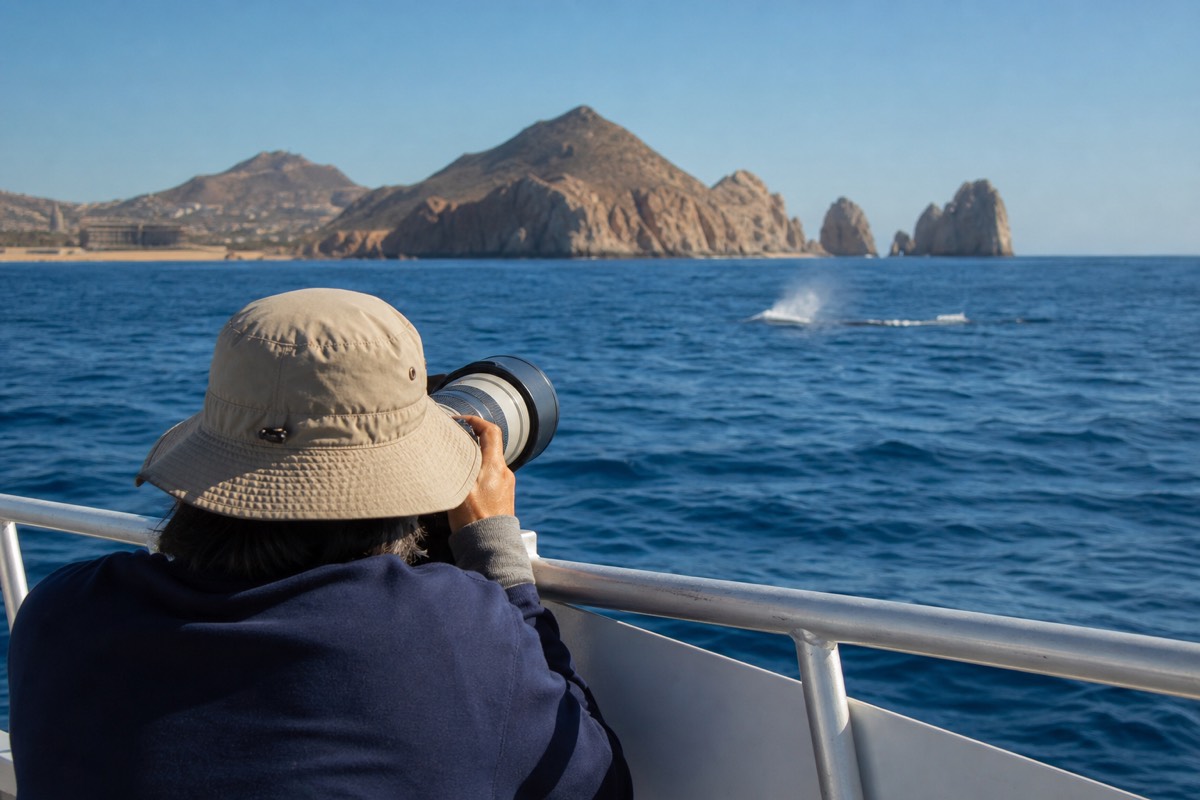
Telling them apart at distance is easier than people expect. Orcas carry a tall, straight dorsal fin and a hard black and white pattern that reads clearly even across open water, while dolphins show a smaller curved fin and travel in far larger, busier groups. A humpback gives you a blow first and a back second. If a guide says orca, the shape has already answered the question.
Sightings tend to be brief. Travelling orcas move purposefully, so the encounter is usually a series of surfacings across open water rather than the slow, close behaviour a resting humpback offers. That is worth knowing in advance so the moment does not feel like a near miss.
The best mindset is the one every experienced crew already carries: book the season for what the season reliably has, and treat everything else as the ocean deciding to show off. Responsible whale watching means letting the animals set the terms, which is also the reason the rare sightings stay rare and stay wild.
Should You Book A Trip Hoping For Orcas?
No. Book for humpbacks and gray whales inside the December 15 to April 15 window, choose a January to March morning if the dates are flexible, and let an orca be the story you did not expect. Anyone travelling specifically for killer whales should look at destinations built around resident populations.
Practically, that means the same advice as any winter trip here. Morning departures get the calmest water and the most active whales, small boats give better angles, and February and March want 6 to 8 weeks of booking lead time because of Presidents Day and Spring Break crowds.
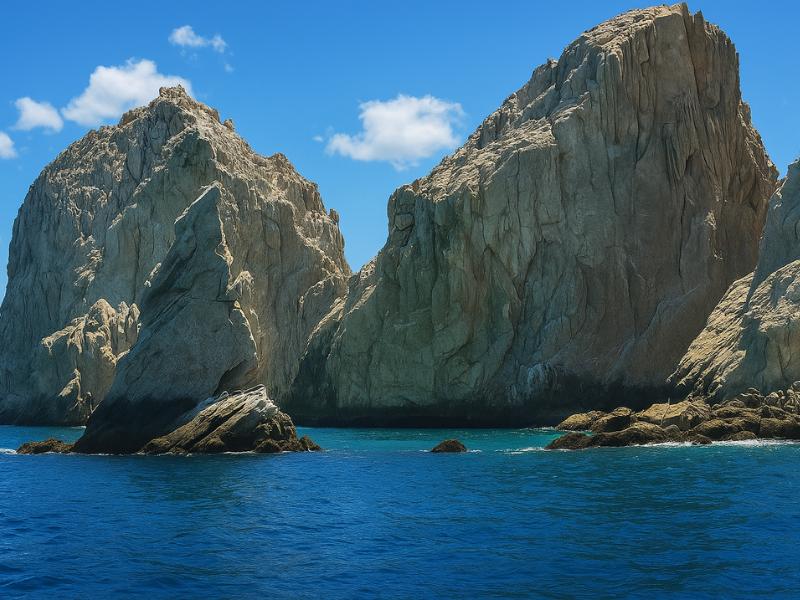
The shared morning departures Cabo Whale Tours lists sail from the main marina into the water off Land's End, which is where any surprise sighting would happen anyway. If you are still choosing dates, the best months to see whales in Cabo lays out what each part of the season delivers, and the deeper background on humpback behaviour in Cabo covers the species you actually came to see.